Whether you run a restyling shop, distribute to regional installers, or operate an online storefront, buying paint protection film (PPF) at scale demands technical due diligence and operational discipline. This guide breaks down what to check—chemistry, construction, testing, warranties, logistics—and how to negotiate volume tiers for dependable margins.
What counts as premium PPF in wholesale?
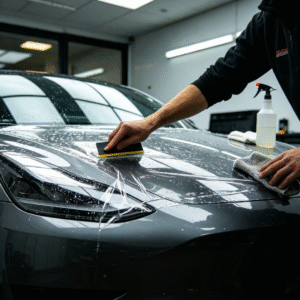
Most modern premium PPF is an aliphatic TPU (thermoplastic polyurethane) base with an optically clear, elastomeric topcoat that “self-heals” light swirls under heat. Typical thickness lands around 6–8 mil (≈150–200 µm), balancing impact resistance with conformability for complex panels. When assessing ppf wholesale options, verify resin type (aliphatic vs. aromatic), topcoat chemistry, and adhesive system (low-energy surfaces, repositionability, and liner release consistency).
Remember: premium construction reduces install time (less stretching fight, better tack/flow) and lowers warranty claims (less edge-lift, less orange peel, better gloss retention).
Key technical specs that affect install time and customer satisfaction
Construction & performance
| Spec | What to ask | Why it matters |
|---|---|---|
| Base film | Aliphatic TPU? Optical clarity (haze), yellowing resistance data | Aliphatic TPU keeps clarity and resists UV yellowing better long-term. |
| Topcoat | Self-healing at what temp (sunlight/hot water)? Stain resistance | Elastic recovery hides light marring; durable topcoats resist bug acids and solvents. |
| Thickness | 6–8 mil standard; any 10 mil offerings for high-impact areas? | Thicker films improve chip resistance but can be stiffer to install. |
| Adhesive | Crystal-clear acrylic PSA; initial tack & slip balance; cold-weather behavior | A predictable PSA speeds installs and reduces edge-lift callbacks. |
| Finish options | Gloss, satin/matte, black, color-tinted | Lets you offer protection plus styling upsells. |
Installer experience
- Stretch & conformability: Will it one-piece a Model 3 bumper without “fingers”?
- Slip vs. tack window: Compatible with common slip soaps and tack solutions.
- Liner handling: Anti-static liners reduce dust; easy peel saves minutes per panel.
- Cutting options: Plotter patterns vs. bulk install flexibility.
Tip: Stock a baseline clear ppf wrap for daily drivers, add matte/“stealth” for color-preserving restyles, and keep black/color SKUs for headlight accents and partial wraps.
Industry tests & standards worth knowing
Reputable brands validate chip resistance via multi-impact stone-chipping (ISO 20567-1), and check abrasion via Taber abrasion (ASTM D4060). You’ll also see optical clarity/haze, tensile/elongation, and environmental weathering (UV/condensation) data in technical sheets. Ask for recent reports and the exact methods used so you can compare apples to apples.
- ISO 20567-1 multi-impact stone-chip resistance (grit blasted at set angles/pressures).
- ASTM D4060 abrasion (Taber), useful for topcoat wear comparisons.
- OEM-style weathering (UV/condensation cycles) and chemical-stain spot tests (bug acids, fuels).
Cross-reference data sheets from recognized brands to benchmark clarity, elongation, and warranty terms.
Building your wholesale assortment: clear, matte, and colored PPF
At minimum, carry a high-gloss clear line for mainstream protection, a matte/satin “stealth” variant for full-body wraps over dark paint, and a small portfolio of color-tinted/black PPF for styling. This mix covers 90% of retail demand and simplifies inventory planning for distributors and multi-bay shops.
Clear & matte backbone
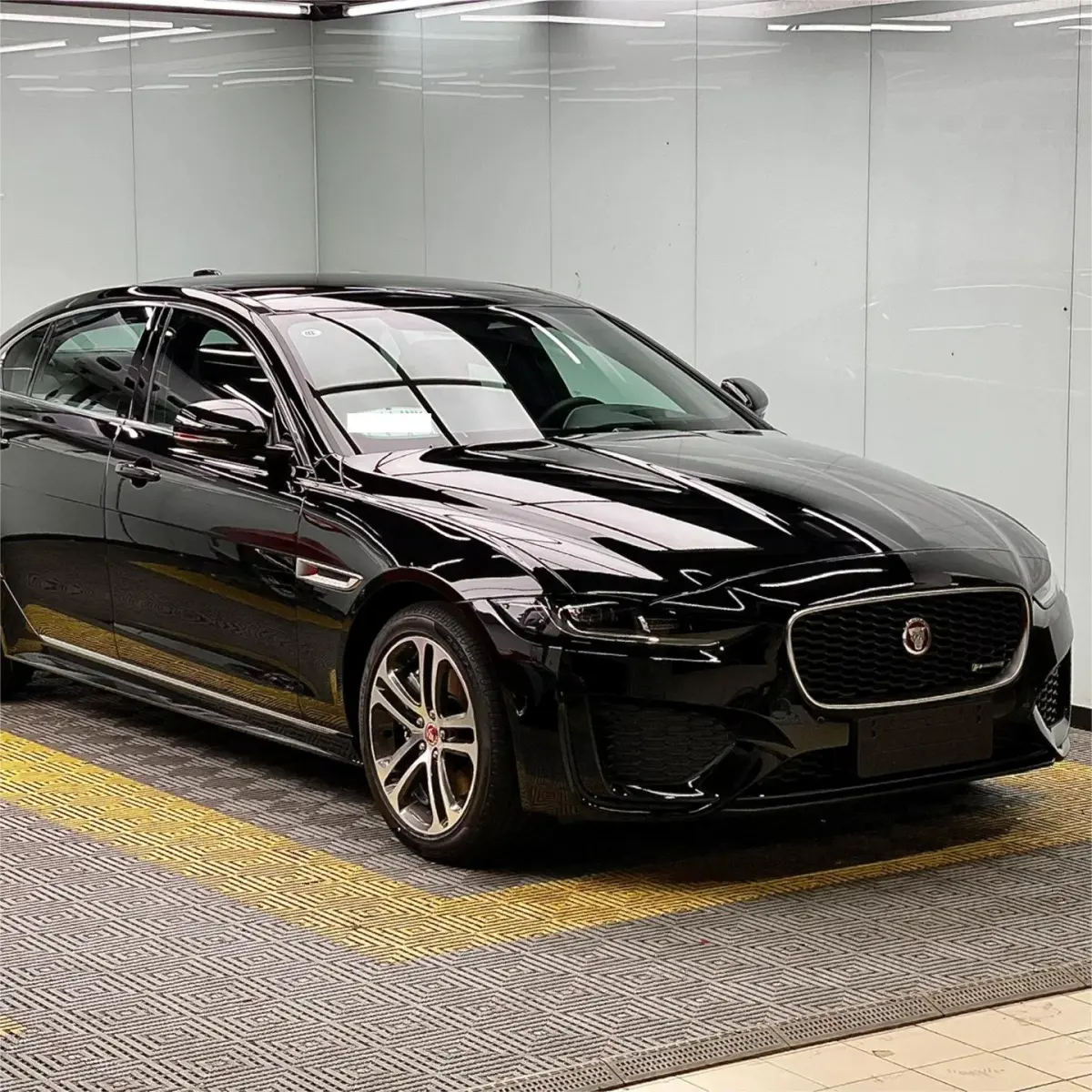
Stock 60″ master rolls for bumpers/hoods and 30″/36″ for rockers and pillars. Keep a few 10 mil rolls for track customers. See clear ppf wrap options for mainstream, transparent protection, and explore matte finishes to create that OEM “frozen” look.
Color & black upsells
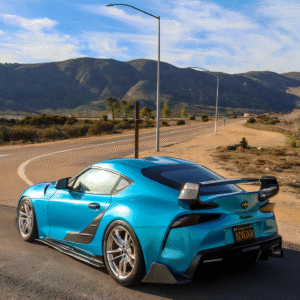
Offer color-tinted or black PPF to merge protection with aesthetics—ideal for roofs, mirrors, and accents. For material foundations, review colored ppf based on TPU platforms that maintain impact resistance while adding style.
Not every customer needs a full-body kit. Pre-cut partial kits for high-impact zones (front clip, rockers, luggage ledge) increase attach rates and preserve margins.
Broaden your funnel by educating shoppers with comparison content between PPF and vinyl wrap for purely cosmetic changes—then cross-sell PPF for impact protection.
Pricing ladders, MOQs, and freight math
Wholesale tiers typically unlock at 4–6 rolls, with deeper breaks at 10–20. Ask vendors for a lane-based freight quote (ground vs. expedited) and confirm roll yield per vehicle type to forecast gross margin:
| Input | Example | Notes |
|---|---|---|
| Roll size | 60″ × 50 ft | Enough for a front clip + rockers on 3–4 sedans, depending on patterns. |
| Unit cost (tiered) | $XXX @ 4+ rolls; $XX @ 10+; $X @ 20+ | Negotiate 30-day reprice protection during promos. |
| Install labor | Front clip 4–6 hours | Conformable film reduces time; factor bay rate to set out-the-door price. |
| Waste factor | 8–15% | Higher on complex bumpers or when bulk-cutting vs. plotted kits. |
| Freight | $ per pound (zone-based) | Check core/box dimensions; consider residential surcharges if drop-shipping. |
Pro move: lock a quarterly allocation with your supplier at a blended cost, then run “front-clip weeks” to smooth bay utilization and inventory turns.
Warranty, support, and installer enablement
- Warranty window: Clarify coverage for yellowing, cracking, bubbling, and topcoat failure; what documentation/photos are required?
- Turnaround on claims: Is replacement film shipped before or after inspection? Who pays labor?
- Tech resources: TDS/SDS, cleaning & maintenance guides, slip/tack solution recipes, and film-specific install tips.
- Marketing assets: Lifestyle photos, after-care cards, and POS kits to accelerate attachment rates.
Inbound QC and storage checklist
- Verify lot numbers, production dates, and recommended storage (often ~22 °C / 50% RH).
- Open one roll per lot: check liner clarity, adhesive flow on a test panel, and optical haze under bright light.
- Perform a quick abrasion rub and hot-water self-heal demo to compare lots.
- Store vertically on proper cores; avoid heat sources and direct sunlight in the warehouse.
Step-by-step sourcing workflow (save this)
- Define your mix: Clear gloss (6–8 mil) as the backbone, matte “stealth,” plus a curated selection of colored ppf.
- Request documentation: TDS with thickness, elongation, and clarity; summaries of ISO 20567-1 and Taber abrasion results; sample warranty terms.
- Run pilot installs: 2–3 vehicles of different panel complexity; track slip/tack behavior, edge-seal performance, and rework minutes.
- Model your costs: Build a tiered price sheet that bakes in freight, waste, and bay-rate labor.
- Set MOQs & cadence: Lock quarterly roll counts, aiming for volume breaks at 10+ and 20+ rolls.
- Train & market: Document SOPs, film-specific tips, and offer after-care to raise referral rates.
- Review quarterly: Compare warranty claims, install time deltas, and customer NPS across film lines.
Ready to explore materials? Start with the ppf wholesale range for balanced clarity, durability, and installer-friendly handling, then choose the right clear ppf wrap SKUs to anchor your lineup—and use color variants to create profitable styling bundles alongside vinyl wrap jobs.
Wholesale PPF FAQ
Is 10 mil worth it?
Thicker films can improve chip resistance on track cars and trucks but may increase install difficulty and cost. Keep a small stock for specialty jobs while standardizing on 6–8 mil for daily drivers.
How do I compare clarity?
Request haze/clarity numbers (lower haze is better) and inspect a hood under bright LED light. Compare to a known reference panel to spot micro-distortion or orange peel.
What’s the easiest way to boost PPF attach rate?
Bundle a discounted rocker/door-edge kit with full details, include after-care cards, and demo self-healing with a heat gun at the counter—seeing is believing.