
If your goal is maximum protection against chips, scratches, and UV while keeping a factory-fresh finish, a ppf car wrap (paint protection film) performs very differently from a cosmetic vinyl wrap. This guide breaks down construction, thickness, impact resistance, self-healing, finish choices (including colored ppf and matte ppf), costs, and upkeep so you can choose confidently.
What is PPF and how is it built?
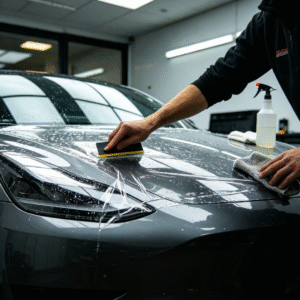
Paint Protection Film (PPF) is a thick, transparent or tinted thermoplastic polyurethane (TPU) film designed primarily for impact and abrasion resistance. Premium PPF typically comprises three functional layers: a clear-coat (often elastomeric and self-healing under heat), a TPU base for impact absorption, and a pressure-sensitive adhesive engineered to remove cleanly. Thickness commonly ranges around ~6–8 mil (150–200 μm), which is several times thicker than most cosmetic vinyl films. This thickness, combined with an elastomeric topcoat, is what gives PPF its signature chip resistance and swirl-mark self-healing properties.
What is vinyl wrap and how is it different?
Vinyl wrap is a PVC-based film optimized for appearance and restyling. It comes in hundreds of colors and textures (gloss, matte, satin, metallic, chrome-like, color-shift, brushed, carbon fiber patterns, etc.). At roughly ~3–4 mil (75–100 μm), vinyl is lighter and more conformable for complex curves and full color changes, but it does not absorb rock chips the way PPF does. Vinyl protects primarily against light scuffs and UV on the paint beneath while transforming the look of the vehicle at a lower cost than repainting.
PPF vs. Vinyl: Side-by-Side Comparison
| Category | PPF (Paint Protection Film) | Vinyl Wrap |
|---|---|---|
| Primary Purpose | Impact & abrasion protection; preserves OEM paint | Cosmetic restyling; color/finish changes |
| Typical Thickness | ~6–8 mil (thicker, more protective) | ~3–4 mil (thinner, more conformable) |
| Self-Healing | Yes (with heat/sun), top-coat recovers fine swirls | No; surface maring doesn’t “heal” |
| Chip/Scratch Defense | High (absorbs small debris impacts) | Low–moderate (primarily cosmetic barrier) |
| Clarity/Optics | Optically clear or lightly tinted | Opaque colors, effects, textures |
| Finish Options | Gloss clear, matte ppf, satin clear, colored ppf | Extensive (gloss/matte/satin/metallic/chrome/carbon, etc.) |
| Typical Use | Daily drivers, performance cars, off-road, long-term keepers | Show builds, fleets, branding, frequent style refresh |
| Cost | Higher (material & install time) | Lower to moderate |
| Longevity | Longer (with care; UV-resistant topcoat) | Good, but more sensitive to scratches and harsh washing |
Finishes & Aesthetics: Gloss, Matte, Satin & Color
PPF finish choices
- Gloss Clear: Invisible protection to keep a showroom shine.
- Matte/Satin Clear: Converts glossy paint into a refined matte look without repainting—see matte ppf.
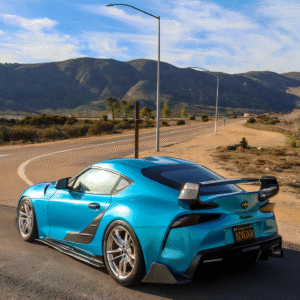
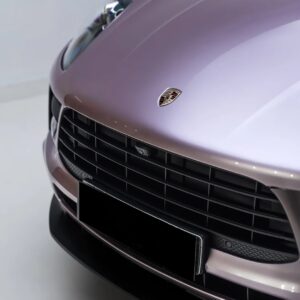
- Colored & Styled PPF: Emerging TPU films blend color with protection for one-step restyling—browse colored ppf.
Vinyl finish choices
Vinyl is unmatched for creative finishes: candy glosses, stealth matte, brushed metal, forged carbon looks, chameleon color-shifts, pearlescents, and brand liveries. If your priority is a specific aesthetic, vinyl’s palette is both broad and budget-friendly.
Durability, Self-Healing & Weathering
The key protective edge of PPF is its elastomeric topcoat and thicker TPU core. Fine swirls and marring from washing can self-heal with engine-bay warmth, sun exposure, or mild heat. PPF also resists sandblasting on rocker panels and road rash in high-debris regions. Quality films incorporate UV inhibitors to reduce yellowing and maintain clarity over years.
Vinyl films are durable for daily use and resist UV fading well when quality brands and proper care are used. However, they do not self-heal and are more likely to show wash-induced micro-marring, especially on darker colors and high-gloss finishes. For windy, gravel-heavy roads or frequent highway driving, vinyl won’t replace PPF’s chip-defense role.
Costs, Coverage Strategies & Value
Because of material thickness and install time, full-body PPF typically costs more than full-color vinyl wraps. Many owners split the difference with a strategic approach:
- PPF high-impact zones: Front bumper, hood, fenders, mirrors, rocker panels, trunk sill.
- Vinyl restyle elsewhere: Use vinyl for color changes on lower-risk panels if you want a bolder look at a reasonable cost.
- Full PPF for long-term cars: If you intend to keep the car and preserve resale, full-body PPF offers the strongest protection.
- Matte or satin conversion: Instead of repainting, apply matte ppf to transform the finish while guarding against chips.
- One-step style + protection: Consider colored ppf if you want both color and impact resistance in a single film.
Tip: Start with a consultation focused on your driving conditions (climate, road debris, commute distance) and budget. For protection details and film specs, visit the ppf car wrap category.
Maintenance & Aftercare
PPF care
- Wait the recommended cure period before washing.
- Use pH-neutral shampoos; avoid harsh solvents.
- De-contaminate with gentle mitts; don’t clay aggressively.
- Warm sunlight or gentle heat can refresh minor swirls thanks to self-healing.
- Sealants or ceramic top-coats compatible with PPF can simplify washing.
Vinyl care
- Hand wash; avoid brush tunnels and high-pressure edges.
- Use vinyl-safe detail sprays to reduce streaking.
- Park under cover to minimize UV load on high-chroma colors.
- Inspect edges and seams periodically; address any lifting early.
Who should choose PPF vs. Vinyl?
Choose PPF if you:
- Drive highways or rough roads where chips are common.
- Own a new or collectible car and want to preserve OEM paint.
- Prefer a factory look with invisible protection (gloss clear).
- Want a matte look without repainting—use matte ppf.
- Want color + protection in one step—consider colored ppf.
Choose Vinyl if you:
- Prioritize restyling, branding, or frequent color changes.
- Need the broadest palette of textures and effects.
- Have a show build or marketing vehicle with artwork/livery.
- Want a lower-cost appearance upgrade versus repainting.
Quick FAQ
Is PPF worth it on older cars?
Yes—PPF prevents additional rock chips and oxidation on repainted or restored panels. If paint correction is needed, complete that first so the underlying finish is clean and defect-free before installation.
Can I put vinyl over PPF?
It’s possible when the PPF surface is clean and in good condition, but installers typically recommend deciding on a single system to simplify edges and future removal. If you do layer, discuss adhesive compatibility and removal sequencing with your installer.
Does PPF change the color of my car?
Clear PPF is optically transparent and maintains your paint color. If you want a finish change without repainting, opt for matte ppf, or explore colored ppf for restyling plus protection.
How long do these films last?
Longevity depends on climate, storage, wash methods, and film quality. High-quality PPF can last many years with proper care; vinyl also has a multi-year life but is more susceptible to surface marring and harsh washing.
The Bottom Line
If your number-one goal is protection, a ppf car wrap is the standout choice—thicker TPU construction, self-healing capability, and superior chip resistance. If your priority is style and frequent finish changes, a vinyl wrap offers unparalleled color and texture variety at a friendlier price point. You can also combine strategies: PPF for front-end and high-impact zones, vinyl for color elsewhere, or go all-in with colored ppf to get restyling and protection together—plus matte ppf when you want stealth with strength.