Discover how to choose the right satin black paint protection film (PPF) for a stealthy look and serious, long-term protection in 2025.
What is satin black PPF?
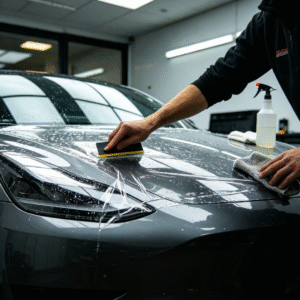
Satin black paint protection film (PPF) combines two things drivers want in 2025: a stealthy, muted black style and serious, TPU-based impact protection. Unlike a simple vinyl wrap, high-quality PPF is engineered as a multi-layer thermoplastic polyurethane (TPU) film with an adhesive layer and a self-healing topcoat. Typical premium PPF thickness ranges around 7.5–8.5 mil, with some heavy-duty options going up to 10 mil for more impact resistance.
The “satin” part refers to the finish: it sits between matte and gloss, giving a soft sheen that hides minor imperfections better than high-gloss finishes while still looking premium and modern. Studies comparing satin and gloss films show that satin tends to mask light dust, fingerprints, and small surface defects more effectively, while still providing strong UV and stain protection.
For daily-driven cars, SUVs, and performance builds alike, satin black PPF is a way to change the character of the vehicle without sacrificing the robust, self-healing, hydrophobic protection that modern PPF technology offers.
How to choose satin black PPF in 2025
Before we get into specific satin black PPF options and use cases, it helps to know what actually matters from a technical perspective. In 2025, high-end TPU PPF tends to share a few key traits:
- Material: Automotive-grade TPU (thermoplastic polyurethane) is the standard for premium PPF, delivering better elasticity, clarity and impact resistance than older PVC or TPH films.
- Thickness: Around 7.5–8.5 mil is a sweet spot for daily use – flexible enough to conform to complex panels but thick enough to absorb chips and road rash. Track-oriented films can reach 10 mil and above for more impact protection.:contentReference[oaicite:4]{index=4}
- Self-healing topcoat: Under heat from the sun or warm water, micro-swirls and light scratches “reflow” and disappear, keeping the satin surface looking smooth longer.
- Hydrophobic & stain resistance: A hydrophobic top layer beads water and helps shed dirt and road film, which is especially important on black finishes where water spots and mineral deposits can show quickly.
- UV & chemical resistance: Quality films are engineered to resist yellowing, chalking, and degradation from UV radiation and common chemicals.
- Warranty & durability: Many premium PPF manufacturers in 2025 quote durability in the 5–10 year range when properly installed and maintained.
When you’re comparing satin black PPF options, think about your use case (daily driver, weekend car, track car), the climate you drive in, and how much time you realistically want to spend on maintenance. That context will determine which of the 10 options below is the best fit.
10 satin black PPF options & use cases for 2025
Below are ten real-world ways enthusiasts and installers are using satin black PPF in 2025. Some focus on maximum protection; others target the most dramatic style change. You can mix and match these ideas depending on your vehicle and budget.
1. Full-body OEM “stealth” conversion
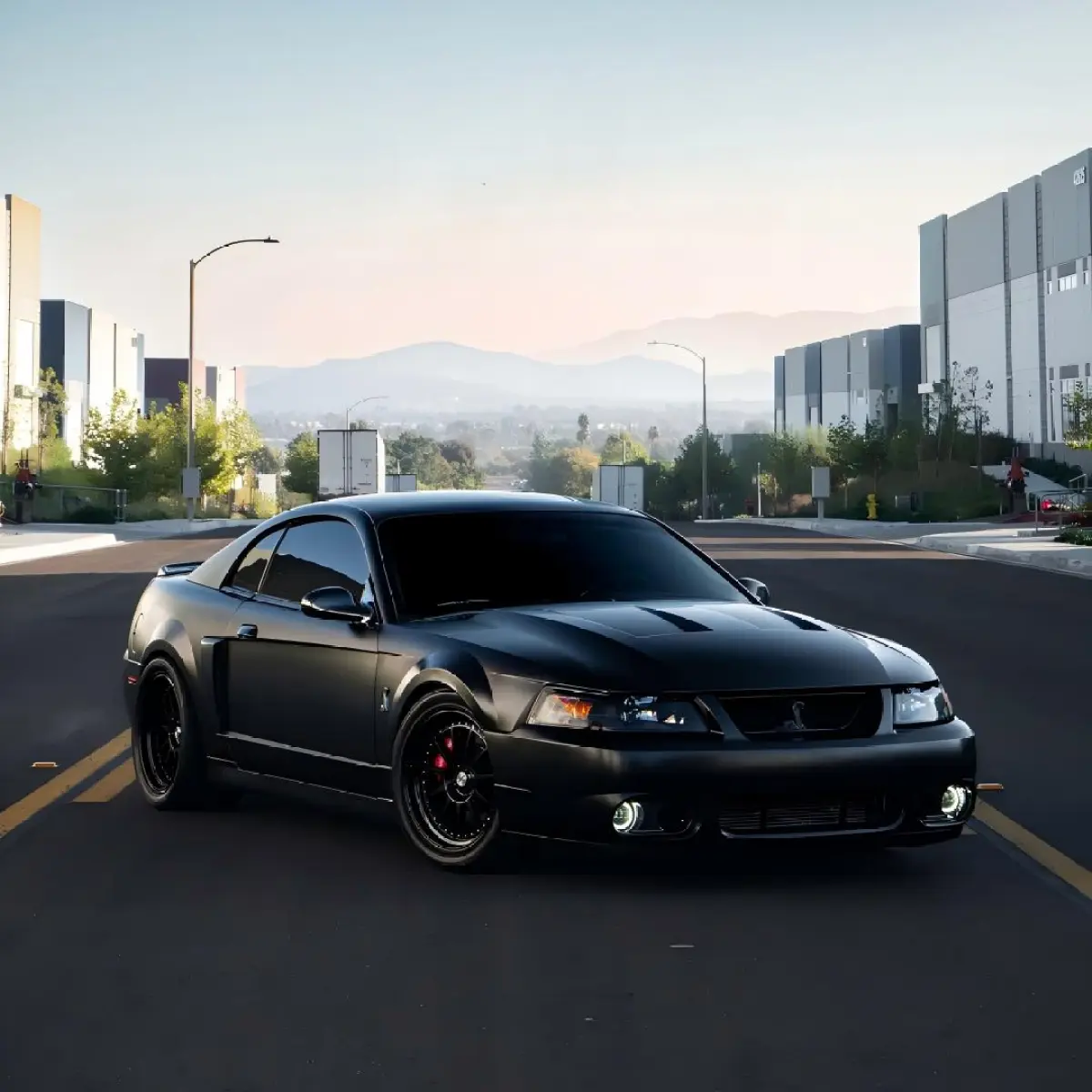
A full-body satin black PPF wrap converts any color into a factory-looking stealth finish while keeping the OEM paint preserved underneath. Compared with repainting, you avoid permanent changes to the original paint, and you gain a self-healing, hydrophobic surface that shrugs off wash-swirls and light abrasion.
2. Front-end impact kit in satin black
If your main concern is stone chips and highway rash, a front-end kit (bumper, hood, fenders, mirror caps) in satin black PPF is a cost-effective choice. This approach is popular on performance sedans and hot hatches that see regular motorway use. You get a bold satin look up front, while the rest of the car can remain stock or be finished in a different film.
3. Satin black PPF for trucks and SUVs
Larger vehicles benefit massively from chip-resistant satin black PPF on high-impact areas: rocker panels, lower doors, wheel arches, and tailgates. On off-road-oriented builds, satin black hides mud stains, light scratches and trail rash better than gloss, while still offering a tough TPU barrier against gravel and debris.
4. Track-ready, thicker satin black PPF
For track cars or very aggressive driving, thicker films around 10 mil can be a smart upgrade on the front bumper, hood leading edge, mirrors, and rear arches. Recent industry guidance highlights that 10 mil films provide noticeably more impact resistance than 7.5 mil, at the cost of slightly more effort during installation.:contentReference[oaicite:10]{index=10} In satin black, this gives you a motorsport-inspired, purposeful appearance that also protects against rubber marbles and off-track excursions.
5. Metal ceramic black PPF – satin-inspired depth with ceramic character
Alukovinyl’s own TPU Matal Ceramic Black Colored PPF is a premium example of how color PPF has evolved in 2025. Built on a high-grade TPU base, this film delivers a deep black tone with a refined metallic and ceramic-style surface, engineered for strong tensile strength, high elongation, and full self-healing under heat. The spec sheet highlights advanced UV resistance, robust peel strength, and an expected durability of 5–7 years when correctly installed and maintained.
While its finish goes beyond a pure satin into a denser, high-tech black, the effect on the car is very similar to what many owners want from satin black PPF: a rich, non-flat black that looks premium in all lighting conditions, but still hides minor surface marks better than a pure mirror gloss. Compared with a standard tpu wrap in clear or gloss, the metal-ceramic black option gives a more dramatic style change while retaining the full impact protection and self-healing behavior of modern PPF.
Because this film is part of Aluko’s broader tpu color ppf range, installers can combine the metal ceramic black with other colored PPF finishes on accents (roof, mirrors, splitters) to create two-tone builds without sacrificing protection.
6. Satin black PPF for roof and pillars
Black roofs and A/B/C pillar treatments remain a strong design trend. Instead of painting or using a basic wrap, satin black PPF gives that floating-roof look with added chip protection on a panel that often collects wash scratches and branch marks. On lighter body colors, the contrast is especially striking and can visually “lower” the car for a sportier stance.
7. Hybrid builds: PPF + ceramic coating
Another 2025 trend is combining satin black PPF with a professional ceramic coating on top. Industry testing shows that while ceramic-infused PPF can look great initially, a traditional PPF plus a high-quality ceramic coat on top can deliver longer-term hydrophobic performance because the coating can be reapplied without replacing the film underneath.:contentReference[oaicite:12]{index=12} For owners who want extreme ease of cleaning and a subtle increase in gloss on top of a satin finish, this hybrid approach is very attractive.
8. Partial satin black PPF accents
You don’t have to wrap an entire car to get value from satin black PPF. Popular accent placements include lower bumpers, side skirts, diffuser areas, and trunk lips – essentially anywhere that’s likely to catch sandblasting or loading scuffs. Satin black accents can visually tie together dark wheels, grilles and trims while quietly absorbing the abuse those panels see every day.
9. Satin black PPF for EVs and minimalist designs
Electric vehicles often feature clean, simple body lines that look incredible in satin finishes. In 2025, installers are increasingly using satin black PPF on EVs to sharpen their futuristic design while protecting soft OEM paints that are more susceptible to scratching and chemical staining. A high-quality satin black PPF provides the impact protection, hydrophobic behavior and UV stability needed to keep those large, smooth surfaces looking consistent over years of daily commuting.
10. Full color-change projects with mix-and-match films
Finally, satin black PPF can be combined with other colors and finishes for more complex, high-end custom projects. For example, a car could use satin black PPF on high-impact zones, gloss color PPF on upper body panels, and textured or color-shift films on specific accents. Because all of these films are based on TPU PPF technology, they can be installed and removed without harming OEM paint, making it easier to update the look in the future.
As you plan a more advanced build, it’s worth working with a shop that understands the differences between simple cosmetic wraps and true paint protection films. They can help you map out a long-term appearance and protection strategy that aligns with your budget and how you actually use the vehicle.
When you’re ready for a fully protected look, Alukovinyl’s satin and black PPF solutions are designed to work alongside its broader PPF catalog, making it easy to spec a complete protection package from one place – from entry-level kits to high-end, color-rich films like the metal ceramic black line. For shoppers comparing options, browsing the main PPF collection page is a simple way to see the variety of finishes and thicknesses now available.
To anchor your research on reputable suppliers, start from brands that specialize in PPF rather than generic films and that clearly publish specs like thickness, base material, and durability instead of only color and price.
Care & maintenance tips for satin black PPF
Once you’ve chosen your preferred satin black solution – whether a full body, front-end kit, or a more complex color-change – maintenance is straightforward if you follow a few best practices:
- Use pH-neutral car shampoos and soft wash mitts to avoid micro-marring the surface.
- Dry with clean microfiber towels or a blower to minimize water spots.
- Avoid harsh solvents and abrasive polishes that could damage the topcoat.
- Address bird droppings, bug guts and fuel stains promptly to avoid etching.
- Ask your installer which quick detailers or ceramic toppers are compatible with your film.
Modern satin black PPF is designed to be relatively low-maintenance thanks to hydrophobic and self-healing technologies, but following these basic guidelines will help you get the full rated lifespan from the film.
Conclusion: choosing the right satin black PPF for your build
Satin black PPF has moved beyond a niche choice and is now one of the most practical ways to protect and restyle a vehicle in 2025. Whether you’re after a subtle stealth conversion, a track-ready front-end kit, or a bold metal ceramic black finish with multi-dimensional depth, there is a configuration that fits your use case and budget.
Focus on film quality, thickness, self-healing, hydrophobic performance, and published durability – and then decide how far you want to go in terms of coverage. With the right satin black PPF solution, your car doesn’t just look sharper; it also gains a robust sacrificial layer that keeps OEM paint safer from the hazards of real-world driving.
When comparing suppliers, look for specialists in TPU PPF with transparent specs and a solid track record in both clear and colored films. That way you can confidently choose satin black ppf style finishes that truly match the performance and protection your vehicle deserves.