If you’ve just typed “paint protection film near me” into a search engine, you’re not alone. New-car prices are higher than ever, and more drivers are choosing paint protection film (PPF) to stop rock chips, road rash, and fading before they start. But not every shop, material, or quote is equal. This guide walks you through what PPF actually does, which specs and materials matter most, and how to choose a reliable installer in your area.
Whether you’re a car owner comparing quotes or a shop owner looking for better film and more consistent results, use this article as a practical checklist for buying and installing high-quality PPF that actually protects your paint.
What Is Paint Protection Film and Why It Matters
Paint protection film is a clear, flexible urethane film that is applied to painted panels to absorb the abuse of daily driving. Instead of your bumper or hood taking the impact from stone chips, bug splatter, road salt, and light scratches, the film absorbs that damage first. Modern PPF is optically clear enough that most people will never notice it’s there when it’s installed correctly.
Today’s premium films are multi-layer constructions: a TPU base film for impact and flexibility, plus a top coat engineered to resist staining and even “self-heal” light swirls when warmed by the sun or hot water. Combined with strong UV resistance, the right film helps your car keep its gloss and depth of color for years, not just months—especially on vulnerable front-end panels.
TPU vs PVC: Why Material Choice Matters
When you compare PPF brands through “paint protection film near me” searches, one of the biggest underlying differences is material. Older or cheaper films were often made from PVC or aromatic TPU. These can be less flexible, more prone to yellowing, and less resistant to UV and chemicals over time, especially on white or light-colored cars.
High-end PPF today is typically built on aliphatic TPU (thermoplastic polyurethane). This advanced material offers excellent clarity, strong impact resistance, and far better anti-yellowing performance when exposed to sun and harsh environments. When you’re talking with installers, don’t be shy about asking which base material their film uses and whether it is a modern aliphatic TPU designed specifically for automotive clear and color PPF applications.
Key Specs to Check Before Booking PPF Near You
Once you’ve confirmed that a shop uses a reputable TPU-based film, the next step is understanding the specs on the product data sheet. These numbers tell you a lot about how the film will perform in the real world.
1. Thickness and Impact Resistance
Most automotive PPF sits in the 7.5–10 mil range, thick enough to absorb rock chips and minor abrasions while still conforming to complex curves. For example, ALUKO’s Gloss PPF Ultra is engineered at around 8.5 mil, pairing robust impact protection with a highly flexible film that wraps tightly over bumpers and hoods without looking bulky. When comparing brands, you don’t need the absolute thickest film on the market, but you should expect properly engineered automotive films, not ultra-thin vinyl substitutes.
2. UV Resistance, Clarity, and Self-Healing
Long-term clarity is just as important as thickness. Look for films with published UV rejection values and top coats designed to resist yellowing and oxidation. Premium products combine high UV resistance with hydrophobic properties and a self-healing surface. That means:
- Minor wash marring and swirl marks relax or “heal” under heat.
- Dirt, tar, bug splatter, and bird droppings are easier to rinse away instead of staining the film.
- The gloss level stays close to OEM clear coat for longer.
When you talk with a shop, ask which specific film line they are installing and whether it has a self-healing top coat and hydrophobic finish or if they are relying on a separate ceramic coating to achieve similar behavior.
3. Warranty, Coverage, and After-Care
Serious PPF manufacturers back their films with multi-year warranties against yellowing, cracking, and adhesive failure, and they publish clear maintenance guidelines. Quality installers will mirror that confidence with their own workmanship warranties, clear after-care instructions, and a defined inspection process shortly after installation. If a quote looks too good to be true but comes with vague or non-existent warranty details, treat that as a red flag.
How to Evaluate “Paint Protection Film Near Me” Search Results
Typing “paint protection film near me” will usually bring up a mix of detailing shops, wrap studios, dealerships, and even mobile installers. Instead of choosing solely on distance or price, filter your list using objective criteria you can verify online before you ever call.
Look for these signals on websites, Google profiles, and social media:
- Real install photos and videos – not just stock images. You want to see close-ups of edges, corners, badges, and mirror caps.
- Clear mention of the film brand and series – reputable shops are proud of the PPF brands they carry.
- Recent reviews that mention PPF by name – ideally with photos and feedback about fit and finish, not just “car looks great.”
- Training or certification – many top PPF brands certify installers on specific products and software patterns.
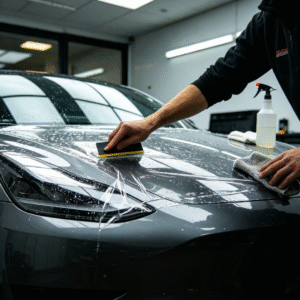
During your first call or visit, ask to see sample panels, previously wrapped customer cars, and the pattern software they use. A professional shop should be comfortable explaining which areas they bulk wrap, which they cut from patterns, and how they minimize visible seams.
Pricing: Understanding Quotes from Local PPF Shops
Pricing is one of the biggest surprises for people searching “paint protection film near me” for the first time. Because PPF is material- and labor-intensive, you’ll see a wide spread in quotes depending on your vehicle, coverage, film choice, and region. Partial front packages (bumper, part of the hood, mirrors) typically start in the hundreds of dollars, while full-body wraps run into the multiple-thousand-dollar range for premium films applied by experienced installers.
When comparing quotes, ask every shop to detail exactly what’s included: which panels are covered, which film line they’ll use, how many pieces each panel will be, whether edges are wrapped, and what the warranty covers. A slightly higher quote from a shop using a top-tier TPU film, with cleaner patterns and better installation standards, is often cheaper in the long run than a bargain job that fails early or needs to be removed and redone.
DIY Kits vs Professional Installation
As PPF has become more popular, DIY kits and bulk film rolls have become easier to buy online. For relatively flat areas such as door sills or simple hoods, an experienced DIYer can sometimes achieve good results with patience, the right slip solution, and a high-quality film. However, complex bumpers, aggressive aero, and tight curves are where most DIY installations fail.
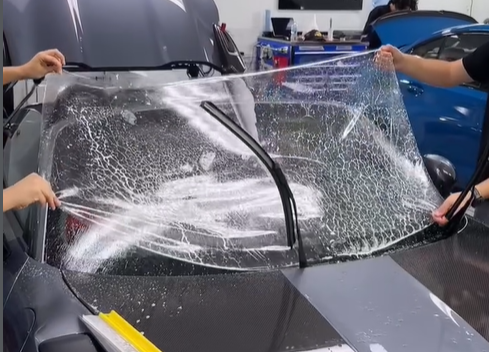
Professional installers use controlled shop environments, pattern software, plotters, multiple squeegees, slip and tack solutions, heat tools, and years of experience. If you’re protecting a high-value vehicle or want near-invisible results on complex panels, professional installation is usually the best choice. DIY bulk film makes the most sense for trained shops, advanced enthusiasts, and race or fleet vehicles where aesthetics are less critical than protection and uptime.
When to Choose Color PPF or Vinyl Wrap Instead
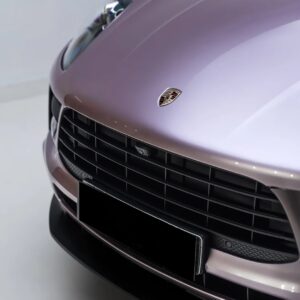
Clear PPF is ideal when you like your factory paint color and simply want it to last. But some drivers also want a new look at the same time. This is where color PPF and full vinyl wrap options come in. Color PPF combines the protection of TPU film with a solid or special-effect color, while cosmetic vinyl primarily focuses on appearance with lighter physical protection.
If you run a shop or you’re a serious DIY installer, choosing the right tpu wrap gives you the impact resistance and self-healing performance customers expect from premium PPF. Drivers looking for bolder finishes can explore Alukovinyl’s color ppf lines—TPU protective films that add unique OEM-inspired shades and special effects—while owners who want an almost invisible shield can stick with a high-clarity clear ppf that preserves the original paint color and gloss.
Quick Checklist to Find Quality PPF Services Near You
Use this short checklist to turn a long list of “paint protection film near me” results into a handful of trustworthy installers:
- Confirm they install a modern, TPU-based automotive PPF from a known brand.
- Check real customer photos and videos of PPF installs (not just vinyl wraps).
- Ask which film series they recommend and why (thickness, self-healing, UV rating).
- Request a written quote detailing coverage, film type, and warranty terms.
- Visit the shop if possible and check for a clean, well-lit, climate-controlled environment.
- Clarify after-care instructions and whether they offer follow-up inspections after installation.
Once you’ve compared these points across two or three candidates, it usually becomes clear which shop actually invests in quality materials, training, and long-term customer support rather than just selling quick installs.
Final Thoughts
Searching for “paint protection film near me” is the first step in protecting one of your most expensive assets: your vehicle’s paint. The real value comes from choosing the right combination of TPU-based film, experienced installer, and coverage plan for how you drive. By understanding key specs—like thickness, self-healing top coats, and UV resistance—and by asking smarter questions about materials, warranties, and workmanship, you can confidently select a PPF solution that keeps your car looking new for years. And if you’re a shop or advanced DIYer, pairing a trusted local installation process with premium clear and color PPF from Alukovinyl lets you deliver that level of protection to every customer you serve.