TPU wrap has quickly become the “gold standard” for protecting premium paintwork. Compared with traditional vinyl wrap for cars, modern TPU paint protection film (PPF) is engineered to absorb impacts, self-heal light scratches, and stay optically clear for years, not months.
1. What Exactly Is TPU Wrap?
TPU stands for Thermoplastic Polyurethane, a flexible, highly elastic polymer used in demanding applications like medical devices, sports equipment, and impact-resistant coatings. In the automotive world, TPU is now the premium base material for high-end paint protection films because it combines:
- High abrasion and impact resistance
- Excellent flexibility and elongation on complex curves
- Optical clarity and gloss retention
- Self-healing and hydrophobic top-coat technologies
Most modern PPF constructions use a multi-layer stack: a pressure-sensitive adhesive, a TPU core layer, and a special top-coat that provides stain resistance, UV stability, and self-healing behavior. TPU’s toughness and flexibility make it the preferred material in current PPF industry standards for durability, anti-yellowing, tensile strength, and chemical resistance.
2. How Does TPU Wrap Actually Protect Your Paint?
A high-quality tpu wrap is designed as a sacrificial, energy-absorbing layer on top of your clear coat. When rocks, sand, or road debris hit the front bumper or hood, the TPU layer flexes and deforms, taking the impact instead of the paint underneath. Industry testing often uses stone-chip impact testers and abrasion rigs to simulate years of highway driving in hours, verifying that the film absorbs chips without cracking or penetrating to the paint.
Thickness is a key part of this protection. Many reputable TPU PPF products are in the 6–8 mil (0.15–0.20 mm) range, which is thick enough to block chips but still thin enough to stay virtually invisible over modern clear coat.
3. Inside the Self-Healing & Hydrophobic Technology
3.1 Heat-Activated Self-Healing
One of the main reasons TPU wrap is considered “advanced” is its ability to self-heal light surface damage. The top layer of the film is engineered with an elastic, cross-linked coating. When the film is lightly scratched or swirled during washing, gentle heat (sunlight, hot water, or a warm air gun) allows the polymer chains to “relax” back toward their original shape, making fine scratches visually disappear.
This doesn’t mean TPU wrap is indestructible, but it does greatly reduce visible swirls and micro-marring, so the car looks freshly detailed for longer with less correction work.
3.2 Hydrophobic & Stain-Resistant Top Coats
Most modern TPU PPFs also integrate a hydrophobic (water-repelling) layer. This makes water bead and roll off the surface, carrying away dust and reducing water spotting. The same chemistry helps resist stains from bug splatter, bird droppings, road tar, and environmental fallout, so they are less likely to etch into the film or the clear coat beneath.
In practice, this means easier cleaning, fewer harsh chemicals, and better long-term gloss compared with unprotected paint or older-generation films.
3.3 Impact & Scratch Resistance
TPU’s high elongation at break and tensile strength allow the film to stretch and rebound under impact instead of cracking. Some manufacturers report elongation values over 300% and tensile strengths above 20–25 MPa in their test data for automotive PPF, indicating strong resistance to tearing in real-world use.
Scratch resistance is verified using standardized abrasion tests (like Taber abrasion) and hardness tests. These help installers compare how well different PPFs resist scuffing when exposed to repeated washing, road grit, and physical contact.
4. TPU Wrap vs PVC and TPH Films
Not all paint protection films are created equal. Older or budget products often use PVC or TPH instead of TPU. While these alternatives may be cheaper upfront, they usually trade away longevity, optical clarity, or self-healing performance.
| Property | TPU PPF | TPH PPF | PVC PPF |
|---|---|---|---|
| Self-healing | Yes (heat-activated) | Minimal | No |
| Typical durability | 5–10 years | 2–5 years | 1–2 years |
| Optical clarity | Excellent | Good | Fair |
| Yellowing resistance | High | Medium | Low |
| Best use case | Premium, long-term protection | Mid-range budgets | Short-term or temporary |
Independent comparison charts consistently rate TPU as the premium choice for owners who want true long-term protection and are willing to invest slightly more upfront in exchange for 5–10 years of stable performance.
For buyers researching deeper, resources like professional PPF comparison tests, PPF industry standards guides, and independent PPF durability reviews all highlight TPU as the benchmark material for modern protective films.
5. Clear TPU PPF vs TPU Colored Wraps
TPU wrap is not only about invisible protection. Today you can choose between fully transparent PPF and TPU-based color films that combine styling with protection.
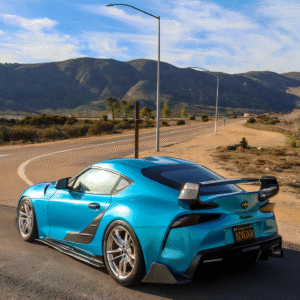
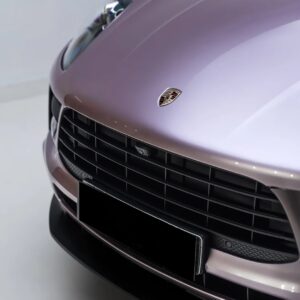
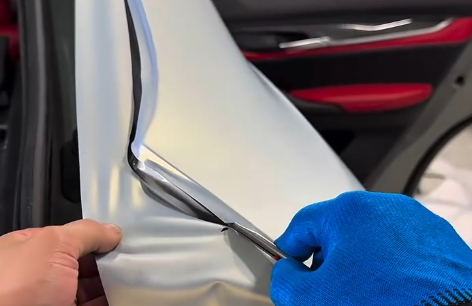
For owners who want to change or enhance the car’s look while still benefiting from TPU’s impact and self-healing properties, ALUKO’s tpu colored ppf offers a way to add satin, matte, or solid color finishes with genuine PPF-grade protection—ideal for full-body transformations that still preserve resale value underneath.
If you’re focused on keeping the factory paint and color exactly as it is, a high-gloss clear ppf is the best fit. It is designed to be virtually invisible from normal viewing distances while absorbing rock chips, swirl marks, and harsh environmental exposure.
6. How to Judge the Quality of a TPU Wrap
Because TPU PPF is a technical product, there are real performance differences between brands. When comparing options, pay attention to these objective indicators:
- Material & construction: Look for films clearly labeled as pure TPU with a multi-layer construction and self-healing top coat, not just “urethane” or generic plastic.
- Thickness: Premium films are typically in the 6–8 mil range; significantly thinner films may offer less impact resistance.
- Certified test data: Serious manufacturers will share test results based on industry standards (ASTM, ISO) for tensile strength, elongation, chemical resistance, and yellowing performance.
- Self-healing demonstration: Reputable shops can show you a sample panel where light scratches disappear under warm water or a heat gun.
- Hydrophobic behavior: Water should bead tightly and roll away quickly, indicating a strong, durable top coat.
- Warranty: Long warranties (often 5–10 years for TPU) that explicitly cover yellowing, cracking, and delamination are a good indicator of confidence in the film.
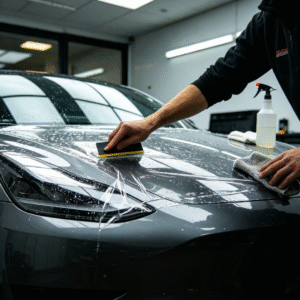
Finally, the installer is just as important as the film. Even the best TPU wrap can fail if it’s stretched excessively, contaminated with dust, or cut improperly. Always choose a shop with strong installation experience, clean facilities, and a portfolio of similar vehicles.
7. Is TPU Wrap the Right Choice for You?
If you plan to keep your car for several years, drive it regularly, and want to preserve resale value, TPU wrap is currently the most advanced solution for protecting modern automotive paint. Compared with traditional vinyl films, it offers superior impact resistance, self-healing behavior, and long-term clarity. Compared with older PVC or TPH PPF, it delivers a longer service life, better resistance to yellowing, and a more stable, factory-like finish.
Whether you choose a subtle clear film to make damage practically invisible, or a bold color transformation with TPU-based wraps, ALUKO’s portfolio of TPU solutions is engineered to give you protection that works as hard as you drive — and looks good doing it.