Your practical primer to the “animekia” world—how to watch legally, where to find your people, and how the culture shows up IRL through Itasha builds and design-forward car wraps.
What “AnimeKia” Means in 2025
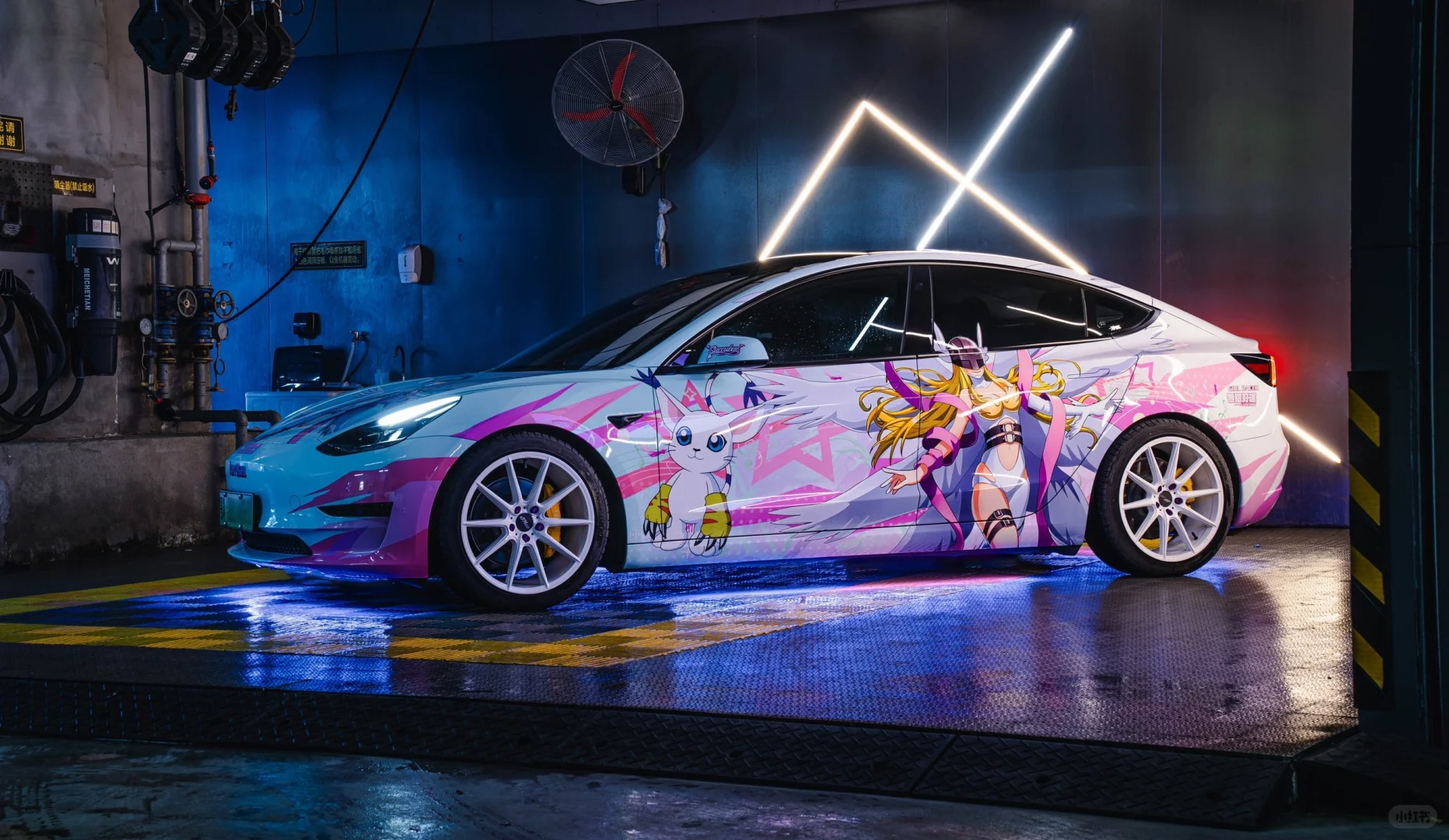
In fan circles, animekia has become shorthand for the wider anime ecosystem—streaming platforms, creator hubs, fan communities, and the lifestyle that flows from them. It’s not just about keeping up with seasonal premieres; it’s about engaging with art, music, fashion, and design. From AMVs and fanart to cosplay and Itasha (anime-themed vehicle designs), animekia blends online and offline culture into a single, expressive scene.
Streaming: Watch Smarter, Support Creators
The best way to participate in animekia is to watch shows via legitimate services in your region. Legal sources pay licensors and creators, keep catalogs consistent, and provide better subtitles and video quality. Use platform watchlists to track series by cour and studio, and try “simulcasts” to stay current with ongoing seasons. If you discover a new franchise, start with an official series guide on the platform to avoid movie-then-TV continuity mix-ups.
Power tip: curate by director or studio. Following a director’s filmography or a studio’s seasonal lineup helps you find hidden gems and understand creative through-lines across titles.
Communities: Find Your People, Learn the Etiquette
Animekia communities thrive across Reddit, Discord, forums, and social platforms. Most groups welcome newcomers—just learn the basics: tag spoilers, credit artists, and respect cosplayers’ consent for photos and reposts. If you’re trading build advice (for PCs, cameras, or Itasha layouts), post clear references and ask specific questions. Community wikis and pinned posts are gold; start there before asking for help to save time for everyone.
Looking to meet IRL? Local clubs and con servers usually maintain meet-up channels. Check their rules on merch tables, photography, and fanart sales to avoid last-minute surprises.
Culture: From Screen to Street via Itasha
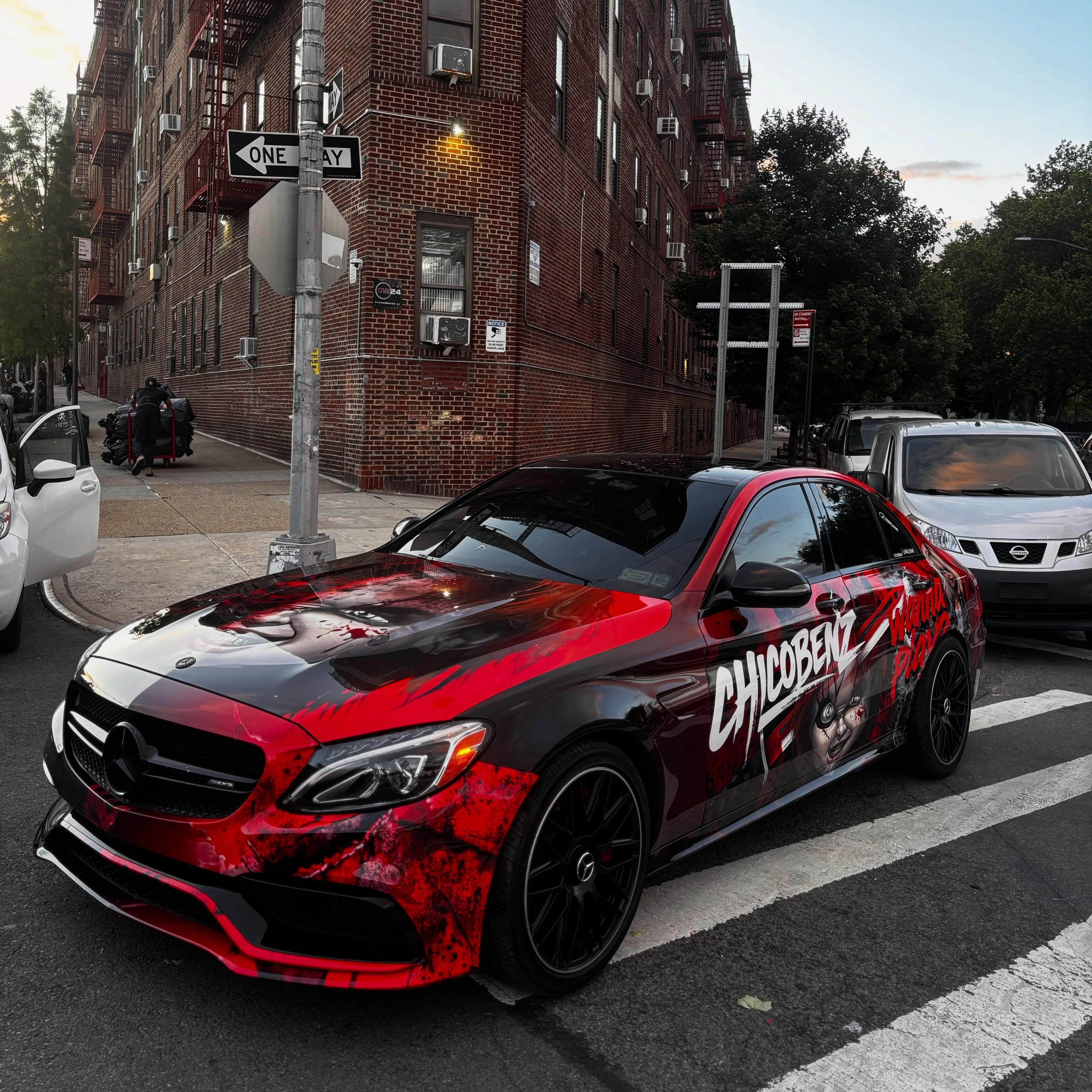
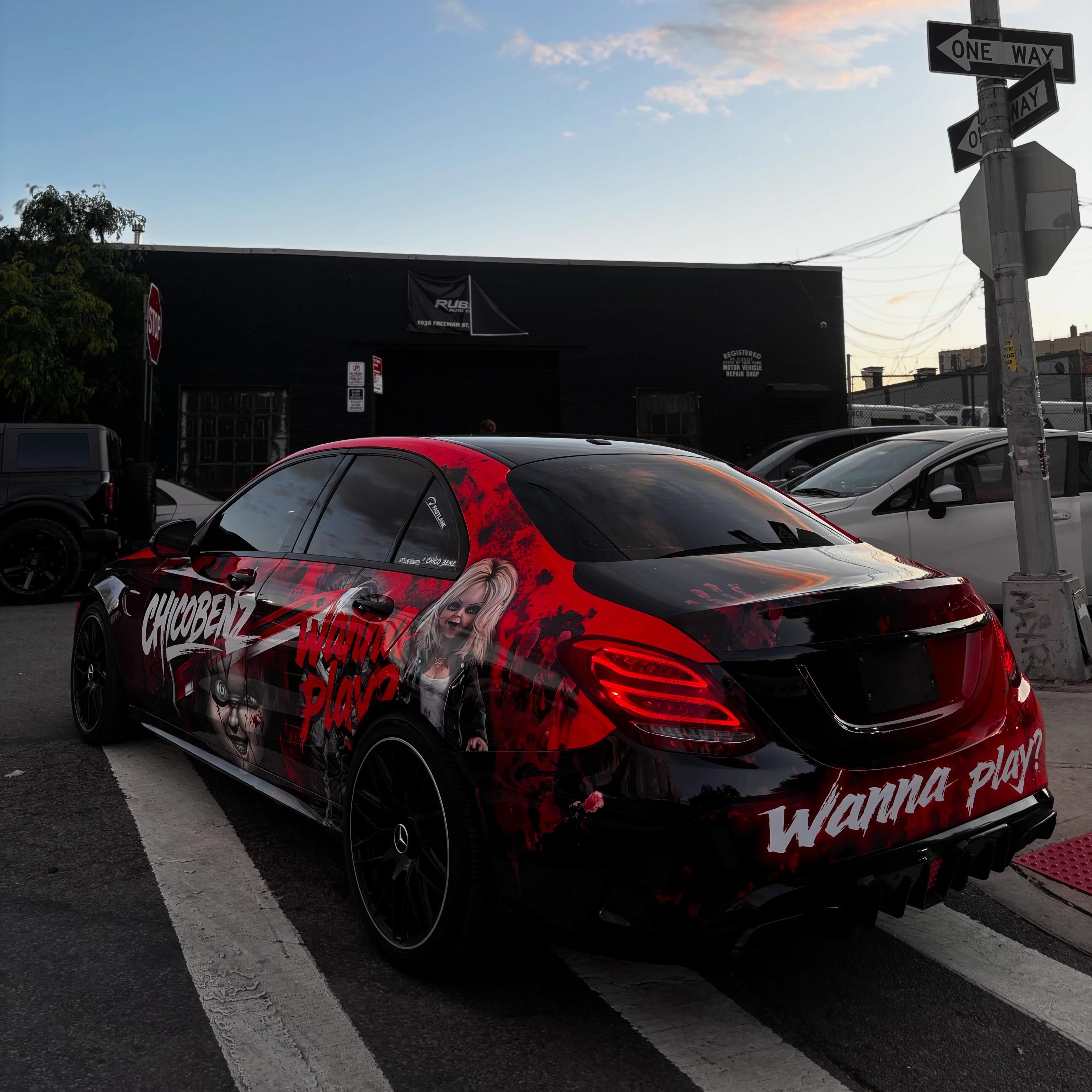
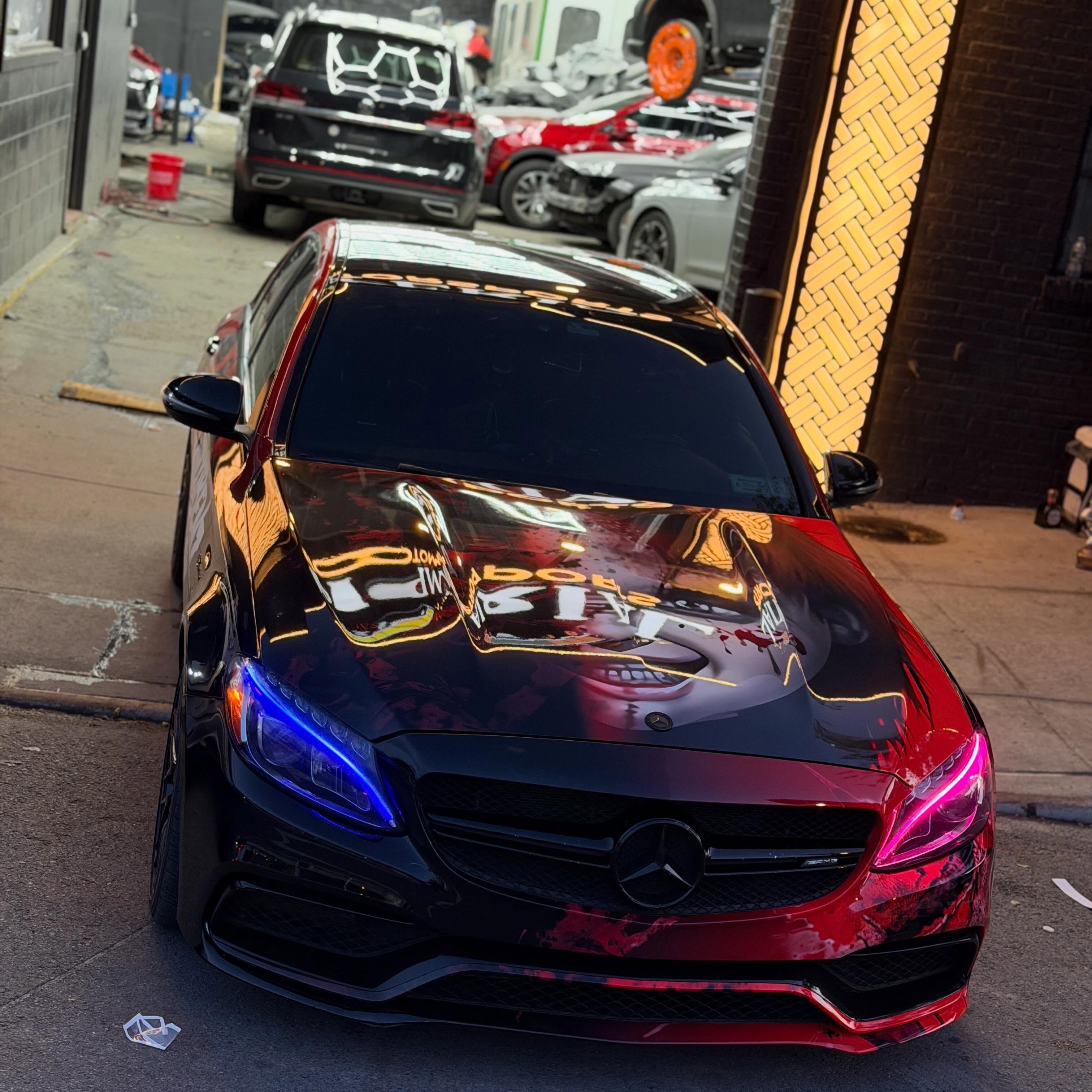
One of the most striking expressions of animekia is Itasha—vehicles decorated with character art, typography, and series motifs. Modern Itasha blends illustration, color theory, and typography with vehicle lines. The goal isn’t just to paste a character on a door; it’s to orchestrate composition across hood, doors, pillars, and bumpers so the design reads cleanly from multiple angles.
If you’re exploring your first Itasha build, start with a style board (palette, type, motifs) and a side-profile template of your car. Plan how colors wrap around panel breaks and how highlights align with body creases. This pre-work saves time and reduces reprints once you move to materials and installation.
Materials & Methods: Your First Animekia Itasha Build
For daily-driver projects, a high-quality vinyl base is the norm because it’s reversible and paint-safe when installed correctly. If you’re new, talk to a professional installer and learn the difference between calendared and cast films, air-release channels, conformability, and post-heat requirements. You can begin with a solid-color foundation and layer printed decals on top, or go all-in with a full printed wrap.
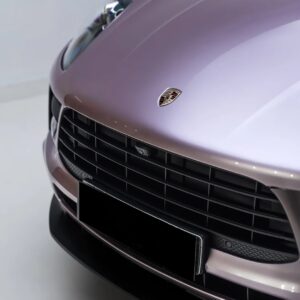
- Choose your foundation. A solid color wrap sets your palette and gives you a durable canvas for decals. See what a professional car wrap looks like in practice.
- Design for panels. Keep faces and key art away from deep recesses, handles, fuel doors, and high-stretch zones to preserve proportions and detail.
- Print and laminate. Ask your printer about resolution, color profiles, and UV-resistant laminates. If your car sits outside, UV protection is not optional.
- Install with intent. Clean, clay, and decontaminate. Dry-fit large sections, work from center out, and post-heat per film spec to lock memory.
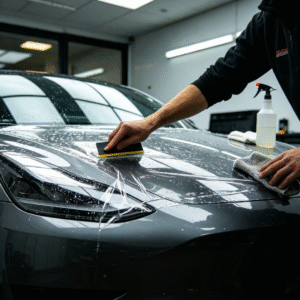
- Protect your investment. For daily drivers or show cars that rack up miles, consider adding paint protection film (PPF) to leading edges and high-impact zones.
If you’re aiming for a fully bespoke look—foil textures, color-shift accents, or layered character graphics—partner with a shop experienced in custom car wrap projects. Experienced installers can guide panel tiling, bleed margins, and seam placement so your artwork lands exactly where you intended.
Durability, Care & Daily Use
Street-driven Itasha needs a maintenance plan. Hand-wash with pH-neutral soap, microfiber mitts, and low-pressure rinses. Avoid harsh solvents around edges and seams. In sunny climates, a covered parking spot dramatically extends color life. For tougher conditions or track-day debris, many builders choose a rugged TPU car wrap or mix-and-match: vinyl for the art zones, TPU or PPF for impact areas.
Copyright & Artist Credit: Do It Right
Respect for artists is a core animekia value. Commission original art or license existing work for print use on vehicles; read the terms carefully (personal vs. commercial, geographic scope, duration). Always credit the artist in your build posts. If you’re collaborating with a shop, make sure your agreement clarifies who may photograph and publish the final wrap for portfolios and social media.
Quick Start Checklist
- Pick your series, character, or motif and build a color palette.
- Map artwork to panels; avoid deep recesses for faces and fine details.
- Select materials: solid foundation, full-print wrap, or hybrid with PPF.
- Align with an experienced Itasha-friendly installer early.
- Plan aftercare: hand-wash routine, UV management, protection for impact zones.