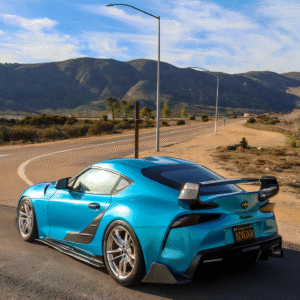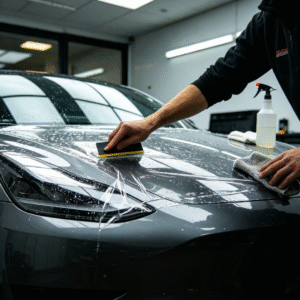
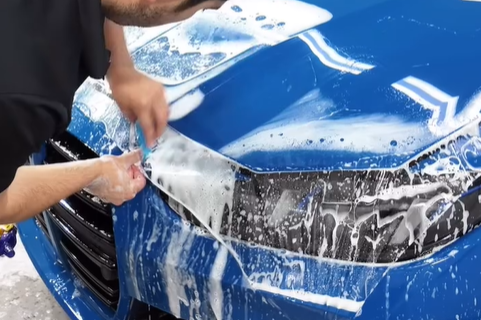
If you drive on real roads—behind gravel trucks, through winter salt, or in city traffic—you know how quickly a “perfect” paint job can be ruined by rock chips, bug acids, and swirl marks. That’s exactly the problem paint protection film (PPF) is designed to solve. But what is paint protection film really made of, and how does it actually work at a microscopic level to keep your clear coat looking new for years?
In this guide, we’ll break down the layers, materials, and self-healing chemistry behind modern PPF so you can decide whether a clear ppf or a more stealthy matte option is right for your car.
What Is Paint Protection Film?
Paint protection film is a transparent, flexible plastic film that is applied over your vehicle’s painted surfaces to absorb physical impacts and chemical attack before they reach the clear coat. Modern, high-end PPF is almost always made from thermoplastic polyurethane (TPU), a highly elastic and durable polymer that can stretch around complex body lines, then recover to its original shape.
Unlike a traditional vinyl wrap, which is primarily designed to change color or finish, PPF is built first and foremost as a defensive barrier. A typical premium film is roughly 6.5–10 mil (0.165–0.25 mm) thick and engineered to:
- Absorb the energy of stone chips and road debris before they crater the paint.
- Resist staining from bug guts, tar, bird droppings, and road salt.
- Filter UV radiation to reduce clear-coat oxidation and fading.
- Maintain optical clarity so your OEM paint color still shows through.
Major manufacturers like 3M and others combine these properties with advanced clear coats that offer self-healing and stain resistance, so light marring can disappear with warmth from the sun or hot water.
Inside a Sheet of PPF: Layer-by-Layer Anatomy
Even though it looks like one thin, clear sheet, quality PPF is a multi-layer engineered product. A typical stack looks like this:
1. Self-Healing Top Coat
The outermost surface is a highly elastic clear coat only a few micrometers thick. In premium films, this layer contains special polymer and nano-additive structures that can “reflow” when warmed, allowing fine swirls and wash marring to level out over time.
When micro-scratches are introduced, they disturb the surface. Under heat (sun exposure, a gentle heat gun, or even hot water), the molecules in this top layer gain mobility, shifting just enough to relax those shallow scars back into a smoother surface. This is the core of PPF’s self-healing behavior.
2. TPU Impact Layer
Beneath the top coat lies the main TPU body of the film. TPU is a thermoplastic elastomer with very high elongation—commonly over 300%—which allows it to stretch around mirrors, bumpers, and complex panels without tearing.
When a stone hits your bumper at highway speeds, this layer flexes and momentarily deforms to spread the impact over a wider area. Instead of your paint chipping, the TPU absorbs and dissipates that energy. The film acts like a transparent, flexible “shield” that sacrifices itself long before the underlying clear coat is compromised.
3. Adhesive Layer
On the underside, a pressure-sensitive adhesive (PSA) bonds the film to the painted surface. Modern adhesives are designed to:
- Provide strong, long-term adhesion across a wide temperature range.
- Remain optically clear (no haziness or milkiness) when correctly installed.
- Allow removal at end-of-life without tearing off healthy OEM paint.
This adhesive layer is critical to PPF performance: if it fails, the film can lift, collect dirt at the edges, or lose clarity. That’s why preparation, panel cleaning, and squeegee technique matter so much during installation.
The Self-Healing Effect: How Does It Really Work?
Self-healing PPF is not magic—it’s smart materials science. The self-healing top coat uses elastomeric and sometimes nano-structured polymers that respond to heat and mechanical stress. Under normal conditions, they form a tough, cross-linked network. When warmed, the polymer chains become more mobile, allowing small disruptions (swirls, fine scratches) to relax back into a smoother state.
Importantly, self-healing has limits: it works best on micro-marring, not on deep gouges from severe impacts or sharp objects. Think of it as a top layer that constantly “re-sets” light wear and tear, so your car keeps that freshly detailed look for longer with far fewer machine-polishes over its life.
PPF vs Vinyl Wrap: Protection vs Style
Because PPF and wrap films both come on rolls and are installed with squeegees, many people assume they do the same job. In reality, they’re optimized for very different goals:
- PPF: Thicker, TPU-based, engineered for impact resistance, self-healing, and long-term clarity. Professionally installed PPF from reputable brands typically lasts around 5–10 years with proper care.
- Vinyl color wrap: Thinner PVC or hybrid films focused on color and finish options (matte, gloss, satin, chrome). Even high-quality wraps generally last about 3–5 years before they begin to show wear, especially on horizontal, sun-exposed panels.
If your priority is custom color or special effects (color-shift, chrome delete, brand graphics), a color vinyl wrap is the better tool. If your priority is keeping expensive OEM paint looking new as long as possible, dedicated ppf film for car is the smarter choice.
Gloss, Matte, and “Stealth” Finishes
Early generations of PPF were almost always high-gloss and aimed at being invisible. Today, you can choose the finish to match your style:
- Gloss clear PPF – Designed to be virtually invisible and preserve the original gloss of the paint while adding depth and clarity.
- Matte or “stealth” PPF – Softens reflections and turns a gloss car into a factory-style satin finish without repainting. A high-quality matte ppf wrap gives you that frozen OEM look while still providing the same impact and chemical protection.
- Hybrid textured films – Some modern films combine PPF-grade protection with subtle texture or tinted effects for a more customized appearance.
Whether you choose matte or gloss, the underlying science is the same: a TPU core and engineered top coat shield your paint while allowing you to tune the visual style.
What Exactly Does PPF Protect Against?
A properly installed clear paint protection film doesn’t just “sit” on the paint; it actively takes the abuse your clear coat would normally absorb. In daily driving, that means:
- Stone chips and gravel flung up by tires.
- Sandblasting on lower rocker panels and rear arches.
- Bug acids and bird droppings that can etch unprotected clear coat in hours.
- Fine swirl marks from washing and drying.
- UV exposure that slowly oxidizes and dulls paint over years.
Because the film absorbs this damage, your OEM paint remains intact underneath. At end of life, the film can be removed, revealing the better-preserved finish below—a key reason many enthusiasts install PPF on new cars as early as possible.
How Long Does PPF Last?
Lifespan depends on film quality, installation, environment, and maintenance, but most premium PPF systems today are rated for around 5–10 years. Many manufacturers back that up with warranties covering yellowing, cracking, blistering, and delamination within that period.
Key factors that influence how long your film lasts include:
- Film quality: TPU-based, self-healing films vastly outperform older PVC or TPH constructions over time.
- Installation quality: Proper surface prep, edge wrapping, and contamination control reduce lifting, bubbles, and premature failure.
- Climate: Intense UV and high heat accelerate aging; garaging the car and regular washing help extend life.
- Care routine: Gentle, pH-neutral washes and avoiding harsh chemicals or abrasive polishes keep the topcoat performing as designed.
With good film and good habits, it’s realistic to expect a professionally installed PPF package to protect your car for most of a decade before you need to consider replacement.
When Does PPF Make Sense for You?
PPF is an investment, and it’s most compelling in scenarios where paint damage is both likely and expensive to fix, for example:
- Brand-new or freshly repainted vehicles you plan to keep for many years.
- High-value performance cars or luxury SUVs where panel repainting is costly.
- Daily drivers that rack up highway miles behind trucks and in harsh weather.
- Track cars or spirited weekend cars that see a lot of road debris.
You can also combine appearance and protection. Many owners choose a color or effect vinyl wrap over non-critical areas while using dedicated PPF on high-impact zones like the front bumper, hood, fenders, and rocker panels for maximum resilience.
Next Steps: Choosing the Right Film for Your Car
Now that you understand what paint protection film is and how its TPU layers, adhesives, and self-healing top coats work, the next step is choosing the right product and coverage for your driving reality. If you want the cleanest OEM look with maximum defense against chips and chemical damage, a high-quality clear ppf kit on the front end and other exposed panels is a strong starting point.
If you love the stealth, satin look but still want serious protection, explore a dedicated matte ppf wrap that transforms the visual style of the car without repainting. And if you’re planning a full restyle with color change graphics or branding, you can still combine those options with targeted PPF coverage on the most vulnerable areas for a best-of-both-worlds solution.
Whether you’re working with a professional installer or sourcing film for your preferred shop, understanding the science behind PPF helps you ask better questions, choose better materials, and ultimately keep your paint looking newer, longer.