If you have just bought a new car, invested in a respray, or simply want to keep your daily driver looking fresh, you have probably asked the same question as many enthusiasts and fleet owners worldwide: is paint protection film PPF actually worth the money?
In this guide, we break down what paint protection film PPF is, how much it really costs in today’s market, and how to calculate a realistic return on investment (ROI). We will also look at when vinyl wrap makes sense on its own, and when combining it with PPF delivers maximum protection and value.
What Is Paint Protection Film PPF and How Does It Work?
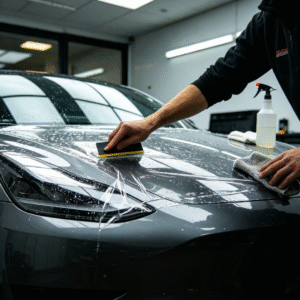
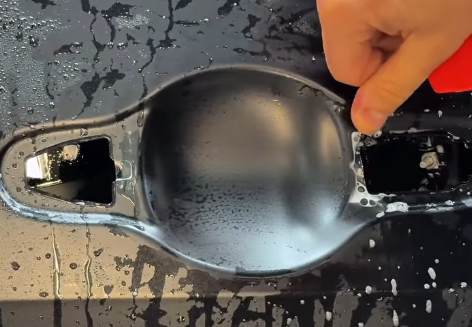
Modern paint protection film PPF is a transparent, multi-layer urethane film installed on top of your vehicle’s clear coat. Leading brands use advanced TPU (thermoplastic polyurethane) constructions that deliver high clarity, elasticity and self-healing properties under heat. That means light swirl marks and fine scratches can “disappear” when the car is parked in the sun or gently warmed with hot water or air.
Compared with older PVC-based films, TPU PPF generally lasts longer, resists yellowing better, and maintains a cleaner, glossier surface over time. This makes it especially important for owners looking at PPF not just as cosmetic protection, but as a long-term investment in the vehicle’s value.
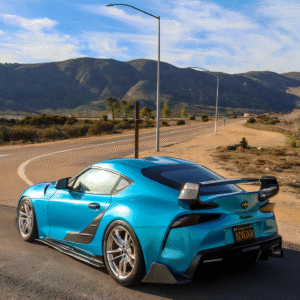
While a traditional vinyl color change focuses on design and aesthetics, PPF is engineered first for impact resistance and self-healing. That is why many owners pair a bold tpu wrap with PPF in high-impact zones like the front bumper, hood and mirrors to get both style and protection.
How Much Does Paint Protection Film PPF Cost in 2025?
Because PPF is sold by coverage area, vehicle size and film brand, pricing varies widely. However, industry cost guides and installer surveys in 2024–2025 show fairly consistent ranges for professional installations:
| Coverage Package | Typical Areas Covered | Approximate Price Range (USD) |
|---|---|---|
| Partial Front | Front bumper, part of hood, mirror caps | $900 – $1,300 |
| Full Front | Full hood, front bumper, fenders, mirrors | $1,400 – $3,000 |
| Track / High Impact Package | Full front, rocker panels, A-pillars, rear splash zones | $2,000 – $4,000 |
| Full Body PPF | All painted exterior surfaces | $3,500 – $9,000+ (luxury & large SUVs) |
These figures reflect professional installation with reputable films, precise pattern cutting or bulk-wrapping techniques, and proper surface preparation. Cheaper quotes usually mean compromises in film quality, installation standards, or warranty—things that can destroy ROI later.
It’s also important to compare PPF costs against the alternative: repainting or repairing damaged paint. Current data from body shops and detailers shows that:
- Single-panel paint repairs for bumpers, hoods or fenders often cost $250–$600 per panel, depending on color, prep work and region.
- Multi-panel damage from gravel, road debris or parking scrapes escalates quickly—several panels can easily exceed $1,000–$2,000 in repairs.
- A proper full-car respray for a mid-range car can be $4,000–$10,000+, especially for metallic or special finishes.
When you look at PPF through that lens, the cost starts to feel less like “expensive film” and more like “pre-paying for protection instead of paying repeatedly for repairs”.
Where Does the ROI of Paint Protection Film PPF Come From?
ROI with PPF is not just about dollars—you also gain time, convenience and peace of mind. But there are three main financial levers that owners care about most.
1. Avoided Paint Repairs and Resprays
Daily driving exposes the front of the car to rock chips, road grit, insects and environmental fallout. Without PPF, those impacts eat directly into your clear coat and color layer. Over a five- to seven-year ownership cycle, it is common for unprotected vehicles to need touch-ups, panel resprays, or heavy paint correction to stay presentable.
If one medium chip repair on the hood plus a bumper respray costs $700–$1,000 combined, you are already halfway to a good full-front PPF package. Two or three repairs over the life of the car can easily surpass the original film investment—yet the paint still won’t look as consistent as a protected car that never needed to be resprayed.
2. Higher Resale Value and Easier Sale
Multiple detailing and resale studies now show that vehicles equipped with well-maintained PPF often command 10–15% higher resale value compared with similar models without documented protection, because buyers see a cleaner exterior and assume better overall care.
For a $40,000 car that later sells around $20,000, a 10% uplift in resale value is an extra $2,000—roughly equal to a quality full-front PPF package. For higher-value and luxury vehicles, the uplift can be even larger, and buyers often specifically look for PPF in the listing.
3. Day-to-Day Convenience and Brand Image
PPF makes regular washing easier, reduces the need for aggressive polishing, and helps the car maintain a “new” look longer. That might not show up directly as a line item in a spreadsheet, but it matters:
- Enthusiasts enjoy the car more when it looks pristine.
- Business owners and professionals protect their image when client-facing vehicles look fresh.
- Leased vehicles are less likely to be penalized for excess wear and tear on return.
Simple ROI Example: Does the Math Work?
Consider a new mid-size sedan valued at $40,000. You choose a high-quality full-front PPF package for $2,000, covering the hood, front bumper, fenders and mirrors.
- Upfront investment: $2,000 for full-front PPF.
- Avoided repairs: Without PPF, assume two paint repairs over 5–6 years at $400 each = $800.
- Resale uplift: With clean original paint and documented PPF, a conservative 10% resale premium on a $20,000 resale value = $2,000.
In this scenario, your total “benefit” from PPF is roughly $2,800 (avoided repairs + resale uplift) against a $2,000 cost, plus the non-monetary benefit of driving a car that looks better every day. While every vehicle and usage pattern is different, this kind of calculation shows why PPF is often described as a smart upgrade rather than a luxury.
Clear PPF vs Color PPF: Which Offers Better ROI?
Not all PPF is invisible anymore. Owners can now choose between:
- Clear PPF – invisible protection that keeps the original color intact. This is ideal for factory paints you already love or high-resale colors. Explore ALUKOVINYL’s clear ppf options for a “new car look” without changing the finish.
- Color PPF – protective films with built-in color and finish (gloss, satin, matte, metallic). These act like a color change color ppf while still providing impact resistance and self-healing.
From an ROI perspective:
- Clear PPF is the safest choice if you want maximum resale value, especially on popular OEM colors.
- Color PPF makes more sense when you want to stand out or match a special theme, while still protecting the original paint underneath for future resale.
Because both clear and colored PPF are removable, you can always revert to the original paint if market preferences or your taste changes, which keeps options flexible when it is time to sell.
Why TPU-Based PPF and Wraps Improve Long-Term ROI
The material behind the film matters as much as the coverage pattern. TPU-based films and wraps typically:
- Offer better elasticity and self-healing compared with older PVC or TPH films.
- Resist yellowing and cracking longer under UV exposure.
- Maintain higher optical clarity, so the paint continues to look glossy and deep.
ALUKOVINYL’s TPU-based PPF and tpu wrap lines are designed specifically for owners who care about performance and durability, not just a temporary visual change. That durability translates directly into ROI because the film continues to perform and look good throughout its rated life, instead of needing to be replaced early due to yellowing or damage.
PPF vs Vinyl Wrap: How to Combine Them for Maximum Value
Many owners still think in terms of “PPF versus wrap”, but the most cost-effective strategy for long-term ownership is often “PPF and wrap” in different zones:
- Use PPF on high-impact areas (front bumper, hood, rocker panels, door edges) where stone chips and scratches hit first.
- Use a high-quality vinyl wrap on less exposed panels to change the look, highlight design lines, or promote your brand.
This hybrid strategy lets you control cost while getting strong protection where it matters most and design flexibility everywhere else.
How to Evaluate a PPF Quote: Cost vs Value Checklist
When comparing quotes from different installers, do not focus only on the bottom-line price. Ask these questions to protect your ROI:
- Which film brand and material are you using? Look for high-quality TPU-based paint protection films with strong warranties.
- What coverage is included? Full hood vs partial hood, wrapped edges vs exposed edges, headlight coverage, etc.
- What is the warranty? Check both manufacturer and installer warranties, including yellowing, cracking and lifting.
- How is the film cut? Precision-cut patterns vs bulk install; both can work if the installer is skilled and consistent.
- What surface prep is included? Decontamination, clay, and light correction are essential for a flawless install under the film.
- What is the shop environment like? Clean, well-lit and temperature-controlled bays reduce dust and installation defects.
The cheapest quote that cuts corners on prep, film quality or coverage will almost always have the worst ROI. It is better to choose a slightly smaller coverage area with a top-tier film than a “full” package with low-grade material and poor workmanship.
Final Thoughts: Making Paint Protection Film PPF Work for Your Budget
Paint protection film PPF is not a magic shield that makes a car invincible—but it does significantly reduce everyday damage, stabilize your car’s appearance, and make it easier to sell at a strong price later. When you look at real-world repaint costs, resale trends, and the time saved on heavy correction work, PPF often moves from “nice-to-have” to “smart financial decision”.
For the strongest ROI:
- Protect high-impact zones early (ideally when the car is new).
- Choose high-quality TPU-based PPF from trusted brands.
- Match your coverage (partial, full front, full body) to how you actually use the car.
- Combine clear and color ppf if you want both protection and a unique look.