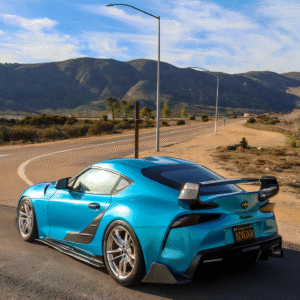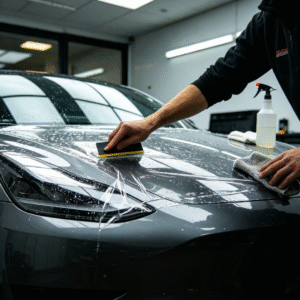
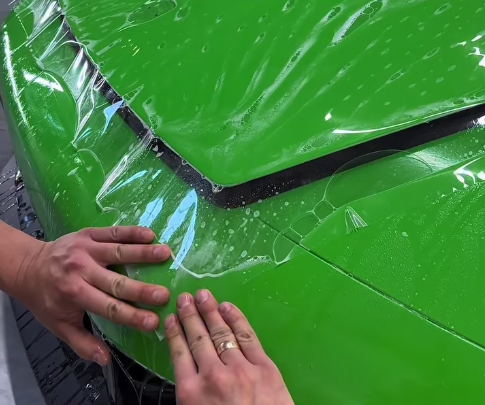
When car owners ask about paint protection film price, they are really asking two questions: “How much will PPF cost up front?” and “Is it worth it over the life of the vehicle?” high-quality paint protection film (PPF) has become a mainstream upgrade, especially for new cars, EVs, and performance vehicles. Price can range from under $1,000 for small partial kits to over $7,000 for full-body installations, depending on film type, coverage, vehicle size, and installer expertise.
What Does Paint Protection Film Cost in 2025?
Recent pricing data from professional detailers and PPF studios shows that complete PPF packages typically fall into four main tiers, depending on how much of the car you cover:
- Partial Front (high-impact zones only) – Often covers the leading edge of the hood, front bumper, part of the fenders, and mirrors. Typical installed cost: around $900–$1,500 for sedans, and up to about $2,500 for larger SUVs and trucks.
- Full Front – Full hood, full front fenders, bumper, mirrors, and sometimes headlights. Commonly priced from about $1,400–$3,000, depending on vehicle size, film brand, and installer.
- Track Pack / High-impact Package – Full front plus rocker panels, A-pillars, door edges, and other chip-prone areas. Many shops list this tier between roughly $2,000–$3,500.
- Full-Body PPF – All painted surfaces wrapped in film. For most modern vehicles, real-world pricing generally runs from $4,500 to $9,000+, especially on larger SUVs or high-end performance cars.
Another way to think about paint protection film price is cost per square foot. Updated guides from installers suggest that quality PPF installed can land in the roughly $7–$15 per square foot range for premium films, while basic films or bulk, non-pattern installs can be cheaper.:contentReference[oaicite:2]{index=2} The wide range reflects not just material cost, but also labor time, computer-cut patterns, and the experience of the installer.
Key Factors That Change Your Paint Protection Film Price
1. Coverage Level and Vehicle Size
Coverage is the single biggest driver of price. A compact sedan with a partial front kit uses far less film and labor than a full-size SUV with full-body coverage. Data from detailing studios shows that for sedans, partial PPF often ranges from about $500–$1,500, while full wraps commonly sit between $1,500–$3,000+. Larger SUVs and trucks can push partial coverage into the $1,000–$2,500 range and full-body coverage into $2,500–$5,000+.
The more complex the body (large bumpers, aggressive aero, deep vents, or wide fender flares), the more time your installer needs to stretch, align, and trim film cleanly. That extra labor shows up directly in the quote.
2. Film Material: TPU vs PVC vs TPH
Not all PPF is created equal. Modern high-end films are typically made from TPU (thermoplastic polyurethane), which offers excellent clarity, flexibility, and self-healing properties. Technical comparisons show that TPU films generally out-perform PVC and TPH (a hybrid polyester) in transparency, self-healing, and lifespan. Many TPU films are rated for 5–10 years, while cheaper PVC-based options may only last 1–3 years before yellowing or cracking.
Because of this, premium TPU products sit at the upper end of the paint protection film price range. Some brands engineer TPU PPF with nano-coatings that self-heal fine scratches under heat and resist UV yellowing for many years, which is why they command higher prices but deliver better long-term value.
3. Installation Complexity and Labor Rates
Labor is a major component of PPF cost. A 100-foot roll of quality PPF (roughly 600 square feet) might cost a shop around $1,500–$1,600 wholesale, but turning that roll into a flawless install requires hours of prep, pattern plotting, trimming, and finishing.
Shops in major metro areas with highly trained installers often charge more per job than smaller, less specialized shops. However, experienced installers tend to waste less film, avoid cutting into paint, and deliver better edge wrapping—all of which affect how well your PPF looks and how long it lasts.
4. Brand Reputation, Warranty & After-Sales Support
Premium brands typically back their films with multi-year warranties covering yellowing, cracking, and delamination. That warranty risk is built into the paint protection film price. Shops that include annual inspections, maintenance top-coats, or free touch-ups may quote higher, but they also protect your investment over time.
Paint Protection Film vs Vinyl Wrap: Where Does the Money Go?
Many owners compare PPF pricing with the cost of a full car wrap. Current car wrap cost guides from automotive sites and wrap specialists suggest full wraps typically range from around $2,000 to $7,000+, depending on vehicle size, material, and finish, with particularly complex or exotic projects pushing above $10,000.
Wraps are primarily cosmetic: you choose color, finish, and texture. PPF is engineered for impact resistance and self-healing, not just appearance. That’s why similar-looking quotes (for example, $4,000 for a full color change and $4,500 for full-body PPF) can represent very different value propositions.
If your priority is a dramatic color change at a lower upfront cost, a high-quality vinyl wrap may be enough. If your focus is rock-chip protection, swirl resistance, and preserving OEM paint, spending more on a premium TPU-based PPF usually makes more sense over the life of the car.
Modern TPU films, like dedicated automotive tpu wrap solutions, sit at the premium end of the paint protection film price spectrum because they combine strong impact resistance, elasticity, and self-healing clear coats—allowing the film to rebound from light scratches and minor scuffs under heat.
You can now choose tinted or color ppf options if you want both protection and a subtle style change (for example, smoky headlight PPF or colored body film). Traditional transparent clear ppf still gives the most OEM-like finish and typically costs slightly less than colorized variants for the same coverage, because pigments and specialty finishes add complexity in manufacturing.
Value Analysis: Is Paint Protection Film Worth the Price?
To judge whether PPF pricing is “high” or “cheap,” you need to compare it to the cost of not protecting the paint. Industry guides consistently note that quality PPF can reduce or eliminate the need for repainting key high-impact areas, which can easily cost $1,000–$3,000 per panel on modern vehicles, and it can help maintain resale value by keeping the original finish intact.
Think of PPF as an insurance policy you can see:
- It absorbs stone chips and sandblast damage on the front bumper and hood, especially for highway and long-distance driving.
- Self-healing top coats minimize wash swirls and light scratches, keeping the car looking new longer.
- For collectors and EV owners, intact factory paint can significantly strengthen trade-in or resale price.
Over a 5–10 year ownership period, a well-installed TPU PPF can easily pay for itself by avoiding even a single major repaint and by boosting resale compared with a chipped, sand-blasted front end.
How to Plan a Realistic PPF Budget
Here’s a simple framework you can use to decide what level of paint protection film price makes sense for your situation:
- Define your ownership horizon. If you plan to keep the car for less than 3 years, a partial front or full front package often makes the most sense. For 5–10 years of ownership, especially on high-value cars, full front or even full-body PPF becomes easier to justify.
- Match coverage to driving reality. Highway commuters, track-day drivers, or people living on gravel or salted winter roads tend to benefit more from aggressive coverage than low-mileage city drivers.
- Choose film type intentionally. Budget-focused owners may accept a shorter-life, lower-cost film. If you want maximum clarity, self-healing, and long warranties, prioritize TPU-based options even though they cost more up front.
- Compare quotes line by line. Make sure you are comparing the same coverage areas, film brands, and warranty terms across installers. A cheaper quote that uses lower-grade film or covers fewer panels may not be the better deal.
A quick rule of thumb: allocating 5–10% of the vehicle’s value to PPF is common among owners who care about long-term appearance and resale. For a $40,000 car, that points to a realistic budget of roughly $2,000–$4,000 for solid protection on the most vulnerable areas.
Final Thoughts: Choosing the Right Paint Protection Film Price for You
The “right” paint protection film price will always depend on your car, your roads, and how long you plan to keep the vehicle. For some owners, a well-chosen partial front kit is enough; for others, a premium TPU full-body solution is the best way to lock in paint quality and resale. By understanding how coverage, material type, labor, and brand affect PPF cost, you can interpret quotes with confidence and invest where protection will matter most.
Whether you lean toward a stylish vinyl wrap, a subtle clear ppf, or a more expressive color ppf on select panels, combining smart coverage with quality materials is the key to getting maximum value from every dollar you invest in your car’s finish.