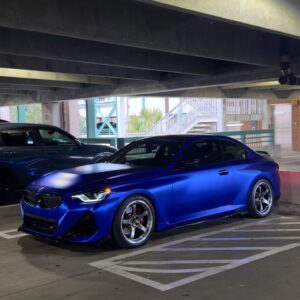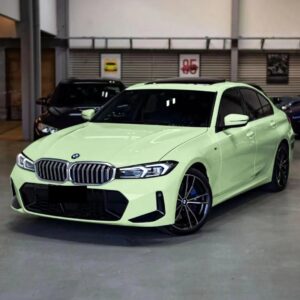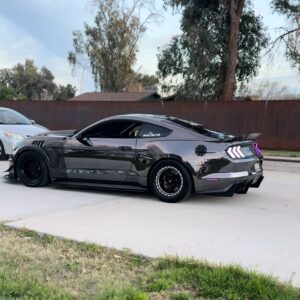

If you’re asking how much does it cost to wrap your car, the honest answer is: it depends on vehicle size, wrap material (cast vs. calendered), finish (matte, gloss, color-shift, chrome), panel complexity, and installer expertise. As of 2025, reputable consumer references place typical full-wrap totals broadly from about $2,000 up to $10,000+, with most daily-driver projects falling in the mid-range and specialty exotics or chrome finishes at the top end.
Price ranges by vehicle type (2025)
Use these ballpark bands to budget, then get quotes from certified installers in your region:
- Compact / small sedans & coupes: ~$2,000–$3,500 for quality color-change wraps; simpler shapes and less surface area keep costs down.
- Family sedans & crossovers: commonly $2,500–$5,000 depending on finish, panel count, and paint-prep needs.
- SUVs (mid & full-size): typically $3,000–$6,500 because of increased square footage and more complex bumpers/arches.
- Pickups & vans: about $1,500–$6,000+ depending on cab/bed length and whether interiors/door jambs are wrapped.
- Sports/exotics & specialty finishes (chrome, color-shift): expect $6,000–$12,000+ thanks to intricate curves and premium films.
These national ranges align with mainstream consumer guidance (e.g., Kelley Blue Book’s ~$2,000 to $10,000+ spread), but regional labor rates and finish choices can move your quote up or down.
What drives wrap cost
- Vehicle size & surface area. More panels and square footage = more film, more labor.
- Finish & film system. Standard colors cost less than satin, metallic, color-shift, or chrome. Premium cast films also price higher than economy calendered films.
- Complexity. Deep recesses, aggressive curves, roof rails, splitters, and door-jamb wrapping increase time and skill.
- Paint prep & disassembly. Proper degreasing, clay, minor decontamination, and safe trim removal add labor but improve results and longevity.
If your priority is a specific look, browse finish families to align budget and style—e.g., gloss vinyl wrap for high-shine, matte vinyl wrap for a stealth look, or deep neutrals via black car wrap. For an overview of materials and colors, start at our vinyl wrap hub.
Cast vs. calendered films (and warranties)
Cast vinyl is generally thinner, more conformable, and longer-lasting—ideal for complex curves and full color-changes. Calendered vinyl is thicker and more budget-friendly, best on flatter surfaces or short-/mid-term projects. Major film makers describe cast as the premium choice for complex vehicle wraps, with calendered positioned for simpler geometry or shorter service life.
Warranty and durability depend on brand, exposure, and orientation. For example, 3M notes roll widths up to 60 inches and an MCS-backed warranty with up to ~8 years (vertical) on certain Series 2080 applications; horizontal surfaces are typically shorter. Always check the specific product’s bulletin for your region and exposure.
DIY estimate: film area & removal costs
Curious whether your quote “makes sense”? A quick way to sanity-check is to consider film area + labor hours:
- Film area: Many installers plan roughly ~250 sq ft of vinyl for a typical car, then add a 10–20% overage for alignment, overlaps, and mistakes (≈275–300 sq ft total).
- Roll width: Premium lines ship in widths up to 60 in, which reduces seams and speeds installs on large panels.
- Removal costs: Professionally removing a healthy wrap often runs about $500–$1,000, but can be higher if the film has fused to aged paint or clear coat.
Ways to save—without regret
- Targeted coverage. If you love two-tone or only want high-impact zones (hood/roof or just body color-change without door jambs), you can trim hours and material.
- Choose the right film tier. If your vehicle has gentle curves and you plan a shorter ownership window, a quality calendered film can reduce cost; for long-term ownership or tight bodywork, cast is worth it.
- Mind specialty finishes. Chrome and complex color-shifts look incredible but add time, difficulty, and waste—budget accordingly.
- Vet warranties & installers. Ask for the product data sheet and warranty card (orientation matters). Look for authorized networks that follow surface-prep standards and provide written care guides.
Budget snapshot
| Vehicle Type | Typical Full-Wrap Range (USD) | Notes |
|---|---|---|
| Compact / Small Sedan | $2,000–$3,500 | Least material & labor; finish choice drives variance. |
| Family Sedan / Crossover | $2,500–$5,000 | More panels and prep than compacts. |
| Mid / Full-size SUV | $3,000–$6,500 | Higher square footage & bumpers/arches. |
| Pickup / Van | $1,500–$6,000+ | Varies widely with cab/bed length & jamb wrapping. |
| Sports / Exotic | $6,000–$12,000+ | Premium films & complex curves. |
Ranges reflect national guidance from mainstream sources; local quotes vary with labor rates and project scope.
Next steps
Decide your target finish and coverage, then request itemized quotes (material, labor, prep, disassembly, jambs, and removal). If you’re still exploring finishes, compare families like gloss vs. matte, or benchmark neutrals with black. For a broader overview of colors and textures, our vinyl wrap catalog is a great place to start.