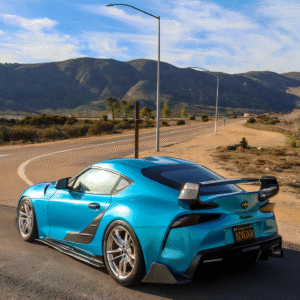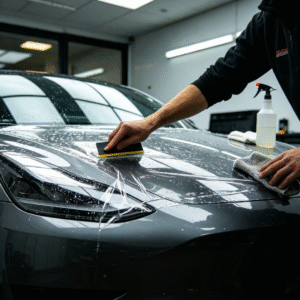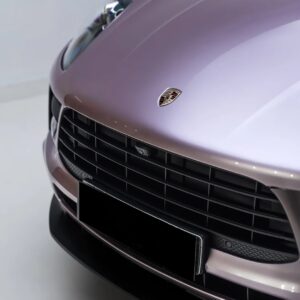

In 2025, auto wrap solutions have moved beyond simple color changes. Owners want OEM-level finishes, measurable durability, and pricing that makes sense versus repainting. High-quality vinyl and TPU films now offer 5–7+ years of lifespan, self-healing protection, and bolder color options, making wraps one of the most efficient ways to personalize and protect a daily driver or weekend car.
How Auto Wrap Pricing Works in 2025
Most reputable shops now quote full-wrap jobs based on vehicle size, film type, and surface complexity rather than guesswork. Across recent 2025 market data, quality vinyl materials generally land around $10–$25 per sq ft installed, while specialty chrome, color-shift, or textured films can push effective rates higher due to harder installation and waste. Full wraps for compact sedans often sit in the $2,000–$4,000 range; SUVs and performance vehicles typically fall between $3,000–$6,000+, with premium specialty finishes at the top end.
Choosing a trusted supplier such as ALUKOVINYL for your car wrap ensures consistent film thickness, stable adhesive, and documented performance data—key factors behind those price differences.
1. Gloss Finish Auto Wrap
Gloss wraps mimic fresh factory paint and remain the most popular choice for daily drivers. They provide a clean, reflective look with wide color availability and are usually the most budget-friendly option. In 2025, gloss vinyl is ideal for owners wanting a “new car” feel without permanent paintwork, with typical installs at the lower to mid-range of the pricing spectrum.
2. Matte Auto Wrap
Matte finishes create a stealth, modern aesthetic that’s still trending strongly in 2025. Demand has grown particularly for matte blacks, graphite tones, and desaturated blues and greens, reflecting broader design shifts toward expressive but refined color. Matte wraps require careful maintenance to avoid glossy spots, but high-quality films from specialist brands maintain even texture for years when installed correctly.
3. Satin Auto Wrap
Satin bridges gloss and matte: a soft sheen, more depth than pure matte, and easier maintenance. It’s become a top pick for performance coupes and luxury sedans because it highlights body lines without being too flashy. Pricing typically tracks close to matte; for many owners it’s the best value “premium” finish.
4. Metallic Auto Wrap
Metallic wraps add fine flake or depth to emulate high-end paint systems. In 2025, deep purples, emerald greens, copper, bronze, and muted golds are especially popular and align with broader color trends toward richer, more characterful tones. Expect slightly higher material and install costs versus standard gloss due to alignment and finish sensitivity.
5. Color-Shift (Chameleon) Auto Wrap
Color-shift films change hue with viewing angle and light, delivering a dramatic, custom look. These require meticulous installation and generate more off-cut waste, so they usually sit in the upper pricing tier. For owners wanting maximum visual impact for shows, content creation, or brand presence, this is one of 2025’s strongest attention-grabbing options.
6. Chrome & Mirror Auto Wrap
Chrome, brushed metal, and mirror wraps are niche but still relevant for statement builds. They are technically demanding, less forgiving on imperfect prep, and often restricted by local regulations in some regions due to reflectivity. As a result, they’re among the most expensive auto wrap categories and best reserved for partial accents or experienced installers.
7. Carbon Fiber & Textured Auto Wrap
Carbon fiber, honeycomb, brushed, and other textured films provide a motorsport-inspired or industrial aesthetic, commonly used on roofs, hoods, mirrors, and interior trims. Costs are moderate to high depending on brand, but the big win is targeted customization without committing to a full-car change.
8. TPU Colored PPF (Hybrid Style + Protection)
For drivers who want both impact resistance and a custom color, TPU colored PPF is one of the most important 2025 innovations. These films merge PPF-grade self-healing and UV resistance with bold solid or metallic hues—ideal for high-value vehicles and long-term ownership. Alukovinyl’s colored TPU PPF range showcases 300+ tones with quantified durability and weathering specs for data-driven decisions. Pricing generally exceeds standard vinyl but undercuts frequent repainting or resprays over the car’s life.
9. Clear Gloss PPF Auto Wrap (Invisible Armor)
Clear PPF “wraps” are the go-to for owners who love their OEM paint but want rock-chip and UV protection. Modern high-end films offer self-healing topcoats, 8 mil-class thickness, and 5–10 year warranties. Alukovinyl’s paint protection film and PPF wrap lines align with these specs, giving an invisible shield that’s now widely considered standard for new performance cars and premium daily drivers.
10. Matte / Stealth PPF Auto Wrap
Matte or “stealth” PPF converts gloss factory paint into a satin/matte finish while preserving protection—essentially combining Option 2 and Option 9. It’s ideal for owners who want a subtle, high-end look with serious resistance to chips, wash swirls, and fading. Products like Alukovinyl’s matte clear car wrap deliver this dual benefit and typically price slightly above clear gloss PPF due to finish sensitivity.
How to Choose the Right Auto Wrap in 2025
Shortlist your options by asking three questions:
- Protection vs. style: If you prioritize resale and daily durability, lean toward clear or colored PPF; if you want frequent style changes, opt for high-quality vinyl.
- Budget vs. complexity: Gloss, matte, and satin wraps are cost-efficient; chrome and complex color-shifts belong at the top of the price ladder.
- Brand & data: Choose films and suppliers that publish thickness, adhesive type, UV resistance, and test data—an area where ALUKOVINYL has leaned into transparent specifications.
By aligning finish, budget, and technical performance, you can turn your next auto wrap into a long-lasting upgrade instead of a short-term experiment.