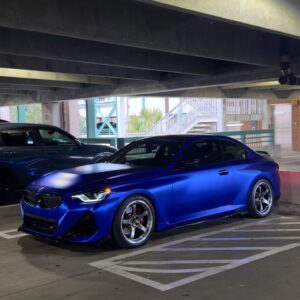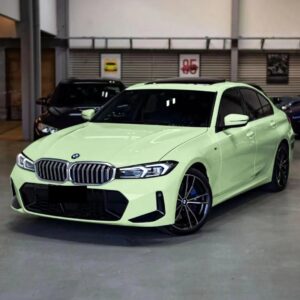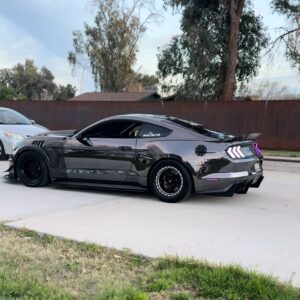
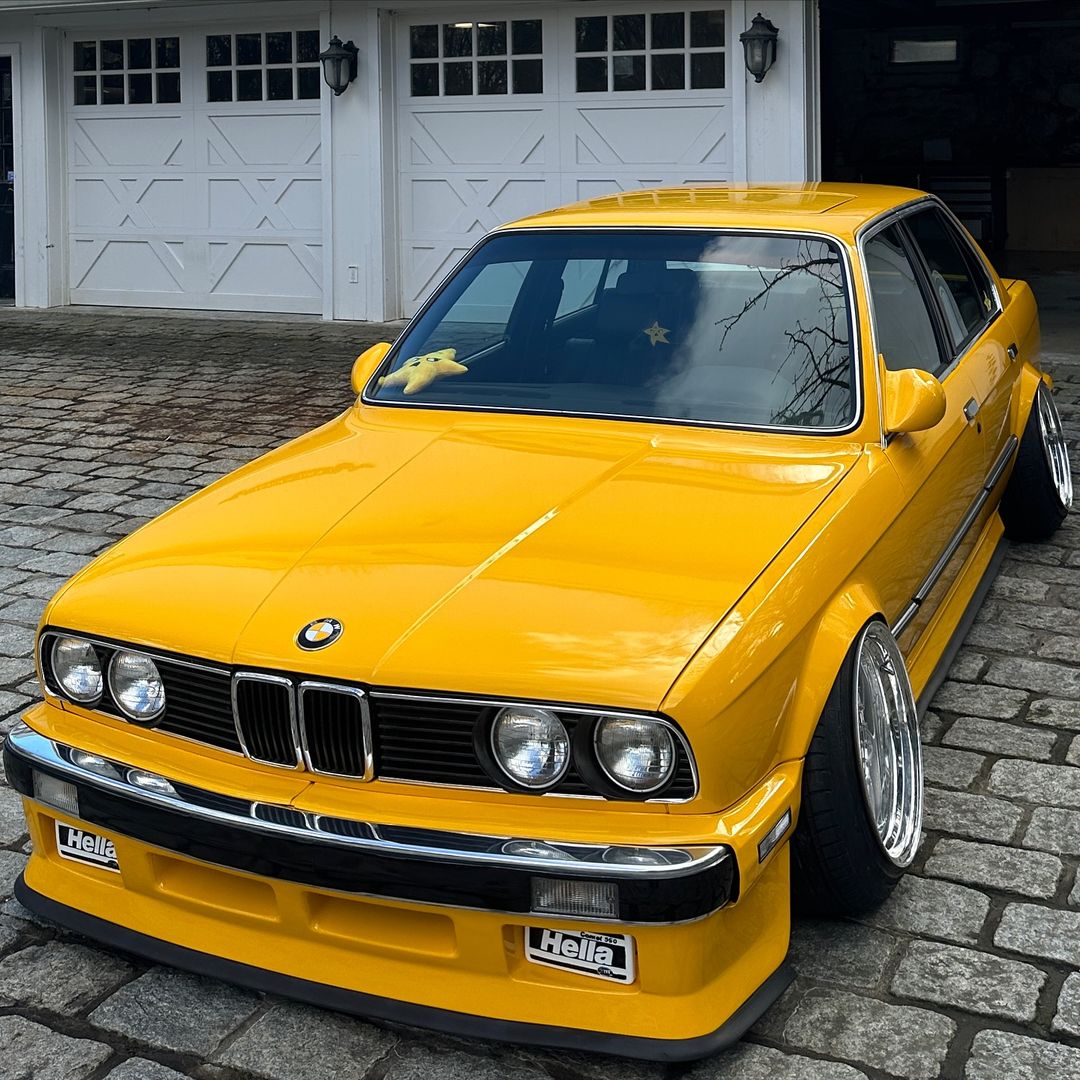
Few pairings command attention like Sunflower Yellow set against Battleship Grey. The combination balances optimism and grit—eye-catching warmth framed by industrial cool. In automotive customization, this duo turns ordinary panels into sculpted highlights, giving even restrained body lines a purposeful, performance-ready stance. Below, we break down why the pairing works, how to deploy it on different vehicle styles, and what to consider for long-term durability and maintenance.
Why Sunflower Yellow × Battleship Grey Works
- Luminance contrast: Sunflower Yellow carries high perceived brightness, so it “lifts” creases and edges, while mid-tone Battleship Grey grounds the silhouette for visual stability.
- Color psychology: Yellow signals energy and visibility; grey suggests precision and engineering—ideal for builds that want both personality and seriousness.
- Photogenic under real light: Yellow pops in sun and streetlight; grey keeps reflections controlled, preventing the look from becoming overly busy in photos or video.
If you are new to wraps, start by browsing core categories and hero colors at ALUKOVINYL. For a broad overview of finishes, materials, and applications, see the site’s home for vinyl wrap. When you’re ready to focus on yellow tones and accents, the dedicated collection for yellow car wrap helps narrow options by gloss level and texture.
Finish Strategies: Gloss, Satin, or Matte?
The finish you choose determines whether the build reads “show car,” “factory-plus,” or “stealth performance.” A high-gloss grey with gloss yellow stripes screams motorsport, while matte grey with gloss yellow accents produces a sharper, aerospace feel. For customers who want maximum sparkle and depth on the yellow elements, explore the curated options for gloss yellow wrap.
- Gloss on gloss: Classic, reflective, and media-friendly. Great for bold racing liveries.
- Matte/Satin grey + Gloss yellow: Most contrast in texture and luminance; the yellow reads like liquid metal against a stealth base.
- Textured pairings: Consider subtle brushed or metallic greys with smooth yellow accents for added dimensionality without resorting to loud color shifts.
Layout Ideas That Maximize Contrast
The secret of a premium result is not only the color duo but also where you place it. These patterns leverage vehicle geometry and installer efficiency:
- Primary base in Battleship Grey, Sunflower accents: Use yellow on mirrors, roof, spoiler, lower sills, and brake-duct lines. This keeps respray risk low and maximizes pop where the eye travels.
- Two-tone beltline: Wrap the lower half in grey and the upper surfaces (hood bulge/roof) with Sunflower Yellow to visually lower the car and emphasize stance.
- Motorsport stripes & number panels: Grey body with Sunflower center stripe and side number rectangles—timeless on coupes and hatches.
- Geo-accent kit: Angular yellow chevrons on doors and quarters add speed lines to minimalist EV designs.
Vehicle-Specific Guidance
- Performance coupes/sedans: Emphasize hood vents, rocker lines, and diffuser edges in yellow; keep the mass in grey for a track-bred vibe.
- Compact hatches: Yellow roof + grey body is playful and balanced, especially with dark wheel finishes.
- SUVs & trucks: Grey base with yellow tow-hook, skid-plate, and roof-rail accents conveys capability without looking flashy.
- EVs: Minimalist exteriors benefit from crisp, thin yellow pinstripes to define curvature without breaking efficiency-minded aesthetics.
Material & Installer Notes
High-quality wrap films offer dimensional stability, air-release channels for cleaner installs, and paint-safe adhesives for future removal. Grey panels—especially large, flat sections like doors and quarter panels—benefit from materials with reliable tack and low “orange peel” to keep reflections uniform. For the yellow elements, a film engineered to maintain chroma over time helps resist UV fade and keeps the contrast dramatic. If your project calls for a hero yellow with premium surface clarity and depth, evaluate ALUKOVINYL’s dedicated sunflower yellow wrap.
Care & Longevity: Keeping Contrast Crisp
- Wash method: Hand-wash with a pH-neutral shampoo and soft microfiber. Avoid abrasive brushes.
- Decontamination: Remove bird droppings, tree sap, and road tar promptly to prevent staining, which is more visible on high-chroma yellow.
- Protection: Wrap-safe toppers or coatings can make washing easier and reduce micro-marring on gloss finishes.
- Edges & seams: Inspect high-turbulence areas (front bumper, wheel arches) seasonally; touch-ups keep the job looking fresh.
Common Mistakes (and Easy Fixes)
- Overusing yellow: Sunflower is powerful; use it to outline form, not overwhelm it. Keep the base grey dominant for sophistication.
- Ignoring panel flow: Place stripes along factory creases and aerodynamic lines; avoid cutting stripes across panel gaps at awkward angles.
- Mismatched textures: If you run matte grey, be intentional about where gloss yellow appears—tighten to mirrors, spoilers, and thin beltline graphics for contrast with purpose.
Inspiration Checklist
Before you finalize your spec, assemble a quick mood board: one image for a full grey base, one for yellow accent placement, a closeup of the exact finish level you want (gloss or matte), and a wheel/tire stance target. With these four elements set, you and your installer can plan material yields, seam placements, and production timing with fewer revisions and cleaner results.
Bottom Line
Sunflower Yellow and Battleship Grey is a high-contrast pairing that reads modern, athletic, and intentional. With smart finish choices and disciplined layout, the duo can make a daily driver feel concept-car fresh—without sacrificing the restraint that keeps a build timeless. Whether you’re going for a motorsport stripe pack or a subtle two-tone, this palette proves that great design is less about loudness and more about balance.