Focus keyword: high gloss black ppf
1. Why Paint Protection Matters
Whether your vehicle is a daily commuter or a weekend show car, preserving the finish is vital. Road debris, rock chips, bug splatter, tree sap, UV rays, acid rain, and swirl marks all conspire to degrade your paint over time. By investing in a protection layer you preserve resale value, keep aesthetics pristine and reduce long-term maintenance headaches.
2. What is Paint Protection Film (PPF) and high gloss black PPF?
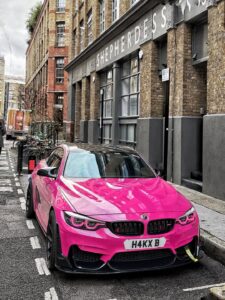
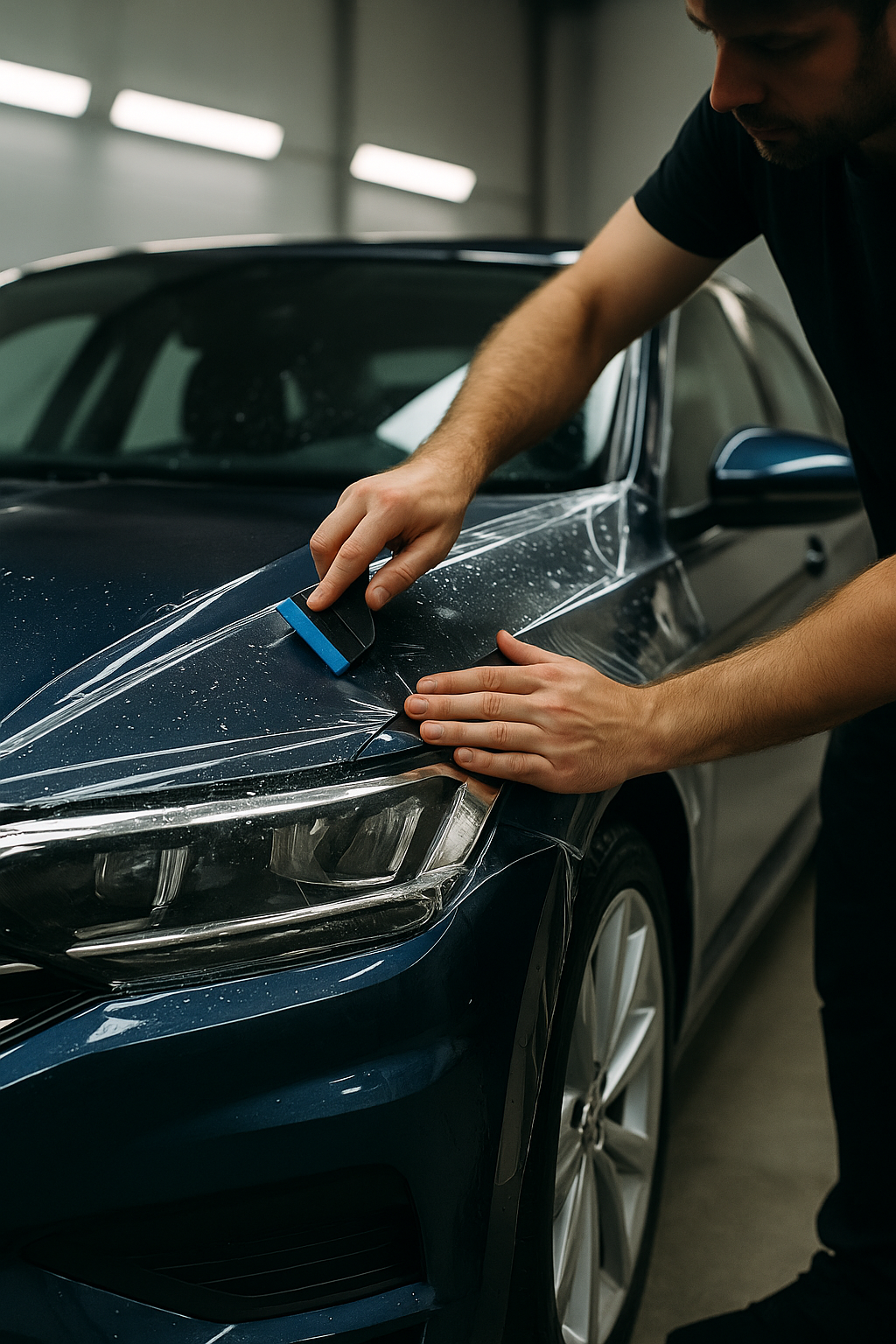
Paint Protection Film (PPF) is a transparent (or optionally tinted/coloured) urethane film applied to the painted surface of a vehicle. High gloss black PPF refers to a film version with a black, high-gloss finish (rather than clear) that offers the same protective benefits while delivering a sleek “deep black” aesthetic — ideal for vehicles where the finish matters as much as the protection.
Key features often include:
- Thickness and physical barrier – able to absorb rock chips, minor scratches and abrasions.
- Self-healing top layer (in premium films) where minor swirl marks can disappear with heat.
- Longer lifespan — premium films last 5-10 years or more with proper care.
At the same time, high gloss black PPF can serve as a style statement while protecting your paint — especially when installed by a professional.
3. What is Ceramic Coating?
Ceramic coating is a liquid polymer (commonly silicon dioxide (SiO₂)-based) that chemically bonds with the clear coat of your vehicle’s paint. The result: a hydrophobic, glossy layer that repels water, eases cleaning, offers UV/oxidation protection and enhances shine.
Main advantages:
- Hydrophobic behaviour — water beads and rolls off, taking contaminants with it.
- Improved gloss and “show-car” finish.
- Protects against chemical etching (bird droppings, acid rain), UV damage and oxidation.
However, ceramic coatings are thinner than films and do not provide the same level of physical barrier against rock chips or heavy abrasions.
4. Side-by-Side Comparison
Here’s a breakdown comparing key factors between PPF (especially high gloss black PPF) and ceramic coating:
| Factor | High Gloss Black PPF | Ceramic Coating |
|---|---|---|
| Protection vs rock chips/scratches | Excellent – thick film absorbs impact very well. | Limited – mainly protects from chemical/UV damage, not heavy impact. |
| Lifespan | Typically 5-10 years or more in good films. | Typically 2-5 years (depends on product & maintenance). |
| Gloss / aesthetic impact | High gloss black PPF gives deep black mirror-finish look and protective barrier. | Adds glossy, showroom-shine finish and hydrophobic effect. |
| Maintenance | Relatively low once applied; fewer wash-care concerns though edges should be monitored. | Easier cleaning due to hydrophobic properties, but still requires upkeep and possible reapplication. |
| Cost / Installation complexity | Higher cost, especially full-vehicle; requires skilled installer for seamless finish. | Lower upfront cost; still requires professional prep for best results. |
Note: If your driving conditions involve gravel roads, highway debris, or you keep your vehicle long term, film protection may give greater value despite higher cost.
5. Which One Should You Choose?
The right solution depends on your vehicle usage, your priorities, and budget. Here’s how to decide:
- Prioritize physical protection: If you drive often at high speeds, on gravel or rough roads, or you want to preserve the factory paint for many years, then go with a high-quality film such as high gloss black PPF.
- Prioritize show-car gloss and easy cleaning: If your vehicle stays mostly on smooth roads or in urban environments and you want hydrophobic shine and ease of washing, a ceramic coating is an excellent choice.
- Budget and longevity: If you plan to keep the car for 5-10+ years, the higher cost of film tends to pay off. For shorter-term ownership, ceramic coating may suffice.
And remember – via our page on Clear Paint Protection Film you can opt for clear PPF in key impact zones, and via our ALUKO TPU Car Wrap solutions you can even match colour or finish aesthetics while protecting.
6. Can You Combine Them?
Absolutely. Many vehicle owners choose the best of both worlds: install film on high-impact areas (front bumper, hood, mirrors, rocker panels) and apply ceramic coating over the film and the rest of the car. Industry publications note this combo gives the physical barrier of PPF along with the hydrophobic & gloss benefits of ceramic coating.
This layered approach is particularly smart when you’ve invested in premium finishes like high gloss black PPF and want to preserve both the aesthetic and the protection.
7. Conclusion
To sum up: if your key concern is physical damage—rock chips, gravel road debris, scratches—then choose a top-quality PPF (especially if coloured finish like high gloss black PPF is part of your design aesthetic). If your priority is a high-shine finish, easy maintenance and repelling contaminants, then a ceramic coating might serve you well.
At ALUKO we offer premium protective solutions via our Paint Protection Film line, clear film options, and car wrap finishes. Whatever your vehicle and finish style, choosing the right protection begins with understanding your needs.
FAQ
- Q: Does high gloss black PPF alter the vehicle’s appearance?
- A: No — when properly installed, the film conforms tightly, edge transitions are invisible, and the high gloss finish enhances depth while maintaining the original or desired colour.
- Q: How often do I need to reapply ceramic coating?
- A: Most ceramic coatings last 2-5 years depending on product and maintenance. After that, a refresh or top-up may be advised.
- Q: Can I install PPF myself?
- A: While DIY kits exist, professional installation is strongly recommended to avoid visible edges, lifting or damage—especially for film with gloss finish like high gloss black PPF.
- Q: If I already have a vehicle wrapped in a coloured film, can I still add ceramic coating?
- A: Yes — you can apply ceramic coating over a properly installed film or wrap to add hydrophobic gloss and ease of maintenance to the finish.