If you’re weighing ceramic coating vs paint protection film, you’re really deciding between “smoother cleanup and gloss” versus “physical impact defense.” This guide breaks down when to choose each—and when a smart combo delivers the best of both worlds.
What Paint Protection Film (PPF) actually does
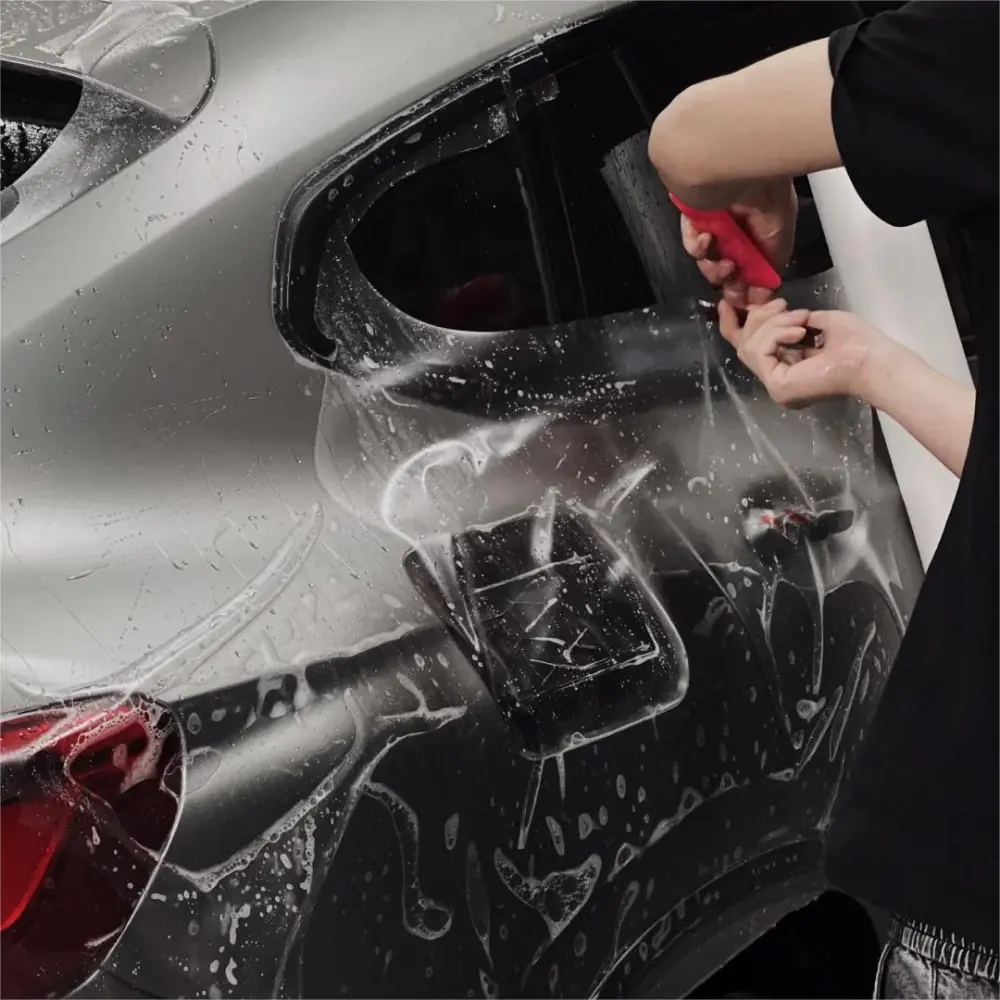
Paint Protection Film is a clear, urethane layer designed to absorb the abuse that would otherwise reach your paint—things like rock strikes, pebble spray, road salt, and wash marring. Premium films feature “self-healing” top coats that reflow minor swirls when warmed by sun or hot water. For a deeper dive into options and coverage kits, see our in-house overview of paint protection film.
What ceramic coatings actually do
Ceramic coatings are liquid polymers that bond to paint and create a slick, hydrophobic surface. The result is easier washing, slower oxidation and fading, and that deep-gloss “just detailed” look. They are not a thick armor layer; rather, they’re a microns-thin shell that adds chemical/UV resistance and reduces micro-marring from gentle contact. For a neutral overview of how coatings behave in the real world, see Car & Driver’s explainer on what ceramic coatings do.
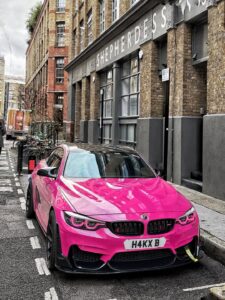
If changing color or finish is your priority (gloss, satin, or matte) rather than a pure protective treatment, explore a transformation with a quality vinyl wrap.
Side-by-side comparison
| Category | PPF (Paint Protection Film) | Ceramic Coating |
|---|---|---|
| Primary Benefit | Physical impact defense against rock chips, road rash, and scratches; self-healing clear coat on premium films. | Hydrophobic, high-gloss finish that resists UV and chemicals; easier wash routines and slower oxidation. |
| Typical Thickness | Multiple mils of urethane (substantial barrier). | Microns-thin (not designed to absorb rock impacts). |
| Appearance | High clarity; available in clear or fashion tints/finishes (see colored PPF). | Amplifies gloss and depth; can also be used over matte finishes to preserve the look without adding shine. |
| Maintenance | Wash as usual; avoid aggressive solvents; occasional top-coat refreshes keep it slick and clear. | Regular gentle washes; avoid harsh chemicals; decontaminate periodically; topper sprays maintain hydrophobics. |
| Typical Coverage | High-impact zones (front bumper, hood, fenders, mirrors) up to full-body installs. | Whole exterior (paint, and sometimes trim/wheels) as a single uniform layer. |
| Best For | Highway commuters, winter driving, low ground-clearance cars, and anyone picky about chip-free paint. | Low-effort washing, deep gloss, UV/chemical defense; ideal on top of PPF to keep film cleaner longer. |
| Combo Strategy | PPF on strike zones + ceramic coating on top and on remaining panels for an “impact + hydrophobic” package. | |
Which is right for you? Scenarios & recommendations
Daily highway commuter
- Prioritize PPF on the front bumper, hood leading edge, fenders, and mirror caps.
- Add ceramic coating over PPF and the rest of the paint to reduce wash time.
City driver / tight parking
- PPF for door edges, cups, trunk sill, and bumper tops to prevent scuffs.
- Ceramic to resist grime, water spots, and bird droppings.
Show car / weekend cruiser
- Full-body PPF for flawless, chip-free paint.
- High-gloss ceramic top coat to maximize depth and slickness.
Working vehicle / long winters
- PPF on high-wear panels to resist salt, sand, and ice brush marring.
- Ceramic on remaining panels for easy de-icing and cleanup.
Want color plus protection? Our TPU-based colored PPF merges style with impact resistance—great for differentiating your vehicle while keeping chips at bay.
Should you combine PPF and ceramic coating?
Short answer: yes, especially if you rack up highway miles or want minimal maintenance. The classic recipe is PPF on the “strike zones,” ceramic on top. You can then coat the remaining panels (roof/doors/trunk) for uniform water behavior and gloss. Explore coverage and kit options on our paint protection film page, and consider a finish change later with a vinyl wrap if your tastes evolve.
Care & maintenance tips
For PPF
- Use pH-neutral shampoos; avoid abrasive pads.
- Warm water (or sun) will help self-heal light swirls on premium films.
- Decontaminate gently; avoid strong solvents or petroleum distillates.
For Ceramic Coating
- Two-bucket wash or foam pre-soak to minimize micro-marring.
- Use silica-friendly toppers every few months to refresh hydrophobics.
- Avoid harsh acids/alkalines; rinse bird droppings and salt promptly.
Quick FAQs
Will ceramic coating stop rock chips?
No—coatings are thin and excel at gloss and chemical/UV resistance. For rock-chip mitigation, choose PPF first.
Can I put ceramic coating over PPF?
Yes. Many owners coat their film to repel dirt and water, keeping the film cleaner and glossier for longer.
Is PPF visible?
Quality films are highly clear. On complex edges, a trained installer can tuck edges and pattern-cut for a nearly invisible finish.
What if I want a new color and protection?
Consider colored PPF to change the finish with real impact resistance, or a classic vinyl wrap if protection is secondary to aesthetics.