Car paintwork protection is no longer one-size-fits-all. In 2025, the three most popular options—paint protection film (PPF), ceramic coatings, and vinyl wrap—offer different levels of impact resistance, gloss, maintenance, and cost. This guide uses current, reputable data to help you pick the right solution for your vehicle, driving conditions, and budget.
What each option is (and isn’t)
Paint Protection Film (PPF) is a clear, urethane film applied to high-impact areas (or the full vehicle) to absorb rock chips and abrasion. Leading films carry manufacturer 10-year limited warranties and feature heat-activated self-healing topcoats. Many mainstream products are ~8 mil thick, balancing clarity with impact resistance.
Ceramic coatings are liquid polymer layers that bond to clear coat to add chemical and UV resistance and make washing easier. They do not stop rock chips like PPF, but they keep paint slick and glossy for years when properly maintained. Professional-grade coatings can last several years depending on product quality, prep, and care.
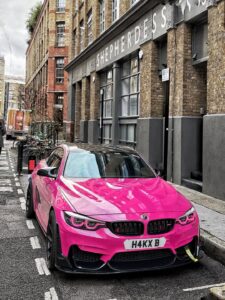
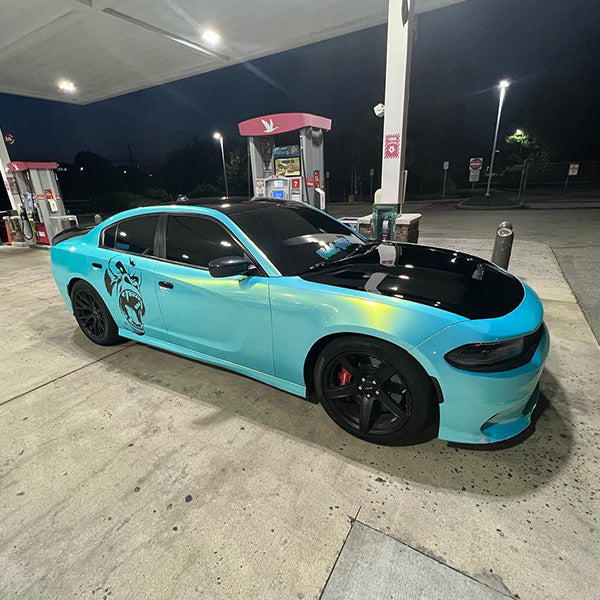
Vinyl wrap changes the vehicle’s color/finish while adding a sacrificial layer against light scuffs and weathering. It’s chosen primarily for design flexibility and uniform finish rather than maximum chip resistance. Typical full-vehicle wrap projects start around $2,000 and scale with size, finish, and complexity.
2025 cost comparison
PPF pricing varies by coverage. As a current reference point: partial or front-end PPF packages commonly come in under roughly $2,500, while full-car PPF coverage is typically about $4,000–$7,000, depending on vehicle size and film/installer. A detailed 2025 breakdown across common packages shows partial-front from about $900–$1,300, full-front $1,400–$1,900, “track pack” $2,000–$3,000, and full-body $4,500–$7,000+.
Ceramic coating pricing depends on vehicle size and paint correction. As of 2025, mainstream references place pro installs roughly in the ~$800–$1,500+ range for many vehicles, with higher-tier packages exceeding that.
Vinyl wrap pricing for a full-vehicle color change typically starts around $2,000 and rises with specialty finishes (e.g., satin, color-shift, chrome) and complex panels.
Benefits, durability & maintenance
PPF — best for impact protection. PPF is engineered to take the brunt of debris. Leading films (e.g., XPEL, 3M, SunTek) advertise self-healing topcoats that can reduce the appearance of minor swirls when warmed, plus manufacturer 10-year limited warranties when installed by authorized professionals. Many popular films specify ~8 mil thickness (≈0.2 mm) for balanced impact resistance and optical clarity.
Ceramic coatings — best for chemical & UV resistance with easy wash-downs. Coatings enhance gloss, hydrophobicity, and resistance to stains/oxidation. They don’t prevent rock chips like PPF, but they keep paint looking newer, longer, with proper wash routines. Reputable testing/guides note that pro-level coatings can last several years depending on prep and care.
Vinyl wrap — best for design flexibility at a mid-range cost. Wraps deliver fast, reversible color/finish changes while adding a sacrificial layer against light abrasion. They’re not a substitute for PPF on high-impact zones, but they pair well with selective PPF (e.g., full-front PPF + full-body wrap) for aesthetics plus chip resistance. Cost guidance remains that quality wraps start around $2,000 and climb with finish and complexity.
Which should you choose?
- Highway commuters / new vehicle delivery: Prioritize paint protection film on impact zones (bumper, hood, fenders, mirrors). Add a ceramic coating on top for ease of washing.
- Show builds / brand visuals: Choose a full vinyl wrap for consistent color/finish; combine with front-end PPF if you drive frequently at speed.
- Daily drivers seeking low-maintenance shine: A professional ceramic coating gives years of easy cleaning and gloss; pair with partial PPF if you want stone-chip protection without the cost of full-body film.
Tip: If you want protection without changing your paint’s look, consider clear paint protection film (matte options also exist for a satin transformation without a wrap color change). Major brands back their films with 10-year limited warranties when properly installed.
At-a-glance comparison (2025)
| Option | Primary Benefit | Typical 2025 Cost | Expected Longevity* | Notes |
|---|---|---|---|---|
| Paint Protection Film (PPF) | Best against chips/abrasion | Partial/front often <~$2,500; full body ≈ $4,000–$7,000+ | Up to 10-year limited manufacturer warranties | Self-healing topcoats; common thickness ~8 mil |
| Ceramic Coating | Gloss, hydrophobic, chemical & UV resistance | Commonly ~$800–$1,500+ (varies by prep/vehicle) | Several years with proper prep & care | Does not stop rock chips like PPF |
| Vinyl Wrap | Color/finish change + light protection | Often starts ≈ $2,000 and up | Multi-year lifespan varies by film, exposure, care | Pair with selective PPF on impact zones |
*Longevity and warranties depend on brand, installer accreditation, care, environment, and usage. Cost ranges reflect mainstream U.S. market references and vary by region and vehicle.
Why buy from specialists
Leading film manufacturers publicly list warranty terms and product specs, and their authorized networks use pattern libraries and installation standards that help ensure consistency and reduce waste. Checking brand-backed warranties (often up to 10 years) and film specifications (e.g., ~8 mil PPF) is a reliable way to compare offerings before you book.
Bottom line
If your priority is stopping stone chips on a new or cherished car, start with paint protection film. If you want low-maintenance gloss and easier washing, a professional ceramic coating is a solid value. For a dramatic, reversible color/finish change with moderate protection, choose a full vinyl wrap; combine it with targeted PPF for the best of both worlds.