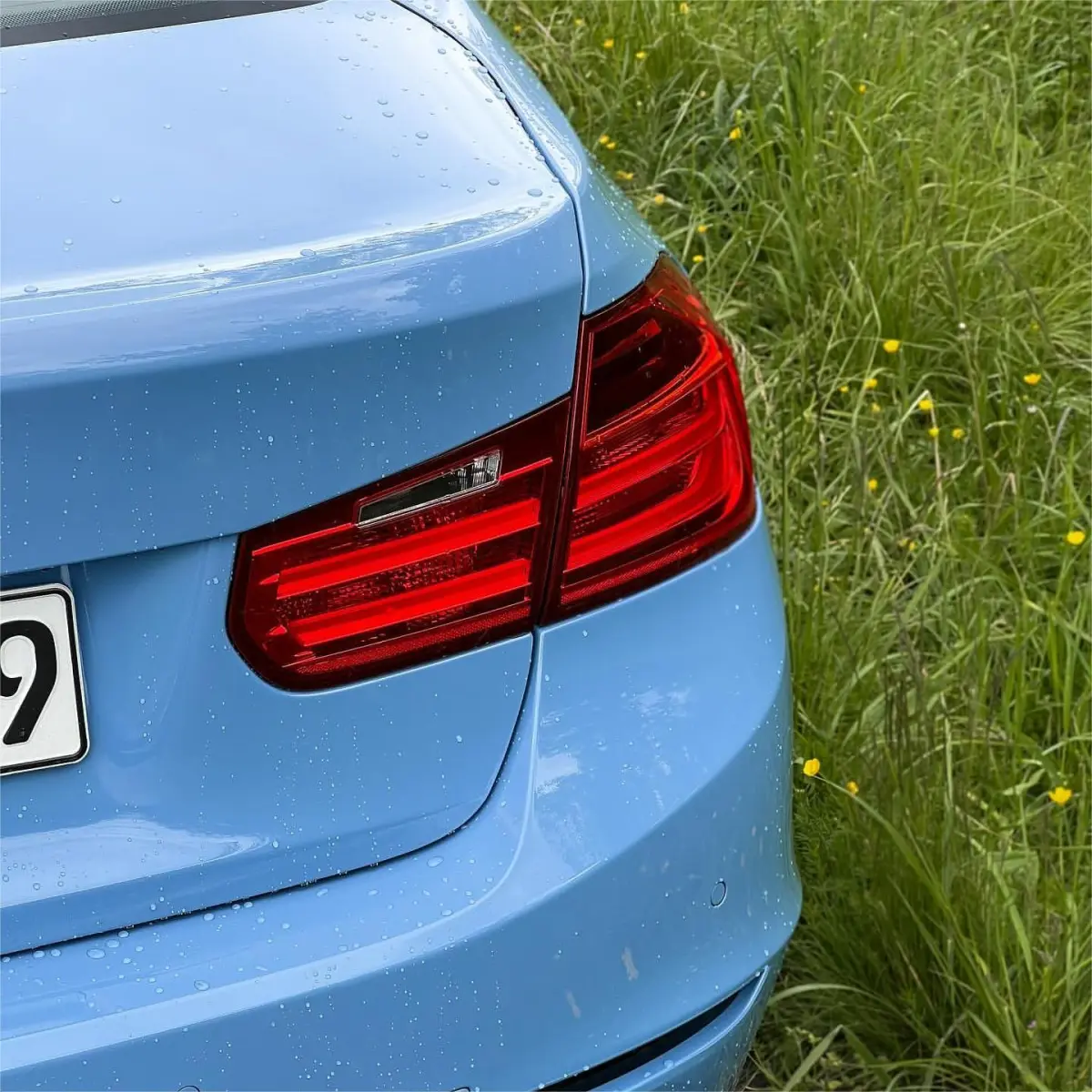
China blue paint protection film (china blue PPF) has become one of the most in–demand ways to get a factory-style pastel blue finish while protecting OEM paint from chips, fading and daily wear. This guide walks through how Alukovinyl’s TPU Glossy China Blue PPF performs on quality, durability and value versus other clear and colored PPFs, and when it makes sense for installers and car owners to choose it.
What Is China Blue PPF?
China blue PPF is a colored thermoplastic polyurethane (TPU) paint protection film that delivers a light, pastel blue finish similar to OEM “China Blue” style paints while acting as a protective barrier over factory clear coat. Rather than repainting the car, installers apply the film over OEM paint, so the original finish remains intact underneath.
Unlike basic color vinyl, modern TPU PPF is engineered first as a protective skin and then tinted with stable pigments. High-end films are typically 6–10 mil thick and use multi-layer constructions with a self-healing top coat, TPU impact layer and premium adhesive. This makes them significantly more resistant to chips, road rash and chemical staining than standard vinyl wraps, which are usually 3–7 mil thick and designed mainly for cosmetic color change.
If you’re looking for a long-term wrap for cars that upgrades both color and protection, China Blue PPF sits in the sweet spot: you get a stylish pastel blue finish and the shielding performance of a true paint protection film.
China Blue PPF Quality: Materials and Specs
Alukovinyl’s TPU Glossy China Blue PPF is built as a premium, colored paint protection solution. It uses a Covestro TPU base with a 93A hardness rating and high elongation (around 370% at break), giving the film both flexibility for complex curves and the strength needed to resist tearing and deep impacts.
On the surface, the film has a high-gloss finish rated around 94 on gloss measurements, delivering a deep, mirror-like china blue effect that mimics freshly polished paint. Beneath the top layer, the TPU structure and adhesive stack are tuned for performance:
- Base material: Covestro TPU for clarity, flexibility and impact absorption.:contentReference[oaicite:3]{index=3}
- Adhesive: American Ashland (Bostik) adhesive system, designed for strong peel strength while still allowing clean removal at end of life.
- UV resistance: The film blocks about 98.5% of UV, helping slow down paint oxidation and color fade underneath.
- Self-healing top coat: Thermal self-healing at 100%—light swirls and micro-scratches can level out with heat from warm water or sunlight.
In practice, these specs put China Blue PPF in line with other high-performance PPFs, where 7.5–8.5 mil films with self-healing and hydrophobic coatings have become the standard for premium installations.
Within Aluko’s broader PPF catalog, their tpu wrap range is positioned as professional-grade film for shops that need reliable bulk rolls with consistent clarity, adhesive behavior and installation feel.
Durability: How Long China Blue PPF Can Protect Your Paint
Alukovinyl rates the TPU Glossy China Blue PPF with an expected durability of around 5–7 years under normal road use when properly installed and maintained.:contentReference[oaicite:9]{index=9} That figure assumes typical conditions: regular hand washing, avoiding harsh chemicals and not leaving contaminants like bird droppings sitting on the surface for long periods.
Across the wider PPF market, modern TPU films commonly carry 8–10 year manufacturer warranties against yellowing, cracking and peeling, especially on clear films with advanced anti-yellowing chemistry.:contentReference[oaicite:10]{index=10} Colored PPFs can sit slightly lower on the durability curve because of pigment loading and color stability considerations, which makes a 5–7 year realistic service life for a vibrant, pastel blue tone.
In real-world use, how long your china blue PPF stays fresh depends on a few controllable factors:
- Climate: Hot, high-UV regions stress both paint and film more than mild climates.
- Driving pattern: Daily highway use exposes the front end to constant sandblasting and chips; weekend cars see less abuse.
- Wash method: Touchless or hand washing with pH-neutral shampoo is much kinder to PPF than harsh detergents or aggressive brushes.
- Maintenance: Using PPF-safe detail sprays and promptly removing tar, bug splatter and road grime helps the hydrophobic top coat last longer.
For many owners, the practical expectation is that a china blue PPF job will hold strong protection for at least one typical ownership cycle, while keeping OEM paint in near-new condition underneath for higher resale value.
Value: China Blue PPF vs Clear PPF and Vinyl Wraps
When you compare options for a blue finish with protection, there are three main paths: repainting, vinyl wrap and colored PPF. Repainting is the most invasive and usually offers no impact-absorbing layer on top of the new clear coat. Vinyl wrap is cheaper and lighter, but most films are thinner and less impact-resistant than true PPF.
Professional-grade PPF, by contrast, is designed to be thick enough to absorb stone chips and road rash while staying flexible. Typical films are 6–10 mil thick, roughly double the thickness of standard wrap vinyl, which translates directly into better chip resistance and longer protection life.
Alukovinyl’s TPU colored PPF range offers more than 350 colors, including multiple blues, making it a true color-plus-protection system. Their color ppf catalog is aimed at shops and detailers that want factory-inspired shades, bold custom tones and a consistent film feel from color to color.
In that line-up, the dedicated china blue ppf SKU targets customers who like the soft, pastel look seen on modern GT cars and SUVs in China Blue-style paint. Because the OEM paint stays underneath, the car can be returned to stock simply by removing the film at the end of its life, which is a major value add for leased or high-value vehicles.
From a cost-benefit angle, China Blue PPF tends to:
- Cost more than a simple color vinyl wrap, but deliver superior chip and stain resistance over the same period.
- Cost significantly less than a high-quality repaint, while avoiding resale issues and downtime associated with paint work.
- Preserve the original paint, which is a selling point for buyers and dealers when it’s time to move the car on.
For owners who want a distinctive pastel blue plus real impact protection, that balance of reversible color change and long-term paint preservation is where china blue PPF offers the strongest value.
Installation & Care Tips
Like any premium film, China Blue PPF will only perform to its spec if it’s installed and cared for properly. Alukovinyl supports both dry and wet installs but explicitly recommends wet application for easier positioning and a cleaner, bubble-free finish.
Best-practice installation basics
- Controlled environment: Aim for around 25 °C with moderate humidity in a clean, dust-free bay so contaminants don’t get trapped under the film.
- Thorough prep: Decontaminate the paint (wash, clay, degrease) and remove waxes or sealants so the adhesive can bond evenly.
- Gentle stretching: TPU is highly conformable, but overstretching can thin the film and stress pigments. Use heat guns on low–medium settings only where needed on complex curves.
- Center-out squeegee work: Push slip solution and air towards the edges in controlled passes, especially on bumpers and mirrors.
- Post-heating: Follow recommended post-heat ranges on edges and recessed areas to lock the film in place without scorching.
Everyday maintenance
- First 48 hours: Avoid washing or heavy rain to let the adhesive fully cure.
- Washing: Use pH-neutral shampoo, soft wash mitts and low-pressure rinsing. Skip harsh tunnel washes and strong solvents that can degrade the hydrophobic top coat over time.
- Self-healing touch-ups: If minor swirls appear, park the car in warm sun or pour warm water over the affected area to activate the self-healing layer.
- Detailing: Use PPF-safe detail sprays or coatings; some studios even apply ceramic coatings on top for extra slickness without voiding PPF warranties.
For shops, following these guidelines helps you deliver consistent results, fewer comebacks and longer-lasting, glossier China Blue installations.
Who Should Choose China Blue PPF?
China blue PPF is an especially strong fit for drivers and businesses who want their vehicles to stand out without sacrificing long-term protection:
- Enthusiasts who love pastel OEM blues but don’t want to commit to a full respray.
- Dealers and leasing fleets that need reversible color upgrades which still preserve OEM paint underneath for remarketing.
- Detailing studios and PPF installers looking to offer a premium pastel blue option within a proven TPU PPF platform, backed by clear technical specs and an established supplier.
- Daily drivers in harsh environments who need chip and stain resistance but are bored with standard clear film.
By combining an on-trend pastel blue with the impact resistance, UV protection and self-healing behavior of modern TPU PPF, China Blue PPF gives both shops and car owners a practical, good-looking option that protects paint, keeps resale options open and delivers a distinctive look on the road.