Paint protection film (PPF) is no longer just for supercars. Daily commuters, fleet vehicles, and EV owners are all investing in ppf film for car protection to lock in showroom gloss, reduce stone-chip damage, and protect resale value. The challenge is knowing which film, which thickness, and which coverage level makes sense for your car and driving style.
What Is PPF Film for Car and Why It Matters
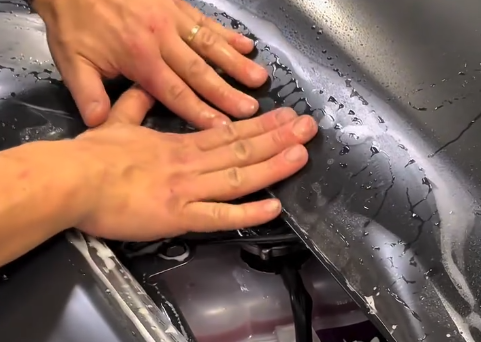
PPF is a transparent or colored urethane film that is applied on top of your vehicle’s clear coat. Modern films are typically made from TPU (thermoplastic polyurethane), which is flexible, impact-resistant, and can self-heal light swirls when warmed by the sun or hot water. Compared with traditional waxing or sealants, high-quality ppf film for car gives stronger defense against:
- Stone chips and sandblasting on highways.
- Swirls and light scratches from washing and road debris.
- Fading and oxidation caused by UV exposure.
- Stains from bird droppings, bug splatter, and tree sap.
Because PPF is sacrificial, the film takes the abuse instead of your clear coat. When it’s finally worn out, you can remove and replace it without repainting the car.
PPF vs. Vinyl Wrap: How Are They Different?
Many drivers compare PPF with a traditional vinyl wrap. Both are thin films applied on the paint, but they serve different purposes:
- PPF is engineered primarily for impact resistance, self-healing, and long-term protection. It’s usually thicker, more elastic, and more expensive per square meter.
- Vinyl wrap is optimized for color change and styling, with endless finishes and patterns. It’s typically thinner and not as impact-resistant as dedicated paint protection film.
For maximum protection, many owners use both: PPF on high-impact zones or the whole front, and color or design wraps on the rest of the vehicle.
Key PPF Film Types: Clear, Color, and Specialty Finishes
Not all PPF looks the same. Before comparing thickness or coverage, you should first decide which visual style you want. Today’s PPF families include:
1. Standard Gloss Clear PPF
Gloss clear PPF preserves the original paint color and adds a deep, wet shine when the surface is properly corrected and coated. It’s the most popular choice for new cars and premium finishes because it’s almost invisible when installed correctly.
If you prefer a “factory look” and want the strongest possible protection without changing color, consider dedicated products like gloss clear ppf designed for clarity, stain resistance, and self-healing.
2. Color PPF for Custom Looks and Protection
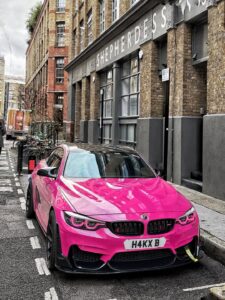
Color paint protection film combines the durability of PPF with the style of a color wrap. Instead of just protecting the OEM paint, it can give an entirely new look: satin black, Nardo grey, metallic blues, or even color-shift effects – while still resisting chips and scratches.
High-performance color ppf is ideal if you want to:
- Change the color without repainting.
- Keep a stealth or matte performance look.
- Protect rare or expensive OEM paint from damage.
3. Matte and Satin PPF
Matte or satin PPF turns glossy paint into a smooth, non-reflective finish. This is popular on performance cars and SUVs, where owners want a subtle, aggressive aesthetic. Importantly, the film still offers the impact protection and self-healing of a clear PPF.
4. Textured or Specialty PPF
Some advanced films feature textures such as “forged carbon” patterns, frosted finishes for trim, or hydrophobic topcoats that make washing easier. These specialty options are perfect for accents and high-touch areas like door sills or interior gloss trim.
Understanding PPF Thickness: 6 mil vs 8 mil vs 10+ mil
Thickness is one of the most important technical specs when choosing PPF. Automotive paint protection film is usually measured in “mil” (1 mil = 0.001 inch ≈ 25 microns). Common thicknesses include:
- 6 mil (≈150 microns) – lighter, more flexible, easier to install on complex curves, but with slightly less impact resistance.
- 8 mil (≈200 microns) – the most common “sweet spot” for daily drivers, balancing durability and workability.
- 10–12 mil (≈250–300 microns) – heavy-duty films for off-road, track use, or high-risk commercial vehicles, offering maximum chip resistance.
Thicker isn’t always better. An overly stiff film can be harder to wrap around sharp curves and may show more edge lift if not installed correctly. For most modern cars, a high-quality 7–8 mil TPU film with a strong topcoat is the best balance between protection, self-healing, and visual clarity.
When comparing products, look not only at thickness but also at:
- Topcoat technology (self-healing, hydrophobic, stain resistance).
- TPU grade (non-yellowing, optical clarity).
- Adhesive system (easy repositioning, low orange peel, clean removal).
Coverage Options: From Partial Front to Full-Body PPF
Once you’ve chosen the type and thickness of film, the next decision is how much of the car to cover. Different coverage packages suit different budgets and risk profiles.
1. High-Impact Strip or Partial Coverage
This includes the most vulnerable areas only:
- Front bumper and lower lip.
- Leading edge of the hood.
- Mirror caps and A-pillars.
- Door edges, door cups, and rocker panels.
It’s a budget-friendly option, ideal for city or occasional highway driving, where chips are most likely at the front.
2. Full-Front PPF Package
A full-front package typically protects:
- Full hood.
- Front bumper and grille area.
- Front fenders.
- Mirror caps.
- Headlights (where legally allowed).
This option is highly recommended for new vehicles, EVs with large, painted front fascias, and highway commuters. It provides more seamless coverage, with fewer visible lines on the hood or fenders.
3. Full-Body PPF
Full-body PPF is the premium choice, applying film to every painted panel. This is common on high-value sports cars, luxury SUVs, and rare colors. It protects against:
- Shopping cart dings and door impacts.
- Sandblasting and gravel on lower doors and rockers.
- Swirls from automatic washes.
- Sun damage over the long term.
For owners planning to keep a car long-term, full-body PPF can significantly maintain resale value by preserving near-perfect paint under the film.
How to Choose the Right PPF Setup for Your Car
To pick the best PPF solution, start from your use case and work backwards:
- Daily commute and mixed driving: Choose a high-quality 7–8 mil gloss clear PPF on the full front, with optional rocker panel and luggage area protection. This balances cost and protection.
- Performance cars and highway touring: Consider a self-healing, stain-resistant 8 mil film on at least the full front and rocker panels. If you frequently track the car or drive spiritedly, full-body coverage is ideal.
- Off-road and commercial use: A thicker 8–10+ mil film on the front, rockers, and rear quarters helps defend against gravel and heavy debris.
- Design-focused builds and show cars: Combine color ppf or matte films for style with strategic gloss clear coverage where impacts are most likely.
Always work with an installer who uses proper templates, trained installation techniques, and controlled shop conditions to avoid contamination under the film.
Why Material Quality and Brand Support Matter
Choosing the right brand of PPF is just as important as choosing the coverage. High-quality films from reputable manufacturers typically offer:
- Multi-year warranties against yellowing, cracking, and delamination.
- Consistent optical clarity across batches.
- Proven TPU chemistry with strong UV resistance.
- Installer training and support for better results.
When comparing options, ask about lab test results for UV-exposure, stain resistance, and self-healing performance. Also verify that the supplier can support your long-term needs with steady inventory and color-matched batches for future repairs.
Next Steps: Plan Your PPF Project
The ideal PPF setup looks different for every driver. Start by defining your goals: maximum resale value, long-term gloss, stealth styling, or heavy-duty protection. Then choose your film type (clear, matte, or color), match the right thickness to your use case, and pick a coverage package that balances budget with risk.
To explore dedicated solutions for ppf film for car applications – from clear gloss front-end kits to full-body color protection – you can review product lines such as:
- High-clarity gloss clear ppf for invisible protection on new paint.
- Stylish color ppf options that combine impact resistance with a custom look.
- Dedicated ppf film for car solutions tailored to different body styles and coverage levels.
With the right film, thickness, and coverage strategy, your car can stay better protected against real-world damage while looking exactly the way you want – whether that means factory-fresh gloss, stealth matte, or a bold new color.