“Clear matte wrap” usually means matte clear paint protection film (PPF): a transparent TPU film that keeps your factory color, but changes the look to a clean, low-glare satin while adding real chip and scratch buffering.
What a “Clear Matte Wrap for Car” Actually Is
A clear matte wrap for car is typically a matte clear PPF (TPU-based). Unlike color-change films, it’s designed primarily for impact resistance and surface durability: it absorbs micro-impacts from sand, road grit, and small stones that would otherwise mark your clear coat.
Most premium PPF products sit in the ~7–9 mil thickness range, which is why they buffer chips better than standard wrapping films. A key difference: many modern PPF systems include a self-healing topcoat that can reduce light scuffs when warmed (sunlight or controlled heat).
Protection Benefits You’ll Notice (Not Just Marketing)
1) Chip & abrasion buffering
PPF is a sacrificial layer, similar in concept to a phone screen protector: it takes the hit so your paint doesn’t. Matte clear adds the same physical buffering while giving a stealth finish.
2) UV and stain resistance
Quality TPU films resist UV-driven aging and help reduce staining from bug splatter, bird droppings, and road tar—especially when cleaned quickly. Many products also add hydrophobic behavior for easier washing.
3) Hides light swirl visuals better
Matte textures scatter light, which visually reduces minor wash marks and makes daily dust less “obvious” than high-gloss paint. (It won’t hide dents or deep scratches already in the paint.)
Cost Comparison: Matte Clear PPF vs Vinyl vs Colored PPF
Pricing depends on vehicle size, panel complexity, film thickness, and how “invisible” you want edges to be (wrapped edges and trim removal cost more). Here’s a realistic way to compare options:
| Option | What you’re paying for | Typical cost reality | Best for |
|---|---|---|---|
| Matte clear PPF (stealth) | Highest paint protection + matte finish change | Often higher than vinyl; full installs can reach several thousand, sometimes up to ~$8,000 depending on scope & labor | Daily drivers, premium cars, owners who want “OEM stealth” + protection |
| Vinyl wrap | Style-first color/finish changes; thinner film | KBB estimates full wraps around $2,000–$10,000+, depending on vehicle and finish | Restyling, branding, frequent color changes |
| Colored PPF | Color change + TPU protection in one layer | Usually priced closer to PPF work than vinyl because install approach and material are “protection-grade” | Owners who want color change without giving up chip protection |
If you mainly want styling, start with a vinyl wrap. If you want protection first, a ppf wrap is the baseline. If you want both protection + color in one layer, explore colored ppf.
Professional Installation Tips (What Separates “Good” From “Flawless”)
Prep: 70% of the outcome
- Decon wash (strip traffic film and oils), then iron remover and clay as needed.
- Paint correction (optional but recommended): fix defects you don’t want locked under film.
- Final wipe with paint-safe surface prep to remove residues and improve adhesive bonding.
Control the environment
For many PPF systems, installers target a stable work temperature—commonly in the 60–85°F range, with an “optimal” band near room temperature. Avoid cold panels, direct sun, and dusty airflow that can add contamination under the film.
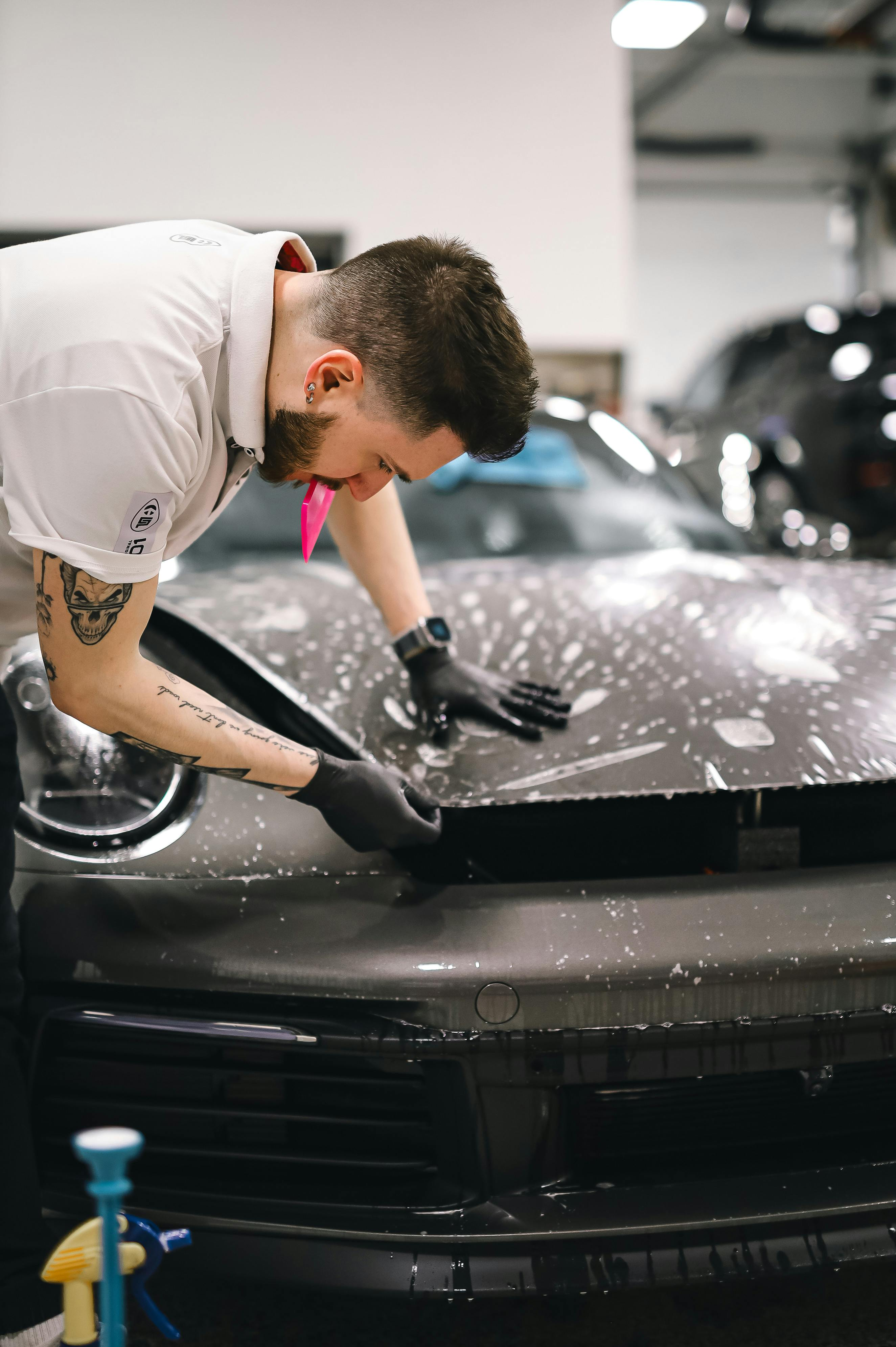
Wet-install discipline: slip, tack, and squeegee technique
- Use the right solution balance: too much slip = edges won’t lock; too much tack = stretch lines or haze.
- Anchor then chase: set a stable anchor point, then squeegee out in overlapping passes to prevent trapped water lines.
- Avoid over-stretch on matte films: heavy tension can create texture distortion or uneven sheen.
- Edge strategy matters: edge wrap where possible; fully dry and seal high-risk edges (doors, bumper inlets, rocker corners).
Cure + aftercare so it stays clean
- No pressure washing near edges for the first week.
- Use pH-neutral cleaners and non-abrasive tools; matte surfaces should never be machine-polished.
- Spot-clean fast: bugs, sap, and droppings are easiest to remove when fresh.
When Clear Matte Wrap for Car Is the Best Choice
- You love your factory color and want stealth without repainting.
- You drive highways (chips) or city lots (door dings / micro-scratches) and want real buffering.
- You want easier “looks clean” maintenance without living on a swirl-mark treadmill.
Bottom Line
A clear matte wrap for car is the “quiet luxury” option: it keeps the original paint color, lowers glare, and adds a durable sacrificial layer. If protection is the priority, start with matte clear PPF; if styling and rapid color changes are the priority, vinyl may fit better.