
What a Clear PPF Wrap Is (and What It Isn’t)
A clear PPF wrap (clear paint protection film) is a transparent, paint-safe protective layer designed to take the abuse of daily driving—rock chips, light abrasion, bug splatter, road grime, and UV exposure—so your factory clearcoat doesn’t have to. Modern premium films are typically TPU-based, engineered for optical clarity and flexibility, and paired with a top layer that improves stain resistance and helps reduce the visibility of fine swirl marks.
What it isn’t
- Not the same as vinyl wrap: vinyl is primarily for color/finish changes and styling; PPF is primarily for paint preservation.
- Not a ceramic coating replacement: coatings can add gloss and chemical resistance, but they don’t provide the same physical impact barrier as PPF.
Why Drivers Choose Clear PPF Wrap
The biggest reason is simple: keep the original look. If you love your factory color (or you’re protecting a rare OEM finish), a clear PPF wrap is the closest thing to an “invisible shield.”
Benefits that matter in the real world
- Chip resistance on high-impact zones: bumper, hood edge, fenders, rocker panels, and mirrors take the first hit on highways.
- Better swirl-mark tolerance: quality topcoats reduce the look of micro-marring from washing and day-to-day contact.
- Easier cleanup: daily contaminants are less likely to permanently stain compared to bare clearcoat—especially if you remove them promptly.
- Confidence when parking and commuting: subtle protection adds up fast if you drive often or park outdoors.
Coverage Options: From “High-Impact” to Full Vehicle
The right clear PPF wrap plan depends on how and where you drive. Here’s how most owners and installers think about coverage.
Option A: High-impact “front kit”
Prioritizes the areas most likely to be peppered by debris: front bumper, partial or full hood, front fenders, mirror caps, and sometimes headlights. This is the most common starting point if you want maximum ROI.
Option B: Track/highway add-ons
Add rocker panels, lower doors, rear bumper loading lip, and A-pillars. If you do lots of highway miles, these zones get punished.
Option C: Full-body clear PPF wrap
The “factory-fresh” approach: wrap every painted panel. It’s ideal for new vehicles, collectors, high-end daily drivers, or anyone who wants consistent protection rather than a “protected front / unprotected sides” split.
How to Choose the Right Clear PPF Wrap
1) Film build & thickness (durability vs conformability)
Premium clear PPF commonly sits around the ~8 mil range (film + adhesive), which balances impact protection with clean edge work around curves. Thicker “impact” variants can exist for specific zones, but thickness alone isn’t everything—clarity, adhesive behavior, and topcoat chemistry matter too.
2) Optical clarity (the “invisible” part)
A clear PPF wrap should disappear from standing distance. Look for films designed to minimize haze and keep a glossy, paint-like finish. On dark colors, clarity becomes even more important.
3) Finish choices: gloss, matte, satin
Clear PPF is often gloss, but matte/satin PPF can preserve paint while changing the appearance. If you want color change instead, consider colored ppf and plan the look panel-by-panel.
4) Coverage strategy (protect the “math” zones first)
If budget is limited, protect what gets hit most: bumper, leading hood edge, fenders, mirrors, and rockers. That’s where “normal” wear turns into visible damage.
Clear PPF vs Vinyl Wrap vs Ceramic Coating
These options are often lumped together, but they solve different problems. Here’s the simplest way to choose.
| Option | Best for | What it does well | Tradeoffs |
|---|---|---|---|
| Clear PPF wrap | Keeping factory paint looking new | Physical impact barrier, chip resistance, swirl reduction, easier cleanup | Higher cost than coatings; quality depends on install technique |
| Vinyl wrap | Color/finish change + branding | Transforms appearance quickly; huge style selection | Not designed as a heavy impact barrier; edges may show wear on high-impact zones |
| Ceramic coating | Gloss + chemical resistance | Hydrophobic behavior, easier washing, UV/chemical resistance | Limited physical protection vs chips/impacts |
Installation & Care: What Actually Matters
Installation basics (why pro technique matters)
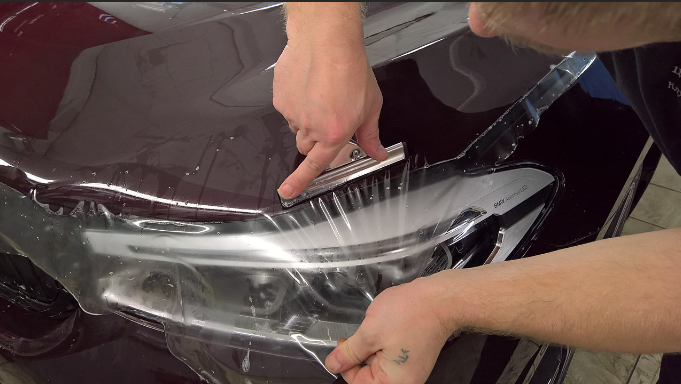
Great PPF installs look effortless because the hard work happens before the film touches the panel: wash, decontaminate, paint correction if needed, then careful alignment and squeegee passes to minimize trapped solution and edge tension. On modern cars, wrapped edges and precise cuts are what make a clear PPF wrap truly “invisible.”
Care checklist (simple, but important)
- Give it time: avoid washing immediately after install; let adhesives stabilize and moisture escape.
- Use gentle wash methods: pH-neutral shampoo, soft microfiber, and clean rinse water minimize micromarring.
- Remove contaminants quickly: bugs/bird droppings/tree sap are easier to remove sooner than later.
- Inspect edges occasionally: catching a lifting edge early can prevent dirt lines.
FAQ
How long does a clear PPF wrap last?
Lifespan depends on film quality, install quality, climate, and maintenance. Many premium films are supported by long manufacturer warranties when installed by authorized pros and properly cared for—often up to around a decade for flagship products.
Will clear PPF change my paint color?
A true clear PPF wrap is designed to preserve your factory color and finish. The goal is “invisible” protection; high-clarity films minimize haze and should look paint-like once installed.
Is clear PPF better than a ceramic coating?
They solve different problems. Ceramic coatings excel at chemical resistance and easier washing, while clear PPF is the go-to choice for physical defense against rock chips and abrasion. Many owners use both (PPF first, coating on top) for a combined approach.
What coverage should I choose first?
Start with the zones that get hit: bumper, hood leading edge, fenders, mirrors, and rockers. If you want truly uniform protection (and consistent appearance), go full-body clear PPF wrap.
References (technical reading)
- 3M Scotchgard PPF Pro Series 200 Gloss – Technical Data Sheet (PDF)
- 3M Scotchgard Paint Protection Film SGH6 (8 mil) – product spec
- XPEL ULTIMATE PLUS – product overview (8 mil)
- XPEL warranty information
- XPEL product care instructions
Note: Always follow the care and warranty terms for the specific film you purchase and the installer’s aftercare instructions.