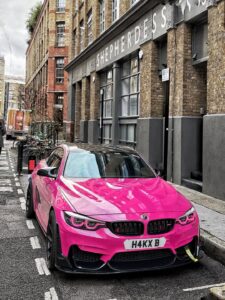

More and more drivers, detailers, and shop owners are choosing color PPF as a way to protect paint and restyle a car in one step. Instead of deciding between a clear protective film or a cosmetic vinyl wrap, modern colored paint protection films let you change the look of your vehicle while adding real impact and scratch resistance.
This guide walks through what color PPF is, how it compares to standard clear paint protection film and vinyl wraps, which technical specs actually matter, and how to choose the right film for your budget, use case, and preferred finish.
What Is Color PPF?
At its core, paint protection film (PPF) is a transparent, thermoplastic urethane layer applied over factory paint to absorb stone chips, scratches, bug splatter, road rash, and UV exposure before they reach the clear coat. Modern premium films are almost always TPU-based, with a flexible core, a self-healing clear coat on top, and a pressure-sensitive adhesive underneath.
Color PPF uses that same multilayer TPU construction but adds pigments, tints, or special finishes into the film. Instead of being nearly invisible, the film can appear as a solid color, a metallic effect, a satin or matte sheen, or even a textured look like carbon fiber. Because the protection layer and the color are integrated in one film, you get both paint protection and restyling in a single installation.
Typical features of quality color PPF include:
- TPU base film in the roughly 7–8.5 mil thickness range for impact resistance.
- Self-healing topcoat that recovers from light swirls and wash marks when warmed.
- Hydrophobic or oleophobic coatings that help repel water, road film, and stains.
- UV-stable pigments and stabilizers to reduce fading and yellowing over time.
Color PPF vs Vinyl Wrap vs Clear PPF
Color PPF vs Vinyl Wrap: Protection First vs Style First
Color PPF and vinyl wraps can both change the way a car looks, but they are built for different purposes. Most vinyl films are thinner and designed primarily for color and graphics. They offer some protection from minor scuffs but are not engineered to absorb the kind of impact that causes real stone chips.
- Protection: TPU-based color PPF is thicker and more impact-resistant, making it far better at preventing chips on high-impact zones than standard vinyl.
- Longevity: With proper maintenance, quality PPF systems are commonly rated for around 7–10 years of service, while many vinyl wraps are positioned in the 3–5 year range before noticeable fading, peeling, or edge lifting appears.
- Self-healing: Color PPF typically includes a self-healing top layer. Light scratches can disappear with warmth from the sun or warm water; vinyl wraps do not self-heal and must be replaced if damaged.
- Installation difficulty: PPF installation is more technical because the film is thicker and designed to be stretched and wrapped around complex shapes without distorting the finish. Vinyl is generally easier to position and squeegee, which is why many DIY projects use vinyl instead.
In short, vinyl is a “style-first” product with limited protection, while color PPF is a “protection-first” product that also delivers a fresh, paint-like finish.
Color PPF vs Clear PPF: Same Shield, Different Look
Clear paint protection film and color PPF share the same mission: prevent damage to your OEM paint with a sacrificial TPU layer. Both use similar constructions, thicknesses, and self-healing topcoats. The key difference is visual. Clear PPF aims to be invisible so your factory color and metallic flake are still visible, whereas color PPF intentionally changes the way the car looks.
- Choose clear film if your priority is preserving a factory or custom paint job exactly as it looks now, especially on high-end, classic, or collector vehicles.
- Choose color PPF if you want to refresh or completely transform the color and finish while still getting long-term chip and scratch protection.
- Hybrid setups are also popular: for example, a color PPF on body panels and a clear film on gloss black trim or carbon-fiber roof sections you want to keep visible.
Key Specs You Should Compare Before Buying Color PPF
Not all paint protection films are created equal. When you’re comparing color PPF options, these specifications matter much more than just the marketing names.
1. Material and Film Stack
Look for films that clearly state they use a TPU (thermoplastic polyurethane) base. TPU combines flexibility, elasticity, and impact absorption in a way that older PVC- or PET-heavy constructions cannot match. A typical film stack includes:
- A clear or tinted self-healing topcoat that resists micro-scratches and chemical stains.
- A pigmented or textured TPU core that provides the color and main impact resistance.
- An optically clear adhesive that bonds the film to the paint without orange peel or excessive texture.
- Release liners and transport layers that are removed during installation.
Quality manufacturers publish data like tensile strength, elongation, and weathering test results (for example, QUV or xenon-arc exposure). That data helps you compare real durability instead of just reading marketing phrases like “premium” or “pro series.”
2. Thickness and Impact Resistance
Thickness alone does not guarantee quality, but it strongly influences impact resistance. Many high-end color and clear PPF products fall in this general range:
- Around 7–8.5 mil total thickness for full-body wraps and daily drivers, balancing conformability with chip resistance.
- Slightly thicker specialty films for high-impact track use or off-road vehicles that see more gravel and debris.
- Thinner, more flexible films for headlights or complex trim pieces where stretch and clarity are more important than maximum impact resistance.
When comparing spec sheets, make sure you’re looking at total film thickness, not just the TPU layer or topcoat. Also note whether the topcoat includes hydrophobic or anti-stain chemistry – these extra layers make cleaning easier and help keep bright colors looking vivid.
3. Finish, Gloss Level, and Color Options
One of the biggest reasons to choose color PPF is access to finishes that look more like real paint than many vinyl wraps. Common options include:
- High-gloss colors that mimic a fresh respray and emphasize body lines and reflections.
- Matte and satin finishes for a stealth, low-sheen look that hides reflections and gives a modern, OEM-inspired vibe.
- Textured or effect films such as carbon fiber, brushed metal, or subtle metallic flake that add depth to the finish.
Large color PPF ranges now offer hundreds of shades and finishes, from OEM-style greys and whites to bold candy reds, deep greens, and on-trend blues. That makes it possible to match fleet colors, brand identities, or a specific manufacturer paint code while still getting the durability of PPF.
4. Warranty, Brand, and Installer Credentials
A realistic warranty is a strong indicator of how confident a brand is in its film. For modern, TPU-based PPF, warranties commonly sit in the 7–10 year range against yellowing, cracking, or peeling when installed and maintained as directed. Shorter or vague warranties can be a red flag.
Installer skill is just as important as the film itself. Even the best material will fail early if it’s stretched too aggressively, contaminated during install, or poorly finished at edges and seams. Whenever possible, choose shops that can show training, certifications, or a documented portfolio of PPF projects—not just vinyl wraps.
Where Color PPF Makes the Most Sense
Color PPF is especially attractive when you want both protection and a new aesthetic. Typical use cases include:
- Daily drivers and commuters that see a lot of highway miles and stone chips but whose owners want a unique color or finish without a permanent respray.
- Performance and track cars where high-speed debris, rubber pickup, and frequent detailing can quickly destroy exposed paint.
- Leased vehicles whose owners want a reversible color change that can be removed at the end of the term to reveal protected OEM paint.
- Brand and corporate fleets that need repeatable, on-brand colors and logos plus long-term protection to reduce repainting costs.
You can apply color PPF as a full-body wrap, or you can target high-impact “front clip” areas like the hood, bumper, fenders, and mirror caps. Even partial coverage can dramatically reduce paint damage over time compared with unprotected factory clear coat.
Care, Maintenance, and Lifespan for Color PPF
Color PPF is relatively low-maintenance, but a few simple habits will help you reach the upper end of its expected lifespan and keep the finish looking fresh.
- Post-install cure time: Follow your installer’s instructions about wash-free curing, typically 48–72 hours. Avoid high-pressure washing or aggressive mechanical washes during this period.
- Washing routine: Wash by hand with pH-neutral shampoo and soft wash mitts. Rinse thoroughly and dry with clean microfiber towels or a blower to reduce water spots.
- Self-healing activation: For light swirls or wash marks, gentle heat from the sun, a warm water rinse, or a low-temperature heat gun (used carefully) can help the self-healing topcoat recover.
- Contaminant removal: Remove bug splatter, bird droppings, and tree sap as soon as possible. Even though PPF offers extra protection, harsh contaminants can still stain if they bake on in the sun.
- Compatible products only: Avoid harsh solvents, strong degreasers, or abrasive polishes on the film. If you want extra slickness and ease of cleaning, use a ceramic coating or spray sealant that is specifically labeled as PPF-safe.
With a high-quality TPU film, professional installation, and basic maintenance, many owners see 7–10 years of service before they consider removing or replacing the film due to wear or a change in style.
Choosing Color vs Clear PPF with Alukovinyl
Because there are many possible combinations of wraps and films, it can be helpful to think in terms of your main goal first—maximum protection, bold styling, or a balance of both—and then match that goal to specific product lines.
- If you want a simple color change or graphics and are willing to trade some impact resistance, explore a traditional vinyl wrap first.
- If your top priority is long-term protection for daily driving, stone-chip resistance, and easier maintenance, start with the ppf wrap category.
- If you want both a fresh finish and serious paint protection in one layer, look at ALUKO TPU color ppf options that combine self-healing TPU with a wide color and finish palette.
- If you love your factory color and just want invisible “armor” on high-impact zones or the full body, choose a high-gloss clear ppf solution instead.
For many owners, the best path is to work with a trusted installer, review film samples in person under natural light, and then combine clear and color PPF strategically to match their driving conditions, maintenance habits, and long-term plans for the vehicle. Whichever route you choose, modern PPF technologies make it possible to protect your paint and personalize your car at the same time.
Quick FAQ About Color PPF
Is color PPF as protective as clear film?
When you compare products from the same quality level and thickness, color PPF offers essentially the same paint protection as clear PPF. Both use impact-resistant TPU cores and self-healing topcoats; the main difference is whether color pigments are integrated for styling.
How long does color PPF last?
Most premium TPU-based PPF systems are designed for a service life in the 7–10 year range under normal use, assuming professional installation and regular maintenance. Harsh climates, constant outdoor parking, and aggressive washing can shorten that lifespan, while garage parking and gentle washing can extend it.
Is color PPF more expensive than vinyl wrap?
Yes. Material costs and installation labor are generally higher for color PPF than for standard vinyl wraps because the film is thicker, self-healing, and optimized for long-term impact resistance. Many owners accept that higher upfront cost because they are getting both a color change and multi-year protection in one product instead of paying separately for paint correction, coatings, or repainting later.