
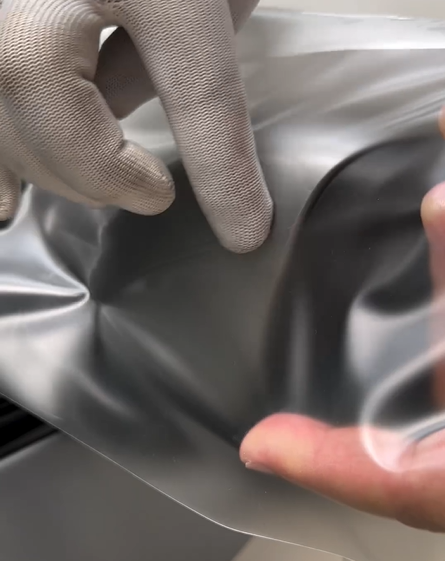
If you’re planning a DIY paint-protection project and want to give your vehicle a sleek, satin-matte finish — while also shielding the paint from chips, debris, and UV damage — choosing the right matte PPF roll matters. Below is a step-by-step guide to help you select the proper roll size, film thickness, and trusted brand for your DIY job.
What is Matte PPF — and how is it different from vinyl wrap?
The term “PPF” stands for Paint Protection Film, a thermoplastic polyurethane (TPU) film that acts as a protective “second skin” over your car’s paint.
While a vinyl wrap is often used for aesthetic color changes or graphics, PPF is primarily about protection. Vinyl wrap tends to be thinner and less impact-resistant, designed to alter appearance.
Opting for a matte finish version — a matte ppf roll — gives you both protection and a flat, non-reflective finish that enhances the car’s styling while guarding against road hazards.
Key Factors: Size, Thickness, and Film Quality
- Size / Roll Width and Length: For DIY projects, pick a roll width that matches or slightly exceeds the widest panels you plan to cover (hood, roof, doors). Rolls often come in widths like 60″, 48″, or 36″; larger widths minimize seams on large panels. Always order slightly more than you calculate — to allow for trimming and mistakes.
- Film Thickness: Quality matte PPF typically ranges between ~7–9 mil. Thicker films offer better impact protection (rock chips, road debris) and longer service life. A too-thin film may save money but sacrifices durability and shielding performance.
- Film Material & Topcoat: TPU-based films are standard — they’re flexible, stretchable, and can conform to curves and complex body panels. A good matte PPF often includes a durable topcoat that resists UV, chemicals, and stains, and sometimes even offers self-healing for light scuffs.
- Aesthetic Finish: Matte finish gives a subdued, non-glossy look that can either preserve existing matte paint or convert glossy paint into a stealthy satin finish.
Why Matte PPF Might Be Better Than Clear PPF or Vinyl Wrap
Choosing between different film types depends on what you prioritize:
- Clear PPF — ideal if you want to preserve your vehicle’s original paint color and finish while protecting it. It stays nearly invisible after installation, maintains gloss, and often features self-healing coatings.
- Matte PPF — perfect if you’re going for a stealth, modern look instead of gloss. The matte finish hides minor swirl marks, reduces glare, and delivers a unique satin aesthetic — while still offering the same protective properties as clear PPF.
- Vinyl wrap — good for color changes, graphics, or short-term customization, but it doesn’t provide the same durability or impact protection as PPF.
DIY Considerations: Is a Matte PPF Roll Right for You?
Applying a matte PPF roll yourself is possible — but the matte finish is less forgiving than gloss: imperfections, air bubbles, misalignment, or dust trapped under the film will be more obvious.
Before committing to DIY, make sure you have:
- A clean, dust-free work environment.
- Essential tools: squeegee, slip solution (wet-application fluid), cutting tools, microfiber cloths, gloves, etc.
- Patience and willingness to re-trim, reposition, or re-apply if there are bubbles or wrinkles — especially on large flat panels or curved surfaces.
If you prefer a flawless finish and don’t have prior wrapping experience, professional installation may still yield better long-term results.
Recommended Roll & Brand Specifications (for DIY or Professional Use)
When ordering a matte PPF roll, consider something like this (as a baseline):
- Width: 48–60″ (ideally 60″ for full-hood or roof coverage) — reduces seams on large panels.
- Length: enough footage based on vehicle size + ~10–15% extra for trimming/waste.
- Thickness: 7–9 mil — balanced for protection, flexibility, and durability.
- Material: TPU-based film with UV-resistant, self-healing matte topcoat.
- Finish: True matte satin (non-reflective) rather than “matte wrap” with visible texture or uneven gloss. Ideally the film should render a smooth, uniform finish.
Brands or suppliers selling rolls that meet these specs — and that have solid warranty background — tend to yield better long-term results. While our site offers high-quality matte wraps and PPF, make sure to verify the film’s mil thickness, topcoat quality, and roll dimensions before ordering.
Maintenance Tips for Matte PPF
To keep your matte PPF looking good and lasting longer:
- Use pH-balanced, non-abrasive car shampoo and a soft microfiber cloth. Avoid automatic car washes with harsh brushes.
- Avoid aggressive polishes or waxes meant for glossy finishes — if you want extra protection, use products designed for matte finishes.
- If possible, avoid prolonged exposure to harsh UV or extreme weather; though quality PPF includes UV protection, long-term exposure may still cause gradual degradation.
Conclusion
Selecting the right matte ppf roll for your DIY project boils down to balancing size, thickness, and film quality. When chosen carefully, matte PPF lets you transform a glossy car into a sleek, satin-finished ride — without sacrificing protection against chips, UV damage, or environmental wear.
While DIY installation is feasible for experienced wrap-ers, the matte finish demands precision. If you’re uncertain or want flawless results, consider professional installation. Either way, with the right roll specifications and proper care, matte PPF can deliver years of protection and a modern, understated aesthetic that stands out on the road.