
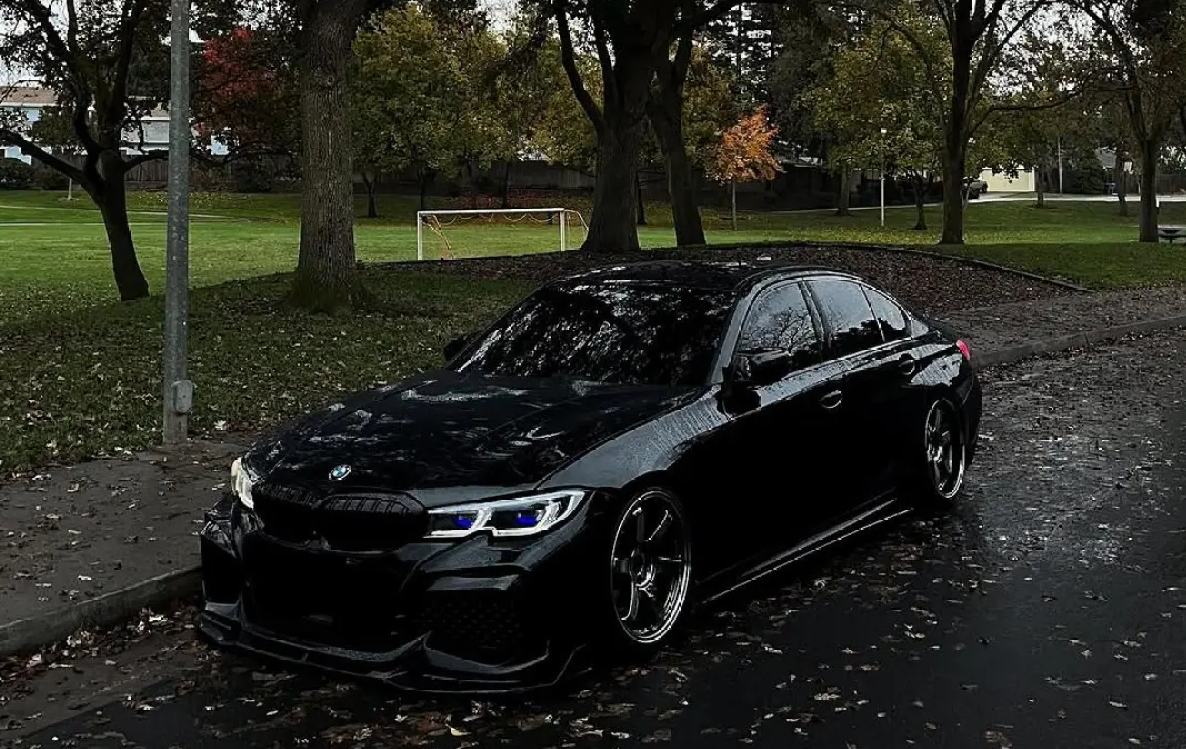
Over the last few years, demand for colored paint protection film has exploded. Drivers want a finish that looks like custom paint, but with the rock-chip resistance, self-healing topcoat, and long-term durability of premium PPF. Among all the colors, gloss black PPF has become a hero finish: it delivers a deep, piano-black look while shielding OEM paint from daily abuse.
In this guide, we’ll break down what colored PPF is, why gloss black PPF is so popular, how to spec a high-performing film, and how to install and maintain it for a flawless wet-look finish. We’ll also highlight Aluko’s top product recommendations so you can choose the right film for your project or shop.
What Is Colored Paint Protection Film?
Traditional paint protection film started as a clear, nearly invisible urethane layer designed to defend your clearcoat from stone chips, bug splatter, and light scratches. Colored paint protection film takes that same TPU-based construction and adds pigment or special effects (solid, metallic, pearl, satin, etc.) so you can restyle the car at the same time you protect it.
Instead of respraying the car or installing a thinner cosmetic wrap, you’re effectively “painting” with a protective film: you change the color while gaining a thicker barrier against mechanical damage, UV exposure, and chemical staining. Compared with older PVC wrap materials, modern TPU PPF offers significantly better flexibility, self-healing behavior, and long-term clarity, which is why it has become the default choice for serious protection-focused builds.
For shops, this unlocks a profitable category between full resprays and standard vinyl wraps: you deliver style, protection, and resale value in a single upgrade. For owners, it means you can test bold finishes—like gloss black, olive green, Miami blue, or tungsten metallic—without permanently changing the OEM paint underneath.
Why Choose Gloss Black PPF Instead of a Regular Wrap?
Gloss black has always been one of the most demanding finishes in automotive detailing. On paint, it reveals every swirl, every sanding mark, and every hologram. On the right film, though, gloss black PPF delivers a liquid, piano-black surface that stays consistent across complex panels and holds its gloss for years.
Here’s why many installers and owners are choosing gloss black PPF instead of a traditional car wrap:
- Deeper, “wet” appearance: High-gloss PPF with the right topcoat gives a mirror-like reflection and depth that’s difficult to match with thinner, PVC-based films.
- True protection plus restyling: Colored PPF is a protection-first product. You get impact resistance, self-healing for wash marring, and resistance to yellowing in one package, not just a cosmetic change.
- Better durability: Quality TPU PPF is engineered to last many years under real-world UV and weather exposure when maintained correctly, reducing the need for frequent re-installs.
- Reversibility: Because the film is removable, you can go back to factory paint, update to a new color, or refresh specific panels without repainting the car.
For projects where clients want both a stealth OEM look and serious protection, gloss black PPF is a compelling upgrade over standard black wrap films.
Key Specs to Look For in Colored PPF
Not all colored paint protection film is created equal. When you’re choosing a gloss black film—or specifying stock for your shop—pay close attention to these technical parameters:
- Material: Premium aliphatic TPU (thermoplastic polyurethane), which provides high elasticity, self-healing behavior, and better UV stability than older PVC-based films.
- Overall thickness: Many high-performing films sit in the ~6–8 mil range (including adhesive), thick enough for meaningful chip resistance but still conformable for modern body lines.
- Gloss and optical quality: For gloss black PPF, look for excellent surface leveling and high gloss readings so reflections stay sharp and distortion-free, even on large panels like hoods and roofs.
- Self-healing topcoat: A heat-activated topcoat that recovers minor wash marks and light swirls under sunlight or warm water is a major advantage for black finishes.
- Adhesive system: A modern, low-odor adhesive that allows repositioning during install but locks down cleanly once the film is squeegeed out and post-heated—without excessive orange peel.
- Hydrophobic performance: Quality PPF topcoats provide strong water beading and reduced contamination build-up, making wash routines easier and safer for the surface.
Aluko’s gloss black and colored PPF lines are engineered around these criteria, so you’re not forced to choose between aesthetics and on-road durability.
Planning a Gloss Black PPF Project
Before you start cutting material, decide how far you want to go with the transformation. Some builds focus on accents, while others swap the entire body to gloss black.
High-Impact Zones for Gloss Black
- Roof and pillars for a “floating roof” effect
- Hood and trunk to contrast with lighter body colors
- Mirror caps, spoiler, side skirts, and splitter trim
- Chrome-delete on window surrounds and grille bars
These areas visually shrink the car, emphasize its shape, and are exposed to frequent chips and wash-induced wear—making them ideal candidates for gloss black PPF.
Full-Body vs. Partial Coverage
A full-body gloss black PPF conversion offers the ultimate uniform look and protection, but it requires more planning, more film, and more labor. Partial coverage is perfect when you want contrast with the original paint, or when you’re working with a more focused budget.
The good news: with Aluko’s portfolio of ppf wrap options, you can mix clear and colored films—clear on high-impact front-end areas, gloss black on selected accents—to match the usage profile of the car.
Step-by-Step Installation Tips for Gloss Black PPF
High-gloss black is unforgiving, so installation discipline matters. Here’s a professional, repeatable workflow that works in both boutique studios and busy shops:
- Prepare the environment: Work in a clean, well-lit, temperature-controlled bay. Avoid dust, strong airflow, and direct sunlight on the panel while you’re installing.
- Wash and decontaminate: Thoroughly wash the vehicle, then clay or chemically decontaminate to remove bonded fallout. Any embedded particles can telegraph through the film and create visible bumps.
- Panel inspection: Inspect the paint under strong lighting. Light machine polishing on gloss-sensitive areas can help level the clearcoat before coverage, especially on darker OEM finishes.
- Patterning and pre-cutting: Use plotter-cut patterns when available, or oversized hand-cut pieces that give you enough margin for safe trimming and full edge coverage.
- Slip and tack solutions: Mix a clean slip solution (distilled water plus a small amount of neutral surfactant) for positioning, and a slightly stronger “tack” mix for locking down edges and complex curves.
- Lay and position the film: Float the film on the panel with slip solution, align body lines and critical edges first, then begin locking the film from the center outward with a soft squeegee.
- Conform with controlled heat: Use a heat gun or IR lamp on low–medium heat to conform the film into recesses and around sharp curves. Avoid overstretching gloss black PPF; too much stretch can thin the film and distort reflections.
- Trim and wrap edges: Trim with a fresh blade, leaving a small safe margin where appropriate and wrapping edges where possible for a seamless, OEM-like finish.
- Post-heating and curing: Post-heat high-stress areas to the temperature recommended by the film manufacturer and allow at least 24–48 hours for initial curing before aggressive washing or driving in harsh conditions.
When you combine a quality gloss black PPF with a disciplined installation process, you dramatically reduce silvering, trapped moisture, and lift at edges—issues that are especially visible on high-gloss black surfaces.
Common Mistakes to Avoid With Gloss Black PPF
Even experienced installers can run into issues with black films. Watch out for:
- Overstretching on tight curves: Excessive stretching thins the film, dulls the finish, and can lead to premature lifting or edge failure.
- Insufficient cleaning: Dust in the air, leftover polishing oils, or embedded contaminants will show up as bumps or fish-eyes once the film is squeegeed down.
- Too much or too little slip solution: Flooding the panel increases the risk of trapped moisture and prolonged curing; using too little makes it hard to adjust the film without introducing creases.
- Skipping post-heating: Without proper post-heating, complex areas are more likely to lift or shrink back over time, especially on bumpers and deep recesses.
A short checklist at the end of each job—edges wrapped, tension released in deep areas, adhesive fully activated—helps standardize quality across your team.
Top Gloss Black & Colored PPF Recommendations From Aluko
Aluko’s portfolio is built around real-world installer needs: high-gloss finishes, consistent self-healing performance, and a wide color range for both retail and wholesale clients.
1. Ultra Gloss Black Color PPF
For a piano-black, mirror-deep finish that’s still protection-first, Aluko’s flagship gloss black ppf is a go-to choice. It’s designed for full-body conversions and high-visibility accent work where clarity, self-healing, and long-term gloss retention really matter.
2. Full Color Portfolio for Creative Builds
If you want more than black, Aluko offers one of the market’s largest ranges of color ppf options—solid tones, OEM-inspired shades, and metallic effect films that combine custom looks with real PPF-level protection. This makes it easy to match brand colors, recreate iconic factory finishes, or design one-off show cars.
Whether you’re building a stealthy daily or a standout showpiece, you can mix gloss black with muted greys, rich greens, or bright performance colors from the same TPU-based family, simplifying your installation process and aftercare routines.
3. Pairing With Other Aluko Films
For owners who want maximum flexibility, it’s common to pair colored PPF with other Aluko products. A client might choose clear PPF for the high-impact front end and a colored film for the roof and pillars, or combine gloss black PPF with a contrasting body color from Aluko’s vinyl lines. Browsing the main car wrap collections alongside the dedicated ppf wrap range is an easy way to build a package that fits both budget and usage.
Care & Maintenance for Gloss Black PPF
Once the film is installed, proper maintenance is what keeps that wet-look black surface looking fresh year after year. Fortunately, colored PPF is designed to be relatively low maintenance if you follow a few rules.
- Allow for initial curing: Avoid automatic car washes and harsh weather in the first 24–48 hours after installation to let the adhesive fully set.
- Use pH-neutral shampoo: Stick with PPF-safe, pH-neutral wash soaps and soft wash media to prevent unnecessary micro-marring.
- Avoid aggressive polishes and compounds: High-cut abrasives are not recommended on PPF. If light marks appear, let the self-healing topcoat work with gentle heat from sunlight or warm water.
- Decontaminate periodically: Use PPF-safe decontamination products to remove bonded contaminants like road tar or iron fallout, and rinse thoroughly.
- Inspect edges: Check high-stress areas—front bumper edges, door-handle pockets, wheel arches—every few months so any lift can be addressed before dirt builds up.
With the right aftercare, a quality gloss black PPF installation can keep its depth and clarity through years of daily driving, car meets, and even track days—while quietly preserving the OEM paint beneath.
Final Thoughts
Gloss black PPF sits at the intersection of style and protection. It delivers the visual drama of piano-black paint, but with a TPU, self-healing barrier between your vehicle and the road. When you combine a carefully spec’d colored paint protection film with a disciplined installation process and sensible aftercare, you get a finish that looks like a high-end respray but behaves like armor.
Whether you’re a professional installer building out your product menu or an owner planning your next project, Aluko’s gloss black and colored PPF range offers the tools you need to turn that vision into a durable, real-world result.