If you’ve ever searched for paint protection film near me, you already know how much owners care about protecting paint. Your headlights deserve the same level of protection. Clear, bright lenses are critical for safe night driving and for keeping your car looking fresh.
Why Do Headlights Turn Yellow and Cloudy?
Most modern vehicles use polycarbonate plastic for headlight lenses. It’s light, impact-resistant, and easy to mold into complex shapes, but it has one weakness: ultraviolet (UV) radiation and harsh weather slowly break it down. Over time, the outer UV-protective coating degrades, the surface becomes rough, and the plastic starts to yellow and haze.
Independent testing by AAA found that old, cloudy lenses on vehicles around a decade old can deliver only about 20% of the light output of new headlights, mainly due to yellowing and surface deterioration. That means an 80% loss in usable light on dark roads, which directly impacts visibility and reaction time at night.
Add in road grit, winter salt, bug splatter, car wash brushes, and harsh cleaners, and your headlights are constantly under attack. Without an extra sacrificial layer on top, even new cars can show noticeable dullness in just a few years of real-world driving.
What Is Headlight Protection Film?
Headlight protection film is a clear, impact-resistant film applied over the lens to absorb UV exposure, rock chips, and everyday wear so the plastic underneath stays clean and transparent. Technically, it’s a form of paint protection film (PPF): a thermoplastic urethane layer, often around 8 mil (0.2 mm) thick, originally designed to protect painted body panels from stone chips and abrasions.
High-quality PPF and headlight films are:
- Optically clear – so they don’t distort the beam pattern or reduce light output.
- UV-resistant – to shield the polycarbonate from sunlight and slow yellowing dramatically.
- Self-healing – minor swirls and scratches can disappear with engine heat or warm water.
- Chemical-resistant – more resistant to bug acids, bird droppings, and road salts than bare plastic.
When you upgrade from a simple cosmetic vinyl wrap to a dedicated PPF solution on critical areas, you’re adding a functional, invisible shield designed specifically for impact and UV protection, not just color or style.
How Headlight PPF Helps Prevent Yellowing and Damage
The whole point of installing headlight protection film is to keep your OEM lenses performing like new for as long as possible. Here’s how a good film helps:
- Blocks UV before it reaches the lens, slowing the chemical aging that causes yellowing, crazing, and micro-cracks in polycarbonate.
- Absorbs minor impacts, such as sand and small stones, that would otherwise chip or pit the lens surface.
- Acts as a sacrificial layer so light scratches or chemical spots harm the film, not the expensive lens beneath.
- Improves night-time safety by helping your headlights stay clearer and closer to their original light output over the vehicle’s lifespan.
In other words, headlight PPF doesn’t just make lenses look better—it preserves beam performance, which matters for meeting safety standards such as FMVSS 108 in the U.S. and similar regulations in other regions.
What Does “Paint Protection Film Near Me” Actually Cover for Headlights?
When you type “paint protection film near me” into a search engine, you’re typically shown a mix of detailing studios, wrap shops, and PPF specialists. Most of them advertise full-front PPF packages (hood, bumper, mirrors, fenders), but many can also extend protection to your headlights.
As you compare local installers, look for:
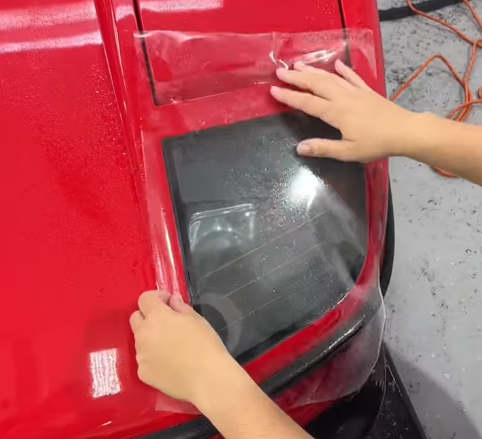
- Experience with complex curves – Headlights are more three-dimensional than most panels and require precise stretching and squeegee work.
- High-quality film – TPU-based PPF from reputable brands with strong clarity, self-healing, and yellowing resistance.
- Warranty terms – Many premium films offer multi-year guarantees against peeling, cracking, or excessive discoloration.
- Clean, climate-controlled install bay – Reduces dust and contamination trapped under the film.
If you’re already considering a full-front ppf wrap, ask your installer to include the headlights and fog lights in the package. The incremental cost is usually small compared with the price of replacing or restoring modern headlamp assemblies.
Choosing the Right Clear Film for Your Headlights
For headlights, optical clarity and UV resistance are non-negotiable. A dedicated clear ppf designed for transparent surfaces gives you the most natural look and the least impact on beam pattern.
Key specs to pay attention to:
- Thickness: Around 8–9 mil is common for modern PPF—thick enough for protection, flexible enough to wrap complex curves.
- Topcoat technology: Self-healing elastomeric topcoats resist swirls from washing and can repair light marks with warmth.
- Gloss and clarity: You want a high-gloss, low-haze film so the headlights look factory-clear, not “wrapped.”
- Yellowing resistance: Look for films engineered to resist UV discoloration over years of exposure.
Premium products like a gloss ultra PPF—similar to those used on exposed body panels—also work extremely well as headlight protection film, combining high impact resistance with optical-grade clarity.
DIY vs Professional Installation
Headlight film can be installed as a DIY project using pre-cut kits, but it’s more demanding than many people expect. Complex shapes, sharp corners, and tight gaps around the headlight housing leave very little room for error. Air bubbles, fingers (stretch marks), or misalignment can be distracting—and may reduce light output if they sit directly in the beam.
A professional PPF installer has:
- Slip solutions and squeegees matched to the specific film brand.
- Heat guns and stretch techniques for wrapping around curves without over-stressing the film.
- Dust-controlled bays that help prevent contamination under the film.
If you’re experienced with wrapping and already comfortable working with vinyl and PPF, DIY might work for you. Otherwise, most owners get better long-term results by having headlight film installed by the same shop that handles their body vinyl wrap or PPF packages.
Maintenance Tips to Keep Headlights Clear for Years
Once your headlight protection film is installed, a few simple habits will help it perform at its best and extend lens life even further:
- Wash regularly with a pH-neutral shampoo to remove bug residue, salt, and grime before they can etch the surface.
- Avoid harsh chemicals like strong degreasers, un-diluted wheel acids, or household cleaners on the lenses.
- Skip abrasive polishes intended for bare plastic; instead, use products approved for PPF if you want extra gloss.
- Inspect annually for chips, peeling edges, or deep damage so film can be repaired or replaced before the lens is exposed.
If your lights are already heavily yellowed, a professional headlight restoration (sanding, polishing, and re-adding a UV-protective layer) may be needed before film installation.:contentReference[oaicite:11]{index=11} Applying PPF on top of freshly restored lenses helps lock in that clarity and slow future degradation.
When Should You Replace vs Restore?
There is a point where lenses are so deeply crazed or cracked that restoration and film are no longer enough. Signs you may need full replacement:
- Deep internal yellowing throughout the plastic, not just on the outer surface.
- Extensive cracks or “crazing” patterns that don’t polish out.
- Severe moisture ingress, condensation, or reflector damage inside the housing.
On newer vehicles with only mild haze or early yellowing, a combination of restoration and headlight PPF is usually more cost-effective than buying new assemblies—and it keeps you safely within the light output expected when your car was designed and certified.
FAQ: Headlight Protection Film & Paint Protection Film Near Me
Will headlight PPF reduce my light output?
Quality, optical-grade PPF is designed to be virtually invisible in front of your lights. Installed correctly on a clean, smooth surface, it should have a negligible effect on beam intensity—especially compared with the huge losses caused by yellowing and haze over time.
How long does headlight protection film last?
Lifespan depends on the film brand, climate, and how often the vehicle is parked outdoors, but many modern films are engineered to last several years while resisting cracking and yellowing. In harsher climates with intense sun and road salt, proactive replacement will keep your lenses looking new.
Can I add headlight film if I already have a PPF wrap?
Yes. If you already have a front-end ppf wrap, adding headlight-specific film simply extends protection to another critical area. It’s a natural upgrade for drivers who want a fully protected front end, including lights, bumper, and leading edges.
Conclusion: Make Headlight Protection Part of Your PPF Strategy
Clear headlights aren’t just about looks—they’re a core safety feature. Research shows how quickly plastic lenses can lose transparency and how dramatically that can reduce light output as vehicles age, especially without extra protection.
If you’re already searching for paint protection film near me to safeguard your paintwork, it’s the perfect time to include your headlights in the plan. A high-quality clear ppf or dedicated headlight protection film gives you a durable, invisible shield that preserves clarity, performance, and resale value.
Pairing protective film with professional installation and sensible maintenance ensures your headlights stay bright, clear, and compliant with safety expectations for years to come—so every night drive feels as confident as the day you first drove your car off the lot.