
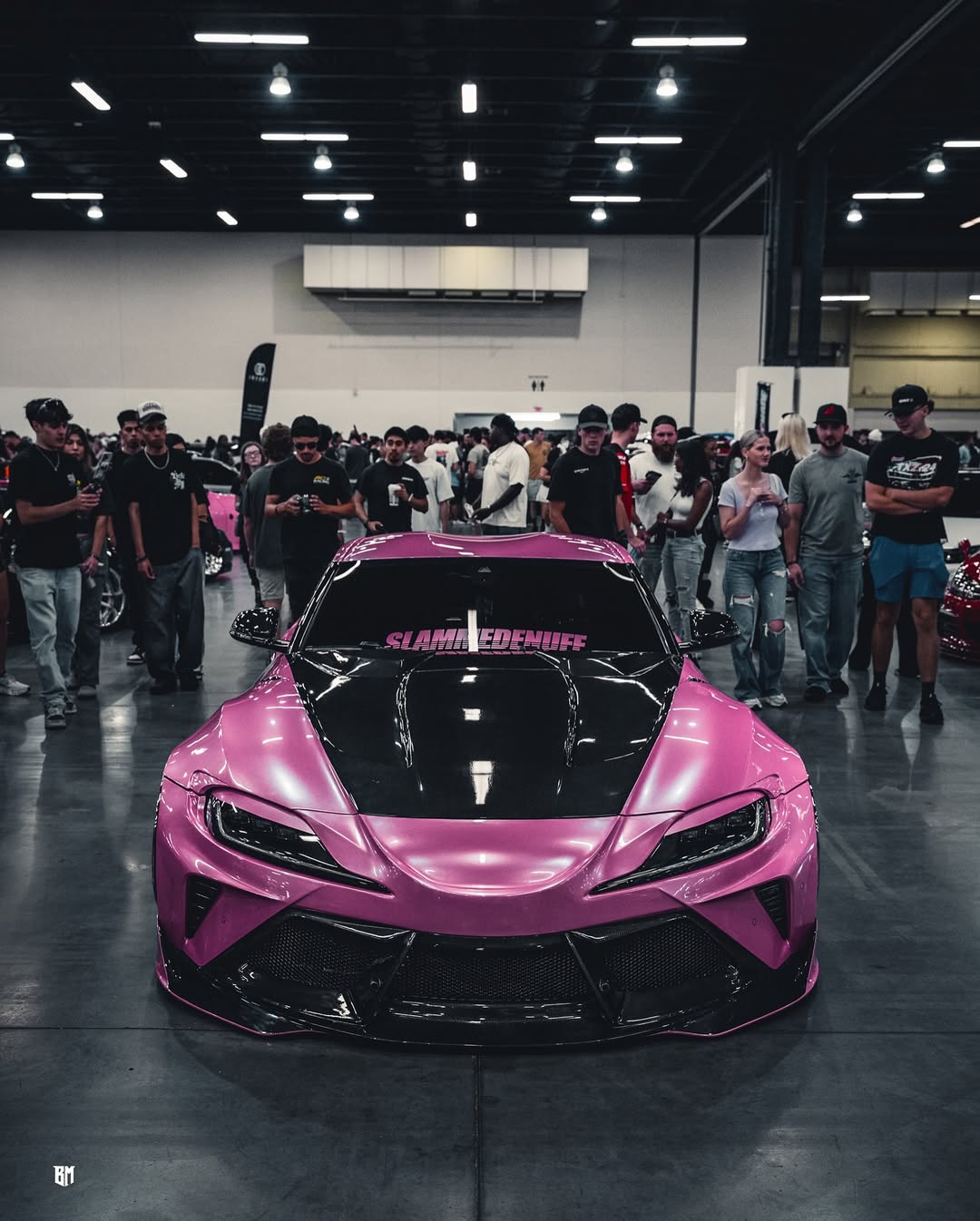
If you’re researching car wrap options, you’ve probably seen price quotes that vary widely. That’s normal—wrap pricing reflects material choice, vehicle size and complexity, installer skill, and how much surface preparation is required. Below, we unpack typical 2025 price ranges, what actually drives the final number, how wraps compare to repainting, and why wraps can be a smart value, not just a cost.
Typical 2025 Price Ranges
For a professionally installed full wrap on a standard sedan, expect ballpark pricing in the low-to-mid thousands. Larger SUVs and trucks trend higher, and exotic or highly complex bodywork can cost more due to added labor and film waste. Specialty finishes—like chrome, color-shift, or textured films—also carry premiums because they’re more difficult to install and often require meticulous paneling. If you only need a partial wrap (roof/hood/mirrors or a branding package), costs fall substantially because coverage area and labor hours drop.
What Drives the Cost?
- Film family & finish: Cast premium films are engineered to conform to curves and recesses and to last longer outdoors. Specialty effects (matte, satin, brushed, forged carbon, color-flip) are priced above standard gloss colors. “Mirror” or chrome-like films are the most demanding and time-intensive.
- Vehicle size & complexity: A compact hatchback has fewer square feet and simpler compound curves than a full-size SUV or wide-body coupe with deep channels, sharp spoilers, and intricate bumpers.
- Prep work: Thorough decontamination (wash, clay, degrease), emblem removal, light badge shaving, and any paint correction around chips or scratches all add time but directly improve adhesion and the final look.
- Labor quality: Certified installers follow clean-room practices, measure stretch, manage seams, and heat-set edges correctly. That expertise reduces the risk of lift, tunneling, or premature edge failure—saving rework later.
- Coverage choices: Full-body, color-change wraps cost more than partial coverage or simple branding kits. Door jambs and inner returns are optional add-ons that increase hours and materials.
Wrap vs. Paint: Cost and Outcome
Repainting a car to a high standard typically means significant prep (sanding, masking, panel removal) plus booth time, which translates into a larger bill—especially for custom colors or matte finishes. A wrap often reaches a similar visual transformation for less total spend, with additional advantages: you can return to the original paint later, change styles without permanent commitment, and protect the clear coat from UV and minor abrasion while the film is on the car.
Longevity, Warranty, and Maintenance
Modern cast films from leading manufacturers are designed for multi-year outdoor use when installed and cared for properly. Vertical surfaces (doors, fenders) last the longest; horizontal panels (hood, roof) see more UV and heat, so real-world life can be shorter. Specialty films like highly reflective chrome typically have the shortest life and require the most careful maintenance.
Routine care is straightforward: pH-neutral hand washing, microfiber drying, and periodic quick detailer to keep the surface slick. Avoid abrasive polishes on textured films, and promptly remove bird droppings and road tar. When it’s time for a style refresh or sale, a professional removal brings you back to original paint—one of the big value points of a wrap versus repaint.
When a Wrap Is the Best Value
- You want a color or finish paint can’t economically deliver: Unique textures (e.g., brushed metal) or bold color-flip effects are far more accessible with vinyl than with custom paint.
- You care about resale: Keeping OEM paint underneath can help preserve value—especially on newer or collectible models.
- Branding/advertising ROI: For fleets and small businesses, a wrap doubles as mobile advertising with exceptionally low cost-per-impression compared to many media buys.
- You need speed and reversibility: Wraps install faster than quality repaints and can be removed for lease returns or color resets.
Cost-Saving Tips Without Compromising Quality
- Choose a mainstream film color/finish: Standard gloss or satin shades are more budget-friendly than chrome or exotic textures.
- Go partial where it makes sense: Roof, hood, mirrors, and accents deliver high visual impact at lower cost. Pair accents with a classic black car wrap theme for timeless contrast.
- Invest in surface prep: Clean, corrected paint improves adhesion and wrap life—avoiding costly fixes later.
- Maintain consistently: Gentle washing and timely contaminant removal extend appearance and durability.
Wraps vs. Protective Films
Color-change vinyl primarily delivers aesthetics and light scuff protection. If your goal is rock-chip defense or you drive on debris-prone roads, pair a color wrap with selective high-impact protection, or consider clear paint protection film on leading edges for the best of both worlds.
Bottom Line
So, how expensive is it to wrap a car? Expect a professional full wrap to land in the low-to-mid thousands for most passenger vehicles, with price driven by film choice, vehicle complexity, and installation quality. Against quality repainting, wraps often deliver a lower total cost, faster turnaround, and the flexibility to change styles later—all while preserving OEM paint beneath. If you’re ready to explore colors, textures, or a subtle refresh, start with a consultation and material samples—and remember, a high-quality car wrap is as much about expert prep and installation as it is about the film itself.