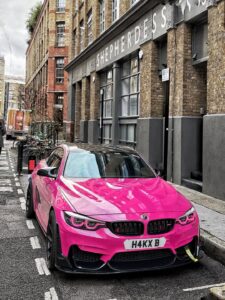
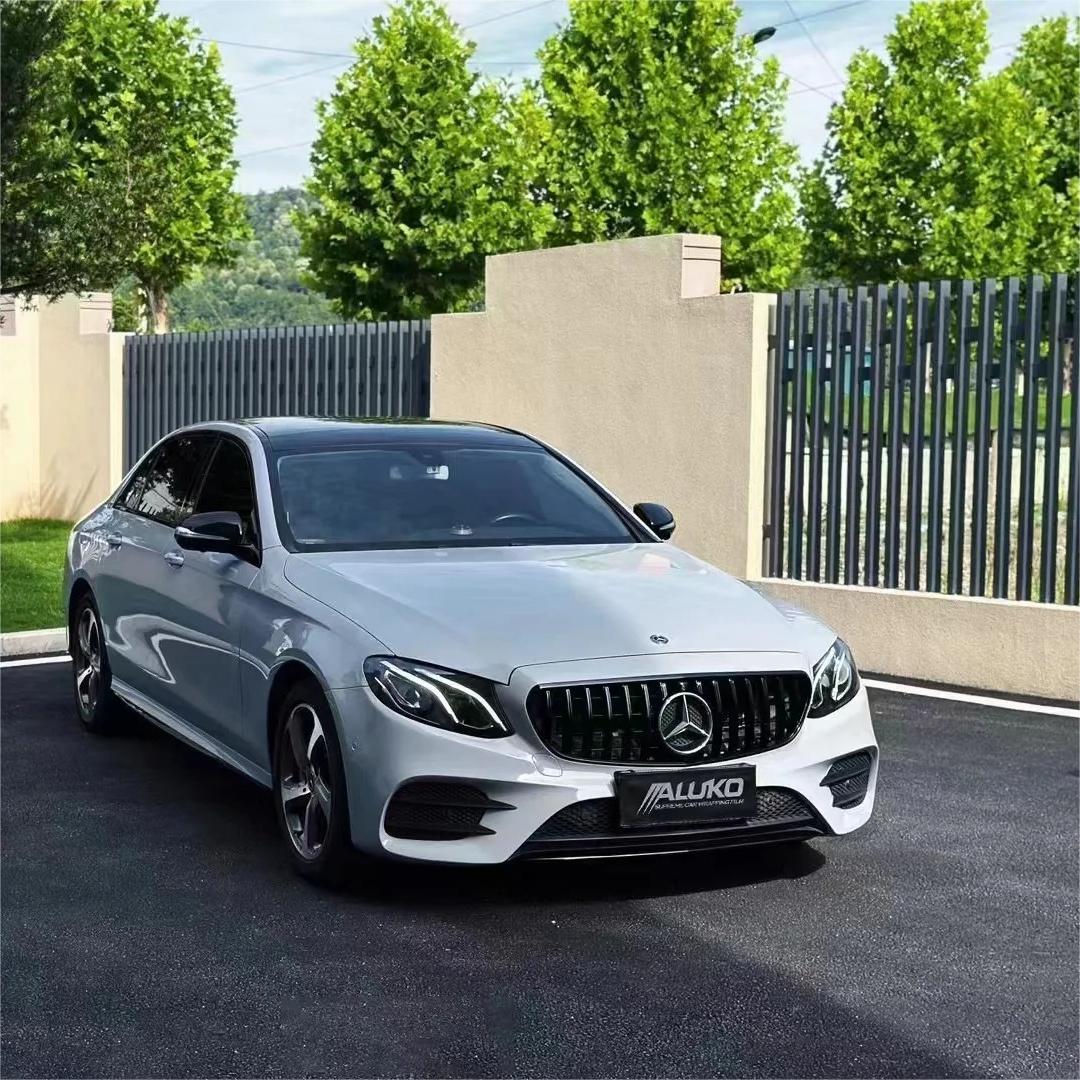
The BMW-inspired Brooklyn Gray look is crisp, contemporary, and unforgiving—every panel edge and contour shows. This guide walks you through the end-to-end method professionals use to deliver a flawless brooklyn gray wrap, from substrate prep to stretch management, post-heating, and aftercare. If you are still comparing films or finishes, explore our full wrap for cars catalog first, then return here to dial in your technique.
1) Selecting the Right Film and Finish
For the signature OEM-like appearance, choose a cast vinyl formulated for complex curves and low-orange-peel optics. A smooth gloss topcoat best replicates the paint-like depth of Brooklyn Gray; satin can mute reflections if you prefer a stealth look. For color consistency across repairs, stick to the same series and lot when possible.
| Finish Goal | Recommended Direction | Why It Matters |
|---|---|---|
| Paint-like gloss | Premium cast, high-gloss clear | Sharper reflections, minimal haze |
| OEM-style neutral gray | Brooklyn-tuned gray tone | Accurate hue under daylight and LEDs |
| Stone-chip resistance (front) | Hybrid: wrap + PPF on impact zones | Extends service life without repaint |
2) Professional Surface Preparation
- Decontaminate: Wash (pH-neutral), then use a clay bar or synthetic mitt to remove bonded grit—especially behind wheels and on lower rocker panels.
- Degrease: Wipe with 70–90% isopropyl alcohol on clean, lint-free towels. Replace towels often; oils re-transfer easily.
- Edges & Recesses: Use foam swabs around emblems, window trims, and door handles. Any residue in seams will weaken adhesion.
- Paint defects: Level nibs or chips; vinyl mirrors what’s beneath. Repair loose clearcoat before wrapping.
Environment: Aim for 68–77°F (20–25°C) with low dust and moderate humidity. Avoid drafts; moving air cools panels unevenly and complicates post-heating.
3) Panel Mapping and Grain Direction
Pre-cut panels with at least 3–4 inches of margin. Maintain consistent grain direction (especially on metallic or pearl greys) so flake orientation matches from fender to door. Mark hidden alignment points with low-tack tape to avoid skew on long doors and quarter panels.
4) Controlled Heat, Minimal Stretch
Brooklyn-tone greys show distortion quickly. Use a calibrated heat gun at a constant distance, keep film tension even, and avoid pulling from corners. Bridge complex areas (bumper inlets, mirror bases) first, then relax the film into recesses using the “heat-relax-set” cycle.
Key benchmarks
- Tack setting: Light warming to increase conformability; squeegee with overlapping strokes using a soft buffer.
- Stretch limit: Keep area expansion conservative (typically <10–12% in deep recesses) to preserve hue and gloss uniformity.
- Edge sealing: Use knifeless tape for tight trims; avoid over-trimming which can expose paint or leave jagged edges.
5) Post-Heating (The Make-or-Break Step)
After the film fully cools and relaxes, post-heat stretched zones (recesses, corners, and edges) to the manufacturer’s spec (commonly ~90–110 °C / 194–230 °F for cast vinyl). Move in small circles and verify with an IR thermometer. Proper post-heat resets the film’s memory and greatly reduces edge lift around fog-light bezels, license recesses, and bumper tabs.
6) Edge Strategy for a Paint-Like Result
- Hidden wraps: Whenever feasible, remove hardware (badges, trims, lights) and wrap edges into the panel return to hide seams.
- Seam placement: If a seam is unavoidable, place it along factory body lines or under a trim where sightlines break naturally.
- Primer judiciously: Adhesion promoter only in high-stress edges; mask adjacent paint to prevent over-application.
7) Defect Control and Finish Polishing
Micro-silvering on gloss greys is most visible under raking light. Reduce by reheating and re-squeegeeing with a softer buffer. Small tension lines can relax with controlled, uniform warming. Finish with a wrap-safe detailer; avoid ceramic coatings not rated for PVC until full cure time has elapsed.
8) Aftercare to Keep Brooklyn Gray Looking New
- Curing window: Avoid pressure washing for ~72 hours. Hand wash only during the first week.
- Routine wash: pH-neutral shampoo, microfiber mitts, and gentle two-bucket method. Rinse thoroughly to prevent water spotting on dark greys.
- Protection: Use wrap-safe sealants every 3–4 months, especially on horizontal panels that see stronger UV.
9) Ready-Made Color Match: Brooklyn Grey, Gloss
Want a vetted tone and finish out of the box? Compare and purchase a dedicated brooklyn gray wrap engineered for consistent hue, clean gloss, and conformability—ideal for modern sedans, coupes, and SUVs where panel alignment and reflection clarity are critical.
Quick Checklist (Print & Keep in the Bay)
- Control room: 68–77°F, low dust, stable lighting.
- Deep clean → clay → IPA wipe (edges and seams).
- Template panels with 3–4″ margin; keep grain direction consistent.
- Bridge → relax → set; limit stretch in recesses.
- Post-heat high-stress zones with IR temp checks.
- Hide edges, place seams on natural breaks, spot-prime where needed.
- 72-hour cure before pressure wash; apply wrap-safe sealant after cure.
Exploring more tones in the family? Browse the full grey car wrap range, or focus on high-sheen films in our gloss grey wrap collection. For complete color and material coverage, start with our all-category hub for wrap for cars.