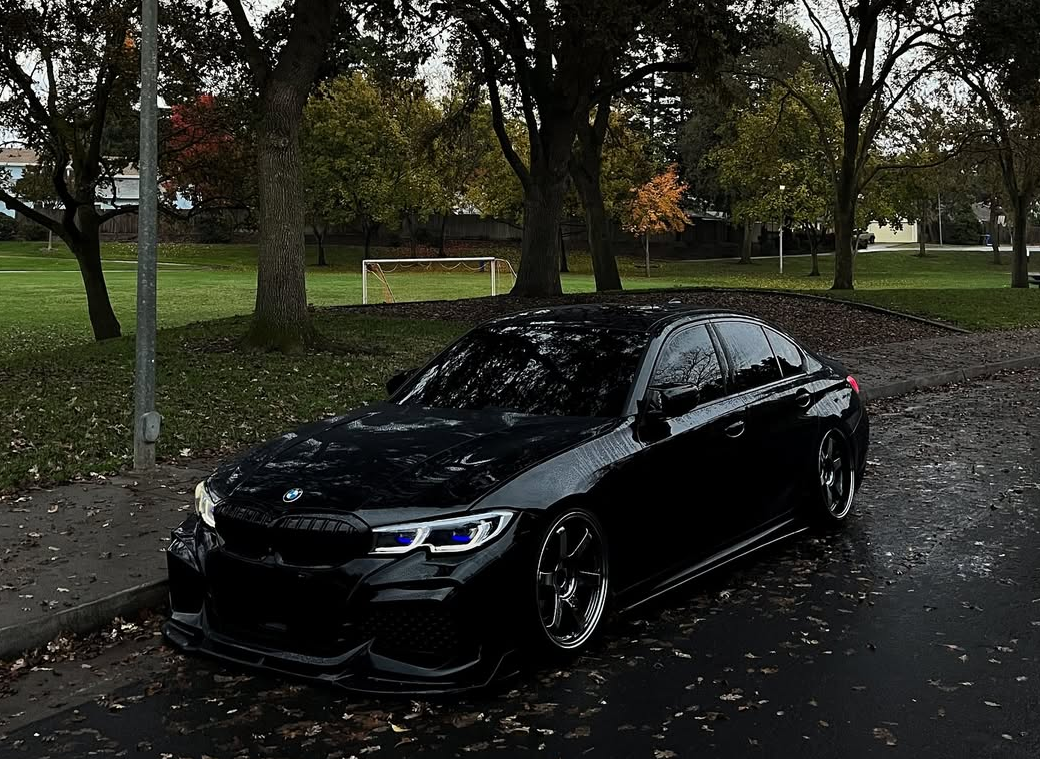
Few finishes look as premium as a deep, mirror-like piano black roof, hood, or pillar. The problem? Traditional paint in this color is notoriously difficult to maintain: it shows every swirl, water spot, and micro-scratch. That’s where piano black PPF (paint protection film) comes in—combining the ultra-glossy look enthusiasts want with serious, long-term protection for daily driving.
In this guide, we’ll break down what piano black PPF is, how it differs from a standard vinyl wrap, where it works best on your vehicle, and what to expect from a professional installation. You’ll see how a high-quality film can transform your car’s style while shielding the paint from rock chips, UV damage, and wash-induced swirls.
What Is Piano Black PPF?
Piano black PPF is a colored paint protection film that combines two goals in one layer: a rich, jet-black appearance and robust physical protection. Instead of being just a cosmetic wrap, piano black PPF is built on a thermoplastic polyurethane (TPU) base with an advanced top coat designed to absorb impacts, resist chemicals, and self-heal light scratches when exposed to heat.
Material Structure and Typical Thickness
Most modern paint protection films use multi-layer TPU construction. A typical stack includes:
- Adhesive layer engineered for optical clarity and clean removal.
- TPU core layer (often around 6–8 mils thick) that absorbs rock chips, road rash, and light impacts.
- Top coat with self-healing and hydrophobic properties for gloss and easier maintenance.
For environments with heavy highway driving, gravel roads, or harsh winters, some detailers recommend moving to slightly thicker performance films (8–10+ mils) in the most exposed areas, such as front bumpers, hoods, and rocker panels. This gives extra resistance to pitting and repeated abrasion while still maintaining high optical clarity when properly installed.
Self-Healing and Hydrophobic Performance
One of the biggest advantages of piano black PPF over painted piano black is its self-healing behavior. Minor swirls and light marring from hand-washes or automatic car washes can relax and level out when warmed by the sun or gentle heat. That means the surface stays smoother and glossier over the life of the film compared with bare black paint that would require heavy polishing to maintain.
High-end TPU films also integrate hydrophobic and anti-contamination coatings. These help:
- Repel water and road grime, reducing water-spotting.
- Make bugs, bird droppings, and tar easier to remove.
- Slow down staining or dulling from environmental fallout.
On a dark finish like piano black, these properties are especially valuable: you get deeper reflections and a “freshly detailed” look with less intensive maintenance.
Piano Black PPF vs Vinyl Wrap and Traditional Paint
If you’re comparing options for a black roof or gloss black accents, the main alternatives are repainting, using a standard cosmetic wrap, or choosing piano black PPF. Each has a different balance of cost, durability, and appearance.
A traditional repaint with piano black paint can look incredible on day one but is vulnerable to stone chips, swirl marks, and clearcoat failure over time. Re-polishing aggressively to restore a flawless finish removes clearcoat and can shorten the life of the paint.
A cosmetic wrap offers flexible styling and is often more budget-friendly upfront, but it’s usually thinner and less impact-resistant than dedicated PPF. On heavily exposed areas like hoods and front bumpers, rock chips and sandblasting can wear through a thin wrap faster than a protective film of similar thickness designed specifically for impact resistance.
Piano black PPF sits between these approaches. It delivers the deep, high-gloss black look people expect from a premium wrap but uses a TPU architecture optimized for long-term protection, self-healing, and resistance to chipping. For many owners, especially of newer vehicles, that combination makes it the smarter long-term investment.
Key Benefits: Gloss, Elegance, and Real-World Protection
When correctly installed, high-quality piano black PPF offers a mix of aesthetic and functional advantages:
- Mirror-like piano gloss. The film is engineered to be optically smooth, minimizing “orange peel” and distortion so reflections look sharp across roofs, hoods, pillars, and trim.
- Protection from rock chips and road rash. The TPU core absorbs small impacts from gravel, debris, and winter road treatments that would otherwise chip or pit paint or a thin cosmetic wrap.
- Self-healing against light scratches. Swirl marks from washing, wiping, or automatic car washes can soften or disappear altogether with heat, helping the finish stay glossy longer.
- UV and chemical resistance. Quality PPF is formulated to resist yellowing and degradation, even in sunny or harsh climates, while also protecting the underlying OEM paint from UV exposure.
- Easier maintenance. Hydrophobic top coats let water bead and sheet quickly, so the surface is easier to wash and less prone to water spots when maintained correctly.
For owners who want their car to stand out with a deep, blacked-out aesthetic but still be driven daily, piano black PPF is one of the few solutions that truly supports both goals at once.
Where Piano Black PPF Works Best on a Vehicle
Because it is both functional and stylish, piano black PPF can be applied strategically to high-visibility and high-impact areas. Common placements include:
- Roof panels for a floating-roof effect on SUVs and sedans.
- Hoods for a motorsport-inspired, aggressive look.
- A-pillars, B-pillars, and window trim to create a continuous glass-and-black profile.
- Mirror caps and spoilers for subtle contrast and protection.
- Front bumpers and lip areas where the finish takes the most abuse from road debris.
Piano black PPF can also be combined with other colored ppf tones across the body, such as stealth grey, metallic blue, or tinted clear films, to build a layered, custom look that still keeps OEM paint safe underneath.
How to Install Piano Black PPF for a Showroom-Level Finish
Installation quality is just as important as film quality. A premium film can only reach its full visual potential if the installer follows precise prep, alignment, and finishing steps. While we always recommend working with an experienced PPF professional, it’s helpful to understand the process.
1. Surface Preparation
The panel must be thoroughly washed, decontaminated, and inspected. This often includes a chemical decontamination and, for darker finishes, a light polish to remove existing swirls or haze. Any dirt or defects left underneath will be visible through the piano black film and can compromise adhesion.
2. Pattern Selection and Test Fit
Installers may choose between pre-cut patterns and bulk installation:
- Pre-cut patterns are digitally plotted to match specific models and reduce the need for cutting on the vehicle.
- Bulk installs allow custom coverage and extended wrapping around edges and recesses for a more seamless, OEM-like result.
For a premium piano black finish on large panels like roofs and hoods, many professionals favor bulk methods to minimize seams and visible edges.
3. Application, Squeegee Work, and Edge Finishing
Using a slip solution, the film is positioned, then carefully squeegeed to remove air and solution. Installers control tension to avoid distortion in reflections. Edges are wrapped and sealed where possible to prevent lifting and to keep dirt from building up along exposed lines.
After installation, the film needs time to set and off-gas. Any remaining micro-bubbles or slight haziness typically clears over the next few days as the film cures.
4. Aftercare and Maintenance
To keep piano black PPF looking its best:
- Wait the recommended curing time before the first wash.
- Use pH-neutral shampoos and soft wash media.
- Avoid harsh solvents or aggressive clay on the film.
- Top with a compatible sealant or ceramic coating if desired for extra slickness and ease of cleaning.
With proper care, a quality piano black film can deliver years of high-gloss appearance and protection before needing replacement.
Piano Black PPF Within the TPU Car Wrap Ecosystem
Modern paint protection solutions increasingly rely on advanced TPU platforms that blend flexibility, impact absorption, and self-healing behavior. If you’re already exploring tpu car wrap options for your build, piano black PPF is a natural extension of the same technology: it leverages the same family of materials, but with a color-infused, gloss-first focus tailored for high-impact, high-visibility panels.
This makes it ideal for owners who want to build a complete protection strategy—clear PPF on vulnerable areas where the factory color should remain visible, and piano black PPF on zones where a blacked-out, floating, or contrast look is part of the design vision.
Why Choose a Dedicated Piano Black PPF from a Specialist Brand
Not all black films are created equal. Low-cost options may suffer from orange peel, premature fading, or difficulty in maintenance. A dedicated piano black PPF from a specialist brand is engineered specifically for:
- Deep black pigment with high optical clarity.
- Consistent gloss levels across large panels.
- Resistance to yellowing and discoloration over time.
- Predictable stretching behavior during installation.
When evaluating options, look at real-world photos, warranty terms, and the film’s technical data sheet. Leading manufacturers of PPF and TPU films publish detailed information on thickness, elongation, self-healing, and UV resistance, so you can match the product to your climate and driving profile.
Is Piano Black PPF the Right Choice for Your Vehicle?
If you want a glossy, elegant black finish that makes your vehicle stand out without sacrificing daily-driving practicality, piano black PPF is a strong contender. It offers:
- A deep, piano-like gloss that enhances lines and reflections.
- Serious protection against chips, road rash, and swirl marks.
- Self-healing and hydrophobic behavior for easier maintenance.
- Compatibility with broader protection strategies, including clear and colored films on other panels.
For buyers who want a protected black-out look with product support and clear specifications, exploring a dedicated piano black ppf from a specialist supplier is one of the most reliable ways to get both long-term protection and a premium visual finish.
Combined with advanced solutions across the broader paint-protection and wrap range, including high-performance colored ppf lines and TPU platforms, owners can build fully customized, high-gloss protection packages that keep vehicles looking sharp through years of real-world driving.