
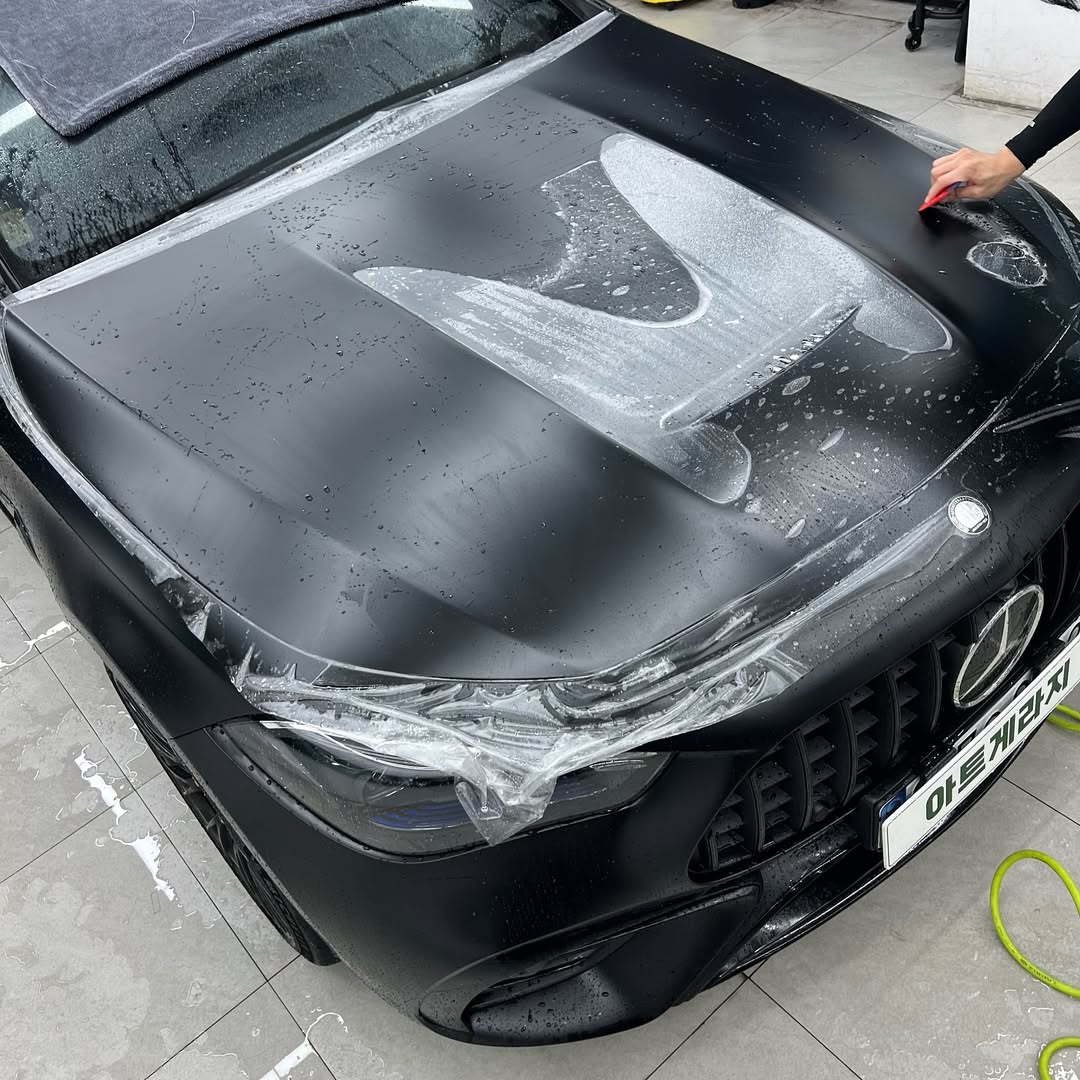
Core keyword: ppf coating
Paint Protection Film (PPF) has evolved rapidly in the last decade. Today’s ppf coating stacks use aliphatic TPU bases, elastic self-healing clear coats, and durable hydrophobic finishes to keep paint looking new for years—even under harsh weather, UV, and road grime. Leading manufacturers now publish robust data on weathering, stain resistance, and optical clarity, while installers and fleet managers increasingly treat PPF as a long-term asset rather than a cosmetic add-on.
What “PPF Coating” Means in 2025
PPF is a multi-layer film engineered to absorb impact and resist contamination without altering the vehicle’s color. A typical construction includes:
- Topcoat: a clear polyurethane coating with elastomeric behavior that lets micro-scratches relax (self-heal) and provides stain/chemical resistance.
- Base Film: aliphatic TPU engineered for optical clarity, UV stability, and long-term flexibility.
- Adhesive: an acrylic, pressure-sensitive layer balanced for tack and clean removability.
- Release Liner / Cap Sheet: protects the topcoat before install; many premium films ship with a removable cap to guarantee a flawless finish.
Key Performance Gains from Modern Formulations
1) Self-Healing and Surface Renewal
Heat (sun/engine bay/warm water) activates the elastic memory of the topcoat so fine swirls fade without polishing. This keeps gloss higher for longer and reduces maintenance cycles for detailers and fleets.
2) Hydrophobicity and Stain Resistance
Newer topcoats feature low surface energy finishes that bead water and resist organic contaminants (bug residue, bird droppings) and road films. The benefit is practical: easier washes, less etching, and better long-term clarity—especially on light paints.
3) UV Stability and Anti-Yellowing
Aliphatic TPU and UV-screening packages dramatically slow yellowing. Technical sheets from major brands now specify outdoor weathering protocols and care instructions that preserve optical performance for many years in service.
4) Balanced Thickness and Flexibility
Premium films typically live around 7–8 mil (≈0.18–0.20 mm) for impact absorption while maintaining stretch for complex panels and recessed channels. Installers gain faster tack-and-reposition behavior with fewer lift lines.
How Quality Is Validated: Test Methods that Matter
When you compare PPFs, don’t just look at gloss numbers—look for test methods. Standardized protocols enable fair comparisons across brands:
- Weathering: ASTM G154 or ISO 4892 xenon/fluorescent exposure for UV and humidity cycling (yellowing, gloss retention).
- Adhesion: cross-hatch or peel tests (e.g., ASTM D3359/D3330) to ensure reliable bonding but safe removal.
- Mechanical: tensile/elongation and tear resistance (e.g., ASTM D882/D1004) for installability and chip absorption.
- Abrasion/Chemical: abrasion loss (ASTM D1044) and chemical exposure guidance from OEM technical data sheets.
Reputable brands publish many of these metrics in their technical data sheets, along with recommended cleaners (typically pH-neutral) and maintenance intervals.
Choosing the Right Finish: Clear vs Colored PPF
If your goal is “invisible protection,” a high-gloss clear ppf wrap preserves OEM paint depth and metallic flake while adding impact resistance and self-healing. For a design change without painting, consider colored ppf finishes (including satin/matte) that integrate the same TPU core and protective topcoats—ideal when you want both transformation and protection in one install.
Installation Insights: Where Formulation Meets Real-World Fit
On the shop floor, chemistry shows up as better “wet-out,” cleaner edges, and fewer stretch marks. Modern acrylic adhesives are optimized for slide and set—crucial for large hood/bumper templates—yet release cleanly during future removals. Heat-set self-healing keeps delivery marks from squeegees and towels from becoming permanent swirls.
Maintenance Playbook for Long-Term Performance
- Use pH-neutral, non-abrasive shampoos; avoid strong solvents/alkaline cleaners to protect the topcoat.
- For persistent water spots, mild chemicals and quick detailers approved for coated films are safer than heavy polishing.
- Warm water or sunlight can accelerate self-healing; resist machine compounding unless the film maker approves it.
How PPF Complements Vinyl Wraps
Many owners combine aesthetic wraps with PPF in high-impact zones. A color or graphic vinyl wrap can define the look, while targeted PPF on bumpers, leading edges, and rocker panels handles chips and scuffs. For clear-only protection, a full-body clear ppf wrap keeps the OEM finish pristine without visual change.
Spec Checklist When Comparing PPF Brands
- Base polymer: aliphatic TPU (look for “aliphatic polyurethane” in the data sheet).
- Topcoat behavior: documented self-healing and stain resistance; ask for chemical lists and recovery guidance.
- Optical clarity: haze/transmission metrics and anti-yellowing claims tied to specific weathering tests.
- Thickness: around 7–8 mil with adhesive is common for premium protection and easy installation.
- Maintenance: official care instructions (pH-neutral cleaners, cure times, coating compatibility).
When to Choose Clear vs Color—and Where to Start
Daily-driven cars, track toys, and long-haul fleets all benefit from PPF, but priorities differ. If resale value and factory-fresh gloss are the goals, select a high-clarity, self-healing clear ppf wrap. If you want a new finish with built-in protection, explore colored ppf. For owners already planning a color change, pair aesthetic vinyl wrap panels with targeted high-impact PPF pieces for the best of both worlds. And for a deep dive into film families and specs, visit our ppf coating overview page.