
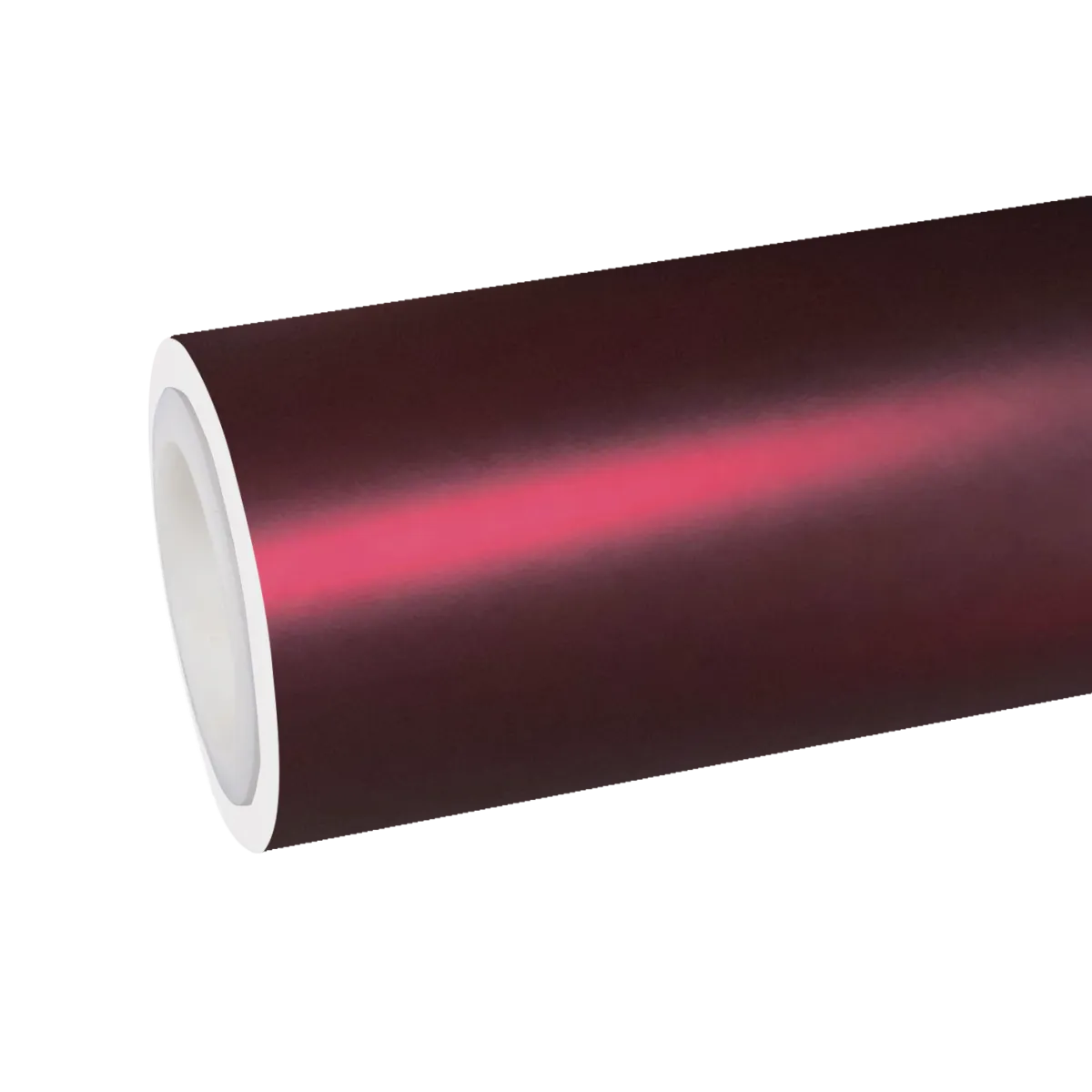
Satin paint protection film (PPF) has become the go-to upgrade for drivers who want real-world protection and a refined, low-sheen finish without repainting. Instead of choosing between a glossy “showroom” look or a flat matte wrap, satin PPF delivers a smooth, modern sheen while shielding your clear coat from chips, scratches, UV fade, and everyday wear.
What Is Satin Paint Protection Film?
Paint protection film is an aliphatic TPU (thermoplastic polyurethane) layer applied over your vehicle’s paint to absorb impacts from sand, salt, and road debris while resisting stains and UV-induced yellowing.:contentReference[oaicite:0]{index=0} High-quality automotive PPF typically sits around 7.5–8 mil total thickness (film plus adhesive), balancing optical clarity with serious impact resistance.:contentReference[oaicite:1]{index=1} Satin paint protection film uses this same TPU construction but with a low-sheen topcoat that softens reflections and gives the paint a subtly “luxury matte” character.
In short, satin PPF is not just a style wrap; it is a protective membrane engineered to:
- Disperse the energy of stone chips and road debris
- Self-heal light swirls and wash marks when exposed to heat or sunlight
- Act as a sacrificial layer against bug acids, bird droppings, and industrial fallout
- Reduce UV fading and oxidation on the original clear coat
Satin vs. Gloss vs. Matte: How the Finish Changes the Look
Traditional clear PPF is high-gloss, designed to look almost invisible while amplifying the shine of factory paint. Matte PPF pushes in the opposite direction, flattening reflections for a bold, “frozen” show-car look. Satin paint protection film sits right in the middle: a low-sheen, silky finish that retains shape and depth while toning down harsh reflections.
That “in-between” character is why satin PPF has become popular on modern vehicles like Teslas, BMW M cars, Porsches, and high-end SUVs. It makes curves, character lines, and body creases more visible, without the maintenance demands of a full matte respray. On dark colors, satin adds a rich, stealthy feel; on white or silver cars, it delivers a clean, ceramic look that’s easier to keep looking fresh.
Why TPU Satin PPF Outperforms Basic Vinyl Films
Not all films are created equal. Older or budget alternatives often use PVC or TPH instead of TPU. PVC is thin, rigid, prone to cracking, and more likely to yellow within just a few years. TPH improves flexibility but still lacks the self-healing and long-term durability of true TPU. For long-lasting paint protection, TPU remains the benchmark: it stretches cleanly over complex curves, recovers from minor scratches with heat, and resists chemical staining far better than PVC-based films.
Satin PPF from premium TPU stock offers:
- Enhanced durability – multi-year resistance to chips, etching, and mechanical abrasion
- Self-healing topcoat – swirls soften or disappear with engine heat, hot water, or sunlight
- Hydrophobic behavior – water beads and runs off, carrying away dust and road film
- Stable color and clarity – engineered to minimize haze and yellowing over time
Real-World Protection for Daily Drivers and Enthusiasts
On real roads, your vehicle’s front end constantly takes hits from grit, salt, insects, and small debris. A high-quality satin paint protection film acts like flexible armor, absorbing these impacts before they reach the clear coat. Independent PPF manufacturers consistently highlight resistance to stone chips, micro-scratching, and UV degradation as core performance benchmarks.
Beyond impact protection, hydrophobic and stain-resistant topcoats make maintenance easier. Bug splatter and tar release more easily during hand washing, and water spotting is reduced when the car air-dries. Over a 5–10 year ownership window, this can dramatically cut down on correction work, repaint costs, and the gradual “aged” look that daily-driven paint often develops.
Satin PPF vs. a Standard Vinyl Wrap
Many owners first encounter vehicle films through a traditional vinyl wrap for cars. A wrap is excellent for fast color changes and graphics, but its primary job is visual, not impact protection. Most PVC or PET wraps are thinner, less elastic, and more vulnerable to chipping, chemical etching, and long-term UV damage than TPU PPF.
Satin paint protection film combines the best of both worlds: you get a distinctive new finish plus serious paint defense. With colored and satin PPF options, you can re-tone the vehicle while still using a dedicated impact-absorbing layer instead of a thin cosmetic wrap. Aluko’s color ppf lineup is designed precisely for this “style plus protection” use case, letting you choose from multiple shades and textures without sacrificing TPU performance.
When Does Satin Paint Protection Film Make the Most Sense?
Satin PPF is particularly attractive in these scenarios:
- Full body makeovers – You like your car’s color family but want a more upscale, low-sheen finish without repainting.
- High-value vehicles – EVs, performance coupes, and luxury SUVs where preserving OEM paint is crucial for resale value.
- Dark and high-contrast colors – Satin reduces visible swirls and washes streaks more effectively than high-gloss on black, navy, and deep metallics.:contentReference[oaicite:14]{index=14}
- Long-term keepers – Daily drivers you plan to keep for 5–10 years, where long-term UV and chip resistance pays for itself.
- Detailing enthusiasts – Owners who enjoy a “ceramic, soft glow” look rather than maximum mirror gloss.
Installation Best Practices: Getting the Most from Satin PPF
Even the best film can underperform if installed in poor conditions. Aluko’s own installation guidelines recommend a controlled environment of roughly 25 ± 3 °C, moderate humidity, and a dust-free workspace, plus professional tools such as felt-edged squeegees, heat guns, and masking tape.
Key steps for installers include:
- Thorough decontamination wash (including clay or chemical de-iron if needed)
- Panel inspection and spot correction of major defects before film application
- Careful stretching with gentle tension, especially over complex curves and bumpers
- Squeegeeing from the center outward to avoid trapped air or solution
- Post-heating edges and recessed areas to lock down adhesion and reduce lift
After installation, most manufacturers recommend avoiding washes and heavy rain for 24–48 hours while the adhesive cures, then using pH-neutral shampoos and avoiding harsh solvents to preserve the topcoat’s self-healing and hydrophobic behavior.
Choosing the Right Satin PPF from Aluko
When you’re evaluating specific satin PPF products, focus on film construction, warranty, and test data. Aluko’s TPU-based lines highlight key specs such as tensile strength, peel strength, adhesive chemistry, and expected durability in years, giving installers and shop owners measurable benchmarks rather than just marketing claims.
If you want a broader TPU offering beyond satin white and chrome tones, the dedicated tpu car wrap category showcases clear and colored TPU films designed for long-term paint protection, not just short-term styling. For drivers who specifically want a red, satin-chrome makeover with built-in protection, Aluko’s satin paint protection film option wraps the vehicle in a deep, low-sheen red while still acting as a robust impact barrier.
If you’re still comparing finish types or planning a multi-vehicle strategy, Aluko’s complete guide to buying PPF and its dedicated article on paint protection film cost can help you understand how thickness, coverage, and film technology influence price and long-term value.
Is Satin Paint Protection Film Worth It?
For many owners, the answer is yes—especially if you care about keeping OEM paint intact while upgrading the visual character of the car. Satin paint protection film offers a unique combination of aesthetics and engineering: TPU-grade protection against real road hazards, plus a refined, low-sheen finish that looks at home on modern EVs, performance cars, and high-end daily drivers alike.
Instead of choosing between a cosmetic wrap and a clear bra, satin PPF lets you do both in one step: restyle the vehicle and lock in long-term protection. Paired with professional installation and basic maintenance, a high-quality satin film from a specialist like Aluko can help your vehicle hold its value, photograph beautifully, and stay easier to clean—day after day, season after season.