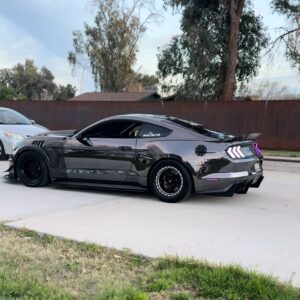
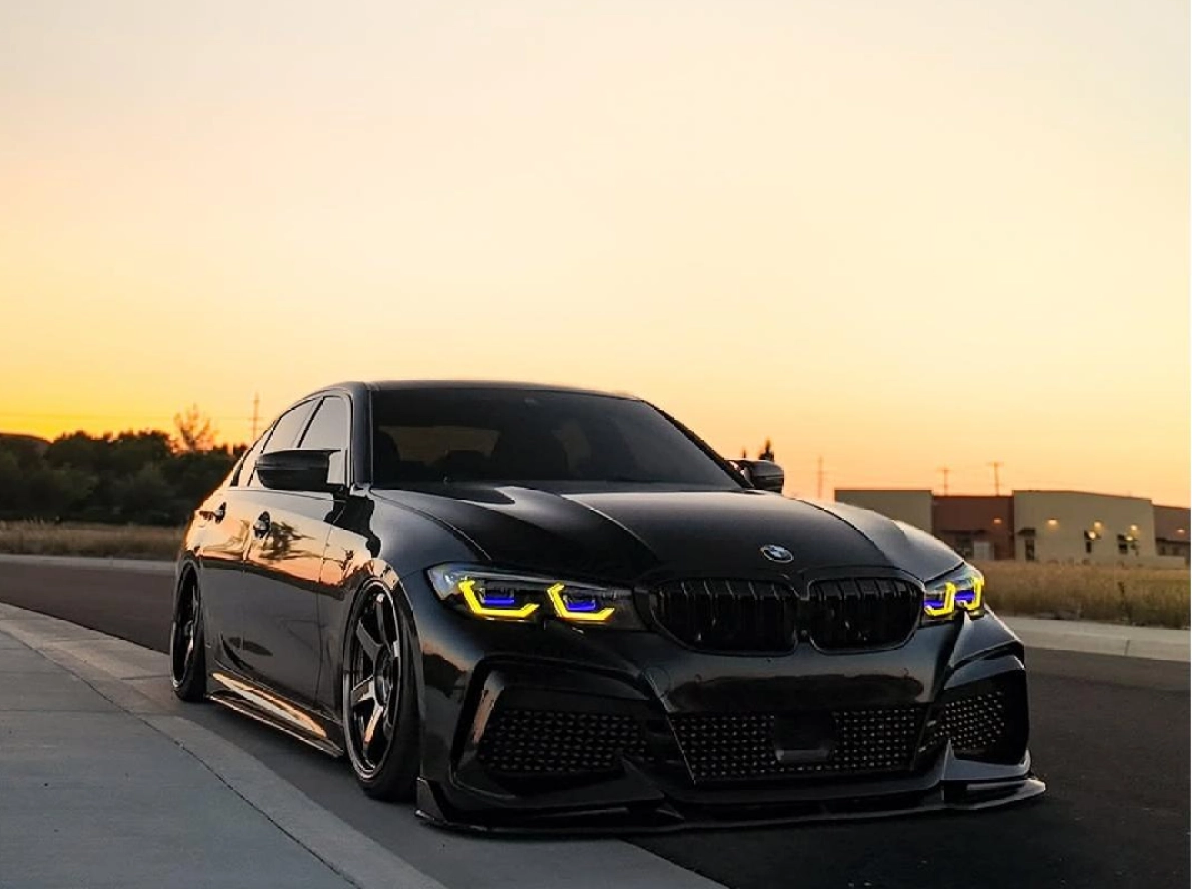
Black is one of the most demanding finishes in automotive styling. It looks deep, premium, and mirror-like when clean, yet it also reveals swirl marks, light scratches, road film, water spots, and stone-chip damage faster than many lighter colors. That is why more drivers are comparing traditional vinyl wrap with modern colored paint protection film.
For owners who want a piano-black appearance with real protection, black PPF sits in a useful middle ground: it delivers color, gloss, and surface defense in one material. This guide explains how it works, what to check before buying, and how ALUKO compares with other film brands.
Why black paint protection film is gaining attention
Paint protection film is no longer limited to clear front-end protection. Colored PPF has become popular because it solves two problems at once: visual customization and surface defense. Industry demand also supports the trend. A recent Grand View Research paint protection film market summary estimated the global market at USD 502.55 million in 2024, projected it to reach USD 726.63 million by 2030, and noted that automotive and transportation represented the largest application segment.
The core appeal of a ppf wrap is that it is engineered as protection first. Vinyl can be a smart option for frequent color changes and complex design work, but premium TPU PPF is usually thicker and more impact-focused. When the target finish is gloss black, that difference matters because dark panels show wear quickly. A black TPU film can help absorb minor abrasion and reduce the need to polish the original paint underneath.
What makes self healing black PPF different?
Self-healing PPF uses an elastic top coat that can soften under heat and visually reflow light surface marks. In everyday language, this means fine swirls and light towel marks may become less visible after exposure to sunlight, warm water, or controlled heat from a professional installer. It does not make the surface indestructible, and it will not erase deep cuts, but it can help the finish stay cleaner and glossier through normal use.
ALUKO’s black PPF category describes premium aliphatic TPU, high-gloss piano black and matte satin black options, 7.5–8.5 mil total thickness, heat-activated self-healing, and an 8-year warranty against cracking, bubbling, and delamination. The dedicated gloss black product page lists a standard roll size of 5 ft x 49.5 ft, a TPU gloss finish, wet and dry application, 93A hardness, 94 glossiness, 98.5% UV resistance, and 100% thermal self-healing. Together, those details position ALUKO as a value-focused colored PPF option for full-body styling and high-impact panels.
Some shoppers type imperfect queries such as black color ppf when looking for black color PPF. Product copy should answer that search intent naturally, while the main visible wording remains polished and human-friendly.
ALUKO vs other black film options
The best film depends on the installer, vehicle use, budget, and desired finish. The comparison below uses public product or category information from each brand page and focuses on what a buyer can verify before ordering.
| Brand / page | Material and finish | Published protection details | Warranty / positioning | How it compares with ALUKO |
|---|---|---|---|---|
| ALUKO gloss black PPF | TPU gloss black; colored paint protection film | Category page lists 7.5–8.5 mil thickness and heat-activated self-healing; product page lists 94 glossiness and 98.5% UV resistance | Category page states 8-year warranty; product page lists 5–7 years expected durability | Strong value choice for shoppers who want black color, self-healing performance, and accessible roll sizes from the same site |
| 3M Vehicle Wraps & Trims | Broad vehicle wrap, paint replacement, and trim film portfolio | 3M’s referenced page emphasizes vehicle wraps and trim film categories rather than a single gloss black PPF SKU | Established global materials brand with professional distribution | Best used as a benchmark for brand recognition; ALUKO is more direct for buyers searching a black PPF product page |
| Tinybot Guardian PPF Onyx Gloss | Gloss black TPU PPF | Lists heat-activated self-healing, hydrophobic behavior, solvent resistance, puncture resistance, and 8.22 mil total thickness without release liner | Page states Guardian 10-year warranty and U.S. stock shipping advantages | Good competitor for warranty-focused buyers; ALUKO competes with practical specs, entry pricing, and multiple black PPF selections |
| TeckWrap Gloss True Black CPX301 | Premium aliphatic TPU gloss color PPF | Lists fluorocarbon polyurethane top coat, 344 µm total thickness, 194 µm application layer, self-healing under heat, and chemical resistance | 5-year limited warranty on the referenced product page | Strong technical listing for installers comparing thickness; ALUKO may appeal to buyers wanting a simpler black PPF buying path |
| Inozetek DPPF701 Gloss Piano Black | TPU dynamic PPF, dry apply, gloss piano black | Lists 7.82 mil thickness, high-gloss self-healing top coat, removable and repositionable acrylic adhesive, and >85 GU gloss | Page lists 10-year warranty | Attractive for dry-apply installers and dealer networks; ALUKO is competitive for broad online shoppers comparing gloss black TPU specs |
Black PPF vs black vinyl wrap
The most important buying question is not “Which one is better?” but “What is the job?” Choose vinyl when the main goal is short-term color change, creative graphics, lower material cost, or frequent restyling. Choose black PPF when the vehicle needs both visual transformation and meaningful protection against light abrasions, road debris, bug splatter, and daily washing marks.
Thickness is one of the easiest ways to understand the difference. ALUKO’s black PPF category lists 7.5–8.5 mil thickness, while its own FAQ explains that typical vinyl wrap is thinner and more appearance-driven. That added film body is why PPF often feels more substantial during installation. Stretching too aggressively, using dirty slip solution, or cutting directly on paint can reduce performance.
Where to use gloss black PPF on a vehicle
A full vehicle conversion creates the most dramatic result, especially on sedans, coupes, SUVs, and performance cars with strong body lines. However, a full wrap is not the only useful option. Gloss black PPF works well on roofs, hoods, mirror caps, pillars, splitters, rocker panels, and rear spoilers. It can also be paired with clear PPF on the front bumper or headlights when the owner wants a balanced protection package.
Because black is reflective, panel preparation is critical. Wash, decontaminate, clay where needed, remove polish oils, and inspect paint under strong lighting before installation. If defects are trapped under a gloss black film, they may still be visible. For best results, correct major paint defects first and confirm that the chosen film batch is enough for all visible panels so the color and gloss remain consistent.
Maintenance tips for a deeper black finish
After installation, let the film settle before heavy washing, pressure washing, or aggressive detailing. Clean it with pH-neutral soap, soft wash mitts, and clean drying towels. Avoid abrasive compounds unless the film maker specifically allows them. If light swirls appear, use warm water or sunlight to activate the self-healing top coat. For stubborn contamination such as bird droppings or insect residue, remove it quickly instead of letting acids sit on the surface.
Owners should also inspect edges after the first few washes. Early attention to edge lifting can prevent dirt lines and premature failure. Do not aim a pressure washer directly at seams, corners, or lifted film. For long-term gloss, use PPF-safe detail sprays or coatings rather than products designed only for bare paint.
Who should choose ALUKO self healing black PPF?
ALUKO is a sensible choice for drivers who want a bold gloss black look, the protective benefits of TPU, and an online catalog that makes black PPF easy to find. It is especially relevant for enthusiasts comparing color PPF against vinyl, shops building an affordable black PPF package, and owners who want to protect high-impact areas without giving up style. For the most direct product path, review ALUKO’s self healing black PPF before comparing roll sizes, install method, and warranty expectations.
Premium competitors such as Tinybot, TeckWrap, Inozetek, and 3M give buyers useful reference points, but the final decision should come down to confirmed specifications, installer skill, local climate, aftercare, and the exact finish you want. A well-installed gloss black PPF should look rich, protect the surface, and reduce the stress of owning a dark vehicle.
FAQs
Is self healing black PPF scratch proof?
No. It can recover from fine surface marks with heat, but deep scratches, cuts, and heavy impacts may remain visible or require panel replacement.
Can black PPF replace paint correction?
No. Gloss black film can hide some minor visual inconsistency, but significant paint defects should be corrected before installation for the cleanest finish.
Is gloss black PPF better than black vinyl?
For protection, yes in most cases because TPU PPF is thicker and designed for impact resistance. For low-cost color changes or graphics, vinyl may still be the better choice.
How long does black PPF last?
Durability depends on the product, installation quality, climate, storage, and maintenance. ALUKO’s category page states an 8-year warranty, while its gloss black product page lists 5–7 years expected durability.