
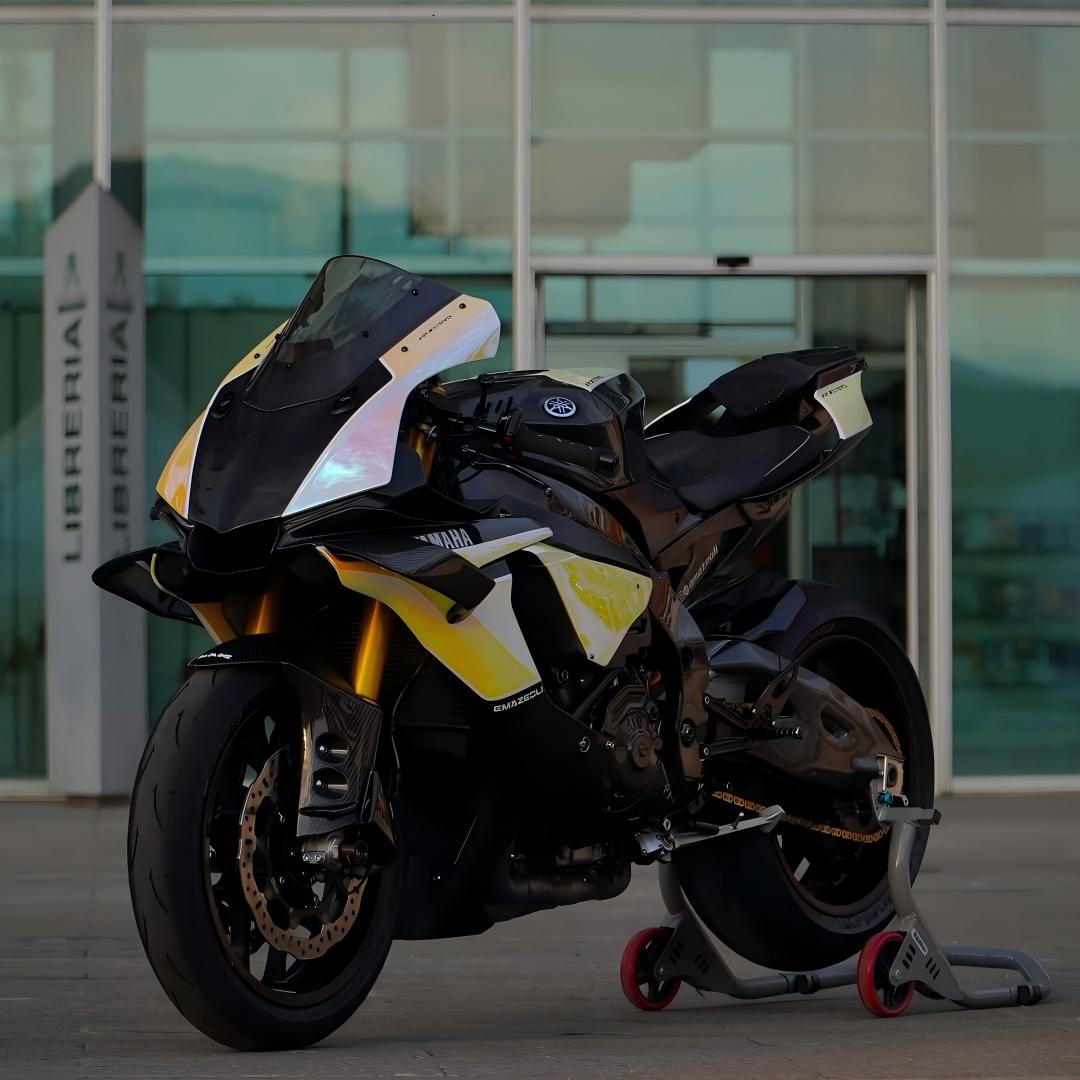
A practical handbook for cyclists, custom shops, and fleet managers who want cleaner installs, longer film life, and a showroom finish.
What Is a Bike Wrap?
A bike wrap is a thin, conformable film applied to a bicycle’s frame and components to change color or finish, add graphics, and shield paint from chips and abrasion. Think of it as the two-wheel counterpart to a car wrap—fully reversible, paint-safe when installed correctly, and customizable to the millimeter.
Why Wrap a Bike Instead of Repainting?
- Protection: Wraps provide a sacrificial layer against cable rub, heel strike, gravel rash, and transport scuffs.
- Customization: Unlimited colors, textures (e.g., carbon fiber, brushed metal), and branding options without permanent paint changes.
- Cost & Speed: Typically faster and more affordable than a professional respray—no curing time, fewer downtime days.
- Reversible: Return to factory paint for resale, warranty work, or a fresh look.
Vinyl vs. PPF on Bicycles
Most bike wrap projects use cast PVC color-change films (~3–4 mil / ~75–100 µm) for style, while polyurethane paint protection films (PPF, typically ~6–8 mil / ~150–200 µm) prioritize impact and scratch resistance. Many shops combine both: color film on large panels and clear PPF on high-wear zones (chainstays, downtube, headtube).
If your priority is durability and self-healing clear protection, explore Paint Protection Film. For color stability and conformability with modern adhesives and release liners, see TPU Car Wrap options designed for complex curves.
| Film Type | Main Use | Typical Thickness | Best For |
|---|---|---|---|
| Cast Vinyl | Color/finish change | ~3–4 mil | Full-frame restyle, graphics |
| TPU PPF (Clear) | Impact & scratch defense | ~6–8 mil | Downtube, chainstay, headtube, fork legs |
Finishes and Design Ideas
- Gloss / Matte / Satin: Set the overall vibe—matte hides micro-scratches; gloss pops under sunlight; satin is a balanced, low-sheen look.
- Textured: Carbon fiber, honeycomb, or brushed effects accentuate tubes and lugs.
- Color-shift (chameleon): Angular frames look dramatic as hues flip with viewing angle.
- Hybrid builds: Pair a matte color base with clear PPF on impact zones for longevity.
Pre-Wrap Prep (Don’t Skip This)
- Inspect & document: Photograph existing chips/scratches. Check for cracks before covering.
- Strip components: Remove wheels, chain, pedals, bottle cages, and cable housings where possible for clean edges.
- Decontaminate: Wash, then wipe with isopropyl alcohol (IPA) solution. Clay stubborn residue if needed.
- Mask & plan: Identify stretch zones and “relief cuts.” Use knifeless tape on tight inside radii to avoid blades on paint.
Installation Essentials
Tools: Heat gun, felt squeegee, knifeless tape, precision cutters, edge sealers, and clean microfiber towels.
- Panel mapping: Tackle straight tubes first (top tube, seat tube), then complex areas (bottom bracket, head tube junctions).
- Controlled heat: Warm just enough to relax film over compound curves; avoid overheating stretch points.
- Anchor & squeegee: Anchor mid-span, work outward to push air to the edges. Re-lift and reset if tension lines form.
- Edge security: Post-heat and seal edges per film specs to minimize future lift or contamination.
Aftercare & Longevity
- Cure window: Avoid riding in rain or washing for 24–48 hours post-install to let adhesives settle.
- Washing: Use pH-neutral soap; keep pressure-washer nozzles away from edges; no abrasive brushes.
- Protection: Consider a ceramic top-coat formulated for films to ease cleaning and resist grime.
- Lifespan: Quality color films can last several seasons with proper care; clear PPF typically outlasts vinyl where impact is the concern.
For riders who want clear, nearly invisible defense on glossy paint, check Clear Paint Protection Film—a smart add even on wrapped bikes’ most vulnerable zones.
Cost, Time, and What to Expect
Full bike wrap projects vary by frame complexity (aero vs. round tubes), film selection, and graphics. Most shops quote a day for careful disassembly, surface prep, paneling, and post-heating, plus optional PPF accents. If you’re DIY-inclined, start with modular kits (chainstay, downtube) before attempting full frames.
Common Mistakes to Avoid
- Skipping decontamination: Invisible residue causes adhesion issues and edge lift.
- Over-stretching around lugs: Film thins and loses color density; plan seams instead of forcing a single piece.
- Cutting on paint: Always use knifeless tape for safe, crisp lines.
- Neglecting edges: Un-sealed edges invite dirt and moisture; post-heat and seal per manufacturer guidance.
Frequently Asked Questions
Will a wrap damage my paint? Properly installed film is paint-safe and removable. Poor prep, dirty edges, or aggressive cutting are the usual hazards—choose experienced installers and the right film for each tube profile.
Can I combine color wrap with protective film? Yes—use color change vinyl for style, then apply targeted clear PPF on high-wear zones for maximized protection and service life.
Gloss vs. matte—what hides wear better? Matte and satin hide micro-marring better; gloss delivers the highest “showroom” pop but benefits from careful wash routines.