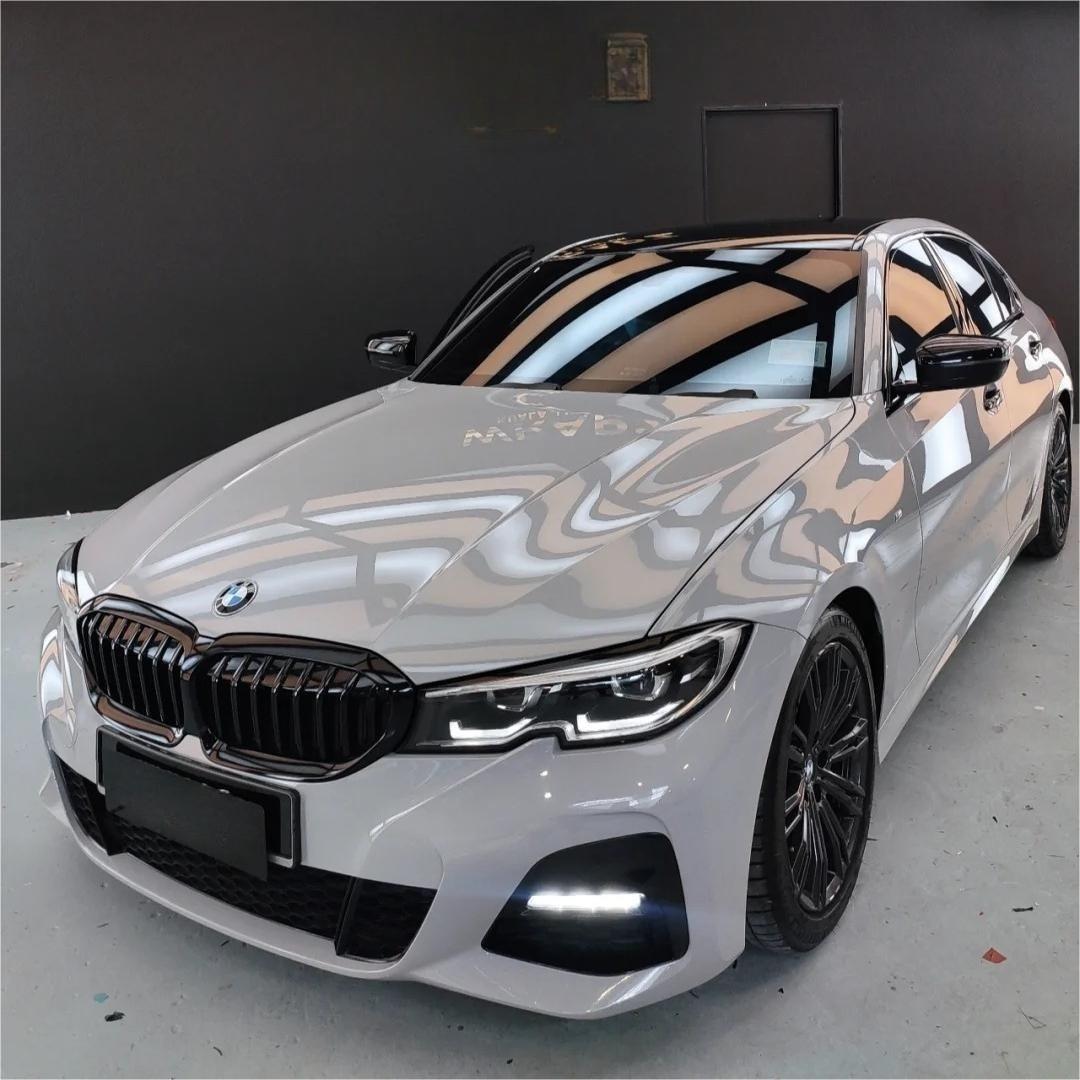
Light nardo grey has become the “quiet flex” of modern car styling—clean, technical, and premium without trying too hard. In this guide, you’ll learn where the nardo look comes from, why light nardo grey works so well on today’s body lines, and how to choose the right finish and wrap workflow for a factory-like result.
What “Light Nardo Grey” Really Means
Light nardo grey is a lighter, cleaner interpretation of the iconic “nardo” family of greys: it keeps the modern, non-flashy character of nardo-inspired tones while lifting brightness so body creases and panel geometry read more sharply under daylight and shop lighting. In practice, light nardo grey tends to look “tighter” on modern vehicles because it highlights surfacing without the heavy, dark visual mass of deeper greys.
If standard nardo grey feels like “motorsport primer turned premium,” light nardo grey feels like “architectural minimalism”: crisp, balanced, and extremely compatible with black trim packages, gloss black roofs, and contrasting wheel finishes.
A Quick History of the Nardo Grey Aesthetic
The nardo-grey look is widely associated with Audi’s performance-era greys and the broader shift toward understated, technical colors. The name is commonly connected to Italy’s Nardò test-track heritage, and the aesthetic became a modern icon when non-metallic greys started appearing as high-end OEM options on sporty trims.
What matters for today’s builders is the visual language the color created: a grey that looks deliberate, engineered, and performance-forward—especially when paired with black trim, aggressive aero pieces, and large-diameter wheels. Light nardo grey takes that same language and makes it more daily-drivable and more “design-led.”
Why Grey Keeps Winning (and Why “Light” Wins in 2025 Builds)
Grey remains one of the most popular automotive color families worldwide, and neutral/achromatic palettes continue to dominate many regions. That’s not just a trend—it’s a functional design choice: greys hide dust better than black, look cleaner longer than white, and complement almost any trim and wheel package.
Light nardo grey specifically is thriving because it delivers the “premium minimal” vibe without flattening the car’s sculpting. On EVs and modern performance models with complex surfacing, light nardo grey helps designers and owners show off form while staying understated.
Best Applications: Styles, Vehicle Types, and Use Cases
Light nardo grey is unusually versatile. Here are the applications where it consistently looks “right”:
- Sport sedans & coupes: emphasizes shoulder lines and aggressive stance without shouting.
- Performance SUVs: balances size and shape—clean, premium, and not overly dark.
- EVs: pairs naturally with black glass roofs, flush trim, and aero-focused design details.
- Show builds with restraint: a perfect base for accent colors (caliper paint, stripes, mirror caps).
- Business fleets (premium look): modern, consistent, and brand-friendly when paired with subtle decals.
When to avoid it
If your vehicle has heavy orange peel, worn clear coat, or mismatched panels, any light-toned wrap can reveal imperfections. The solution isn’t avoiding the color—it’s prioritizing prep and panel alignment before installation.
Design Playbook: Trim, Wheels, and Accent Color Pairings
The fastest way to make light nardo grey look “OEM-plus” is to control contrast. Use these proven pairings:
- Trim: gloss black window trim + black badges = sharp, modern silhouette.
- Wheels: satin black, gunmetal, or brushed silver; avoid overly warm bronze unless you want a “stance” vibe.
- Accents: red or yellow calipers for performance energy; or keep it monochrome for a stealth look.
- Interior tie-in: black interior with light stitching complements the exterior’s minimal tone.
Quick “Do / Don’t”
- Do: keep your palette to 2–3 materials (grey + black + one accent).
- Don’t: mix too many finishes (e.g., matte wrap + chrome trim + high-gloss decals) unless it’s a show concept.
Finish & Film Choices: Gloss vs. Satin vs. Matte
Choosing the finish is not just taste—it changes how body lines read and how the car photographs. Use this quick comparison as your decision guide:
| Finish | How it looks | Best for | Notes |
|---|---|---|---|
| Gloss Light Nardo Grey | Most “OEM-like”; clean reflections | Daily drivers, premium builds | Shows body lines clearly; great for photos |
| Satin / Semi-matte | Soft, modern, less reflective | Stealth styling, aggressive shapes | Can hide minor defects better than high gloss |
| Matte | Flat, design-forward, “concept” vibe | Show builds, bold minimalism | Care matters more; fingerprints and oils show |
If your goal is “factory but better,” gloss light nardo grey is typically the safest choice. It reads premium under sun and still looks clean under cloudy conditions.
Installation Notes That Preserve the “OEM Clean” Look
A light nardo grey wrap looks best when the panel finish is smooth and your seams are planned—not improvised. Use this checklist to keep the result crisp:
- Surface prep: decontaminate, clay (if needed), and remove wax/silicones thoroughly.
- Edge strategy: plan where you’ll hide seams (body lines, under trim, inner returns).
- Heat discipline: use controlled heat for stretching; avoid overheating flat areas.
- Post-heat: post-heat critical edges and recessed areas to lock memory and reduce lift risk.
- Final inspection: check edges, corners, and high-tension curves before delivery.
Pro tip: on light tones, alignment matters more than aggression—clean seams beat “one-piece hero stretches” every time.
Care, Washing, and Long-Term Appearance
Light nardo grey stays “fresh” when you keep wash habits simple and consistent:
- Hand wash with a gentle, wrap-safe shampoo whenever possible.
- Avoid harsh solvents and strong petroleum-based cleaners on edges and seams.
- Use soft microfiber to prevent fine marring, especially on gloss finishes.
- Dry thoroughly to prevent water spotting that can dull the “clean grey” look in photos.
Where to Start on ALUKOVINYL (Links)
If you’re selecting material now, start here:
- Browse the full vinyl wrap catalog to compare finishes and tones.
- For broader shade options, explore the grey car wrap collection.
- Want the classic nardo family first? Review the narodo grey wrap overview page.
- Ready for the exact tone featured in this guide? Go directly to the light nardo grey wrap product page.
Optional internal picks if you’re comparing close alternatives: Gloss Nardo Grey and Matte/Satin Nardo Grey can help you decide how reflective you want the finished build to be.
FAQ
Is light nardo grey the same as nardo grey?
Not exactly. Light nardo grey is typically brighter and can look cleaner and more “architectural,” especially in gloss. Nardo grey often reads slightly deeper and more “motorsport” in mood.
Will light nardo grey make my car look bigger or smaller?
Light nardo grey usually makes surfaces look more defined and crisp. On larger SUVs, it can reduce visual heaviness compared to darker greys while still keeping a premium presence.
What wheel colors work best with light nardo grey?
Satin black, gloss black, gunmetal, and brushed silver are the safest pairings. If you want a show vibe, bronze can work— but keep trim consistent so the look stays intentional.
Does gloss or satin look more “OEM”?
Gloss generally looks most OEM-like because it mimics clear-coated paint reflections. Satin is more “custom-modern” and can feel more aggressive depending on the vehicle.
What’s the #1 mistake with light nardo grey wraps?
Rushing prep and seam planning. Light tones reward clean alignment; sloppy edges stand out more than they would on darker wraps.