PPF paint protection film has gone from a niche “clear bra” option to a must-have upgrade for new cars, EVs, performance builds, and daily drivers. If you are wondering whether it is really worth it, what it actually protects against, or how it compares to a vinyl wrap, this guide walks you through everything you need to know before you invest.
In this complete guide, we will explain how PPF works, the differences between clear and color films, how long quality films last, and how to choose the right coverage and material for your driving style and budget.
What Is PPF Paint Protection Film and How Does It Work?
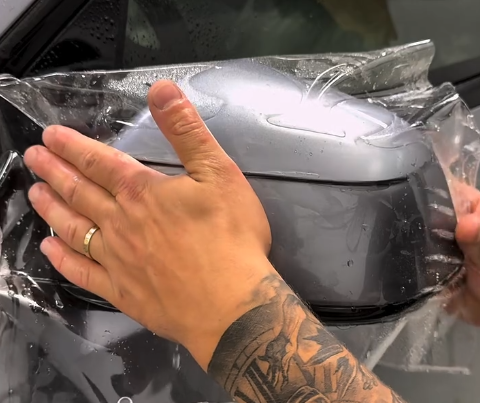
PPF (paint protection film) is a transparent, thermoplastic urethane (TPU) film that is installed on top of your vehicle’s clear coat. Typically around 6–10 mil (0.006–0.010 inch) thick, it is engineered to absorb the impact of rock chips, gravel, and other road debris before they reach the paint. Modern PPF films add UV resistance, chemical resistance, and self-healing top coats that allow light swirls and fine scratches to disappear with heat from the sun or warm water.
A typical PPF paint protection film is built from several layers:
- Clear coat / self-healing layer – an elastomeric top layer that flexes and “closes up” light marring.
- TPU core – the main protective layer that absorbs impacts and resists stretching and tearing.
- Pressure-sensitive adhesive – bonds the film to your clear coat while staying removable when it is time to replace.
- Release liner – removed during installation to expose the adhesive.
Unlike a ceramic coating, which hardens on the surface but offers almost no impact resistance, PPF is a true physical barrier. And unlike repainting damaged panels, it is reversible: once the film has done its job and taken the abuse, it can be removed and replaced while your factory paint stays protected underneath.
What Does PPF Actually Protect Against?
When it is properly installed, PPF paint protection film significantly reduces the everyday damage that causes a car to look “tired” after a few years. High-quality films help to:
- Deflect rock chips and gravel thrown up at highway speeds.
- Reduce scratches and swirl marks from washing and drying.
- Resist stains and etching from bug splatter, bird droppings, tree sap, and road tar.
- Slow down UV-driven fading and oxidation of the paint.
- Protect high-touch areas such as door cups, door edges, and trunk ledges from daily scuffs.
PPF is not an indestructible shield. It will not stop dents from major impacts, curb rash on wheels, or deep gouges from collisions. But for the most common day-to-day damage—especially on front bumpers, hoods, and rocker panels—it adds a highly effective, sacrificial layer that takes the hit instead of your paint.
PPF vs Vinyl Wrap: Which One Do You Really Need?
Both PPF and a vinyl wrap are thin films that change how your car looks, but they are designed with different priorities. A wrap is usually PVC-based and optimized for color, finishes, graphics, and branding. It is fantastic for full color changes, liveries, and logos, but it is thinner and not engineered to absorb repeated high-energy impacts in the way dedicated PPF does.
PPF paint protection film, by contrast, is thicker, more elastic, and chemically tuned for impact and stain resistance. In real-world use, quality films can last around 5–10 years with proper maintenance, while most cosmetic vinyl wraps are closer to a 3–5-year lifespan depending on climate and care. For many owners, the ideal solution is a hybrid approach: PPF on the high-impact front end and rocker panels, with a design-driven wrap on lower-risk panels if you want a custom look.
Clear PPF vs Color PPF: Finish Options Explained
When people talk about a “clear bra,” they are usually referring to a completely transparent clear ppf installed on the most vulnerable painted surfaces. High-end clear films are designed to be virtually invisible, preserving your OEM color while boosting gloss and depth. On many colors—especially black, dark blue, and red—the result is a deeper, wetter look that still reads as factory paint.
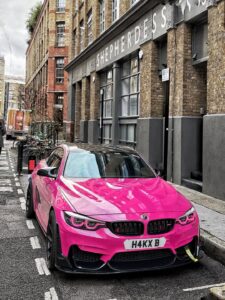
If you want protection and a subtle restyle at the same time, a modern color ppf is the best of both worlds. These TPU-based films build the protective structure of PPF into tinted, matte, satin, or color-shift finishes. You can turn a gloss car to matte, add a stealth sheen, or lightly smoke certain panels while still benefiting from chip and stain resistance. Just remember to check local regulations before applying PPF over lighting elements or reflective surfaces.
Where Should You Install PPF? Partial vs Full Coverage
The right coverage strategy depends on how you use the car, the value of the vehicle, and your budget. You do not have to wrap the entire car to get strong real-world protection, but you should prioritize the panels that see the most abuse:
- Front bumper and lower grille – highest impact zone for rock chips.
- Front portion of the hood and fenders – catches debris and bugs at speed.
- Side mirrors and A-pillars – exposed to airflow and road grit.
- Rocker panels and lower doors – constantly sandblasted by tires.
- Trunk ledge and door cups – high-touch areas that collect scratches.
Common coverage packages include a “partial front” (hood strip + fenders + bumper), a “full front” (entire hood, fenders, and bumper), and full-vehicle PPF for high-value cars, exotics, and long-term keepers. Daily drivers that see a lot of highway miles benefit most from at least a full front and rocker protection.
Lifespan, Warranty, and Maintenance
High-quality PPF paint protection film is designed as a long-term solution, not a short-term accessory. In today’s market, reputable TPU films typically last around 5–10 years, with many manufacturers backing their premium lines with 7–12-year material warranties when the film is professionally installed and properly maintained. Longevity depends on climate, sun exposure, road conditions, and how you wash and care for the film.
To maximize the life of your PPF:
- Use a pH-neutral car shampoo and soft wash media.
- Avoid automatic brush tunnels that can scratch and lift film edges.
- Keep high-pressure washers away from seams and panel edges.
- Remove bug splatter and bird droppings promptly to prevent etching.
- Consider a ceramic coating on top of PPF for easier cleaning and enhanced hydrophobic behavior.
With this level of care, your film can quietly protect the vehicle for many years, significantly reducing the need for correction or repainting and helping the car hold its value.
Thickness, Materials, and Specs: What to Look For
When comparing PPF options, it is easy to get lost in technical specs. A few numbers and material choices matter more than others. Standard automotive films sit around 6–8 mil in thickness; heavier-duty options can reach 8.5–10+ mil for extra chip resistance on high-impact zones. Thicker is not automatically better—very thick films can be harder to install cleanly on complex curves—but it usually brings increased impact resistance when paired with a quality TPU core and high-grade adhesive.
Material choice is critical. Modern premium PPF is almost always TPU-based because TPU offers better clarity, elasticity, stain resistance, and long-term stability than traditional PVC “clear” films. Cheaper PVC-type films may yellow, haze, or crack earlier, especially under intense UV exposure. When you evaluate a product line, pay attention to whether it is TPU-based, what warranty it carries, and how it looks in real samples—not just in photos.
How to Choose the Right PPF Paint Protection Film
To choose the right setup for your car, work through three simple questions:
- How long will you keep the car? Long-term ownership and leased vehicles with strict return standards benefit most from higher-coverage PPF.
- How and where do you drive? Highway commuters, track cars, and mountain or winter driving justify more coverage and thicker films on high-impact areas.
- What look do you want? If you love your factory color, lean toward stealth or glossy clear films. If you want a style change with built-in protection, explore color and finish options.
From there, you can decide whether to start with a front-end package or go straight to full-vehicle coverage, and whether you prefer a stealth matte look or a high-gloss finish. Exploring a dedicated ppf wrap collection from a specialist lets you compare clear, matte, and colored films that are all engineered for long-term protection rather than short-term cosmetics.
Is PPF Worth It?
In most cases, yes. A quality PPF paint protection film installation costs less than fixing and repainting multiple chipped panels, especially on modern metallic and tri-coat paints. It also preserves factory paint—which is a major selling point when you decide to trade or sell the vehicle. Whether you daily-drive a compact car, run a premium SUV, or protect a high-end sports car, pairing the right film with a professional installation is one of the most effective ways to keep your car looking new for years.
If you are ready to spec a package, explore your options for clear and colored PPF, think about how you use the car, and talk through coverage and maintenance with your installer. A carefully chosen film and coverage plan will give you the peace of mind to enjoy every drive—without flinching every time you hear a stone hit the front bumper.