
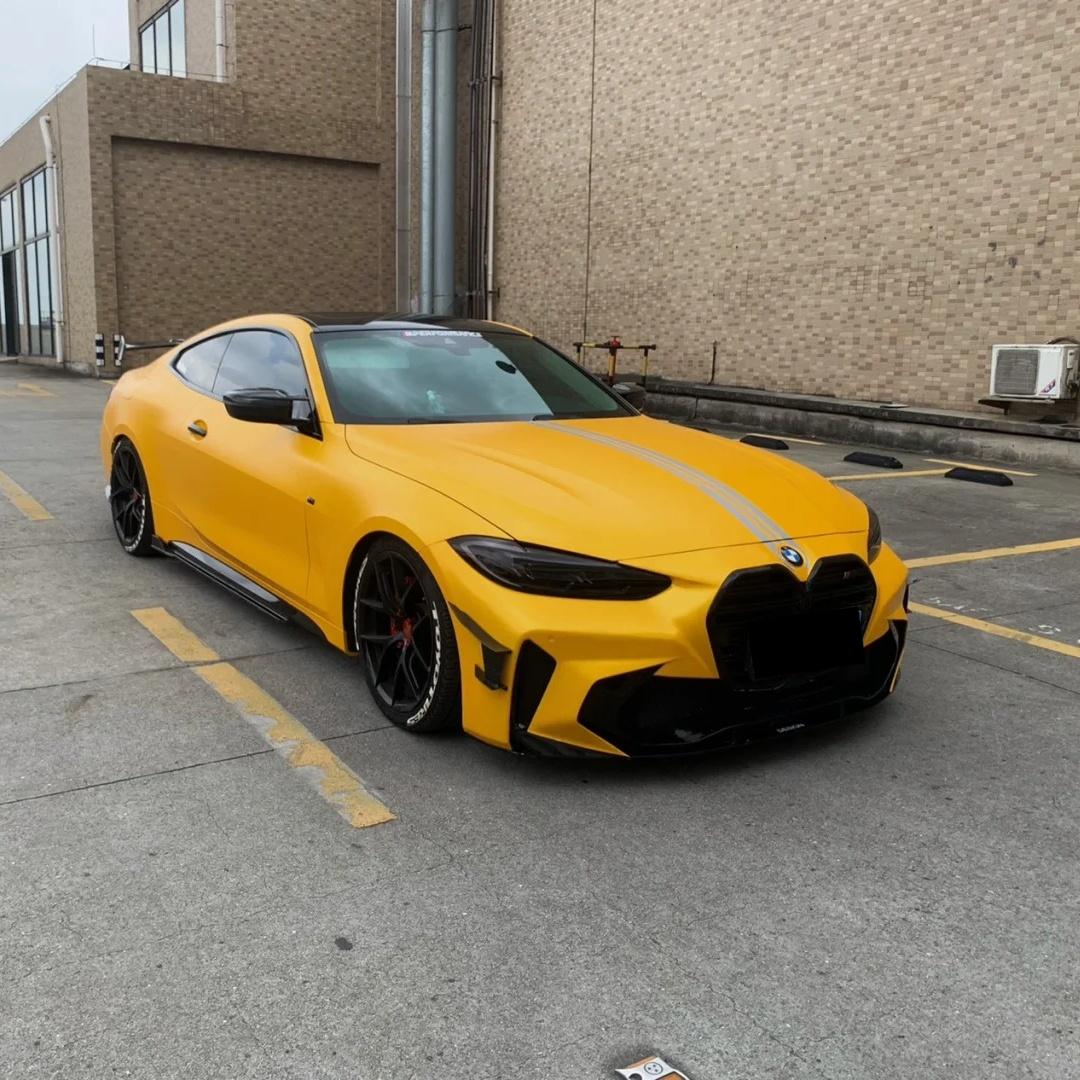
Whether you’re dressing a daily driver or planning a show build, understanding the vinyl wrap price landscape in 2025 helps you budget with confidence and avoid surprise add-ons. Below we break down current price ranges, what drives quotes up or down, and a simple checklist to get apples-to-apples estimates from installers.
2025 benchmark: what most owners actually pay
Across the U.S., a professional full wrap on a standard car typically falls in the low-to-mid four figures, with small sedans often quoted in the lower band and larger SUVs or trucks higher. Expect higher pricing for complex bodywork and premium films (chrome, color-flip, textured). If you’re comparing to repainting, remember that wraps are reversible and preserve factory paint—one reason many owners now choose a quality vinyl wrap over paint for color changes.
Per-square-foot vs. flat vehicle pricing
Shops quote in two common ways: a flat rate by vehicle class (sedan/SUV/van) or an all-in per-square-foot (PSF) number that bakes in material and labor. In 2025, many reputable installers use an all-in PSF range; when you multiply by a vehicle’s surface area, you get the same ballpark you’ll see in flat quotes. If your installer prices PSF, ask whether trimming, panel removal, post-heat, and edge finishing are included.
Typical 2025 price bands (guidance for U.S. installs)
- Small sedans / coupes: generally lower four figures; cross-shop finishes before committing.
- SUVs / crossovers: mid-range pricing due to added surface area and bumpers.
- Exotics / luxury: premium quotes for complex panels and disassembly time.
- Specialty finishes: chrome, multi-layer metallics, or intricate color-shifts often sit at the top of the range.
Six factors that move the vinyl wrap price up or down
- Vehicle size & complexity. Larger panels, deep recesses, and split bumpers mean more labor hours.
- Film category. Standard gloss/matte vs. metallic, chrome, color-flip, or textured films. You can browse finishes in ALUKOVINYL’s collections and compare sheen, installability, and care expectations—starting with our core vinyl wrap options.
- Surface prep. Decontamination, badge removal, and paint correction add time; poor paint can limit results or require repair first.
- Panel removal strategy. Door handles, mirrors, and trim removal improves seams but increases labor.
- Regional labor rates & shop expertise. Master installers command higher rates—often worth it on complex shapes and premium films.
- Warranty & aftercare. Strong shop and film warranties plus aftercare kits can add modest cost while protecting the finish.
Add-ons that commonly change the quote
- Door jambs & inner returns: a popular upgrade for color-change continuity; expect a meaningful labor add-on.
- Roof/hood only, stripes, accents: partial wraps lower cost while delivering visual impact.
- Chrome delete or black packs: trim work is detailed and time-consuming.
- Removal fees: if replacing an old wrap, factor in removal time; discuss adhesive condition up front.
Materials overview: pick realism, durability, or drama
Choose film families to match your goals. Gloss and satin give factory-like finishes; metallic and pearl add depth; chrome and color-flip create show-stopping looks but are more demanding to install and maintain. Explore our metallics and chrome to understand visual differences and care requirements while you compare vinyl wrap finishes for your budget and use case.
Vinyl vs. protection films (PPF): different jobs, different pricing
PPF is a thicker, self-healing urethane designed to absorb impacts; color wraps focus on aesthetics and light protection. Some owners mix both (PPF on high-impact areas, color wrap elsewhere). If you’re evaluating protection-first upgrades, start with our PPF guide—then return to color collections when styling is the priority. If your project is a color change, stick with a quality vinyl wrap; if it’s rock-chip defense, price PPF separately.
How to get a precise 2025 quote (installer checklist)
- Provide year/make/model, photos of all sides, and any bodywork notes.
- State your finish (e.g., gloss metallic vs. matte) and color family.
- Confirm scope: full wrap vs. partial; include or exclude door jambs; chrome delete; roof/hood add-ons.
- Ask if the quote includes panel removal, post-heat, edges tucked, and warranty terms.
- Request an itemized estimate (materials, labor hours, removal if applicable) and a timeline.
Explore finishes and get inspired
Ready to spec your build? Browse ALUKOVINYL collections to compare color depth, sheen, and installation characteristics—then share links with your installer for an exact parts list. Our chrome and glossy ranges are a great place to start when you’re balancing drama with daily usability; your installer can advise on care, film thickness, and edge strategy to lock in a long-lasting result. For product families and surface characteristics, you can also start right from our homepage and navigate to the category that fits your look—each page shows sizes, roll specs, and install notes for the vinyl wrap you’re considering. When you’re ready to narrow down SKUs, head to the store and compare availability, roll widths, and ETA for the vinyl wrap you want.
Bottom line
The vinyl wrap price you’ll pay in 2025 hinges on vehicle size, finish type, and the installer’s time. With a clear scope and the right film, you can land a durable, reversible color change that protects paint and photographs beautifully—without repainting. Start shortlisting finishes now in our glossy and metallic collections, then request a written, itemized quote from a certified installer to lock in your spec and schedule. If you’re still deciding between performance protection and aesthetics, compare PPF for impact defense and return to color films once styling wins—either route pairs well with a premium vinyl wrap finish.