
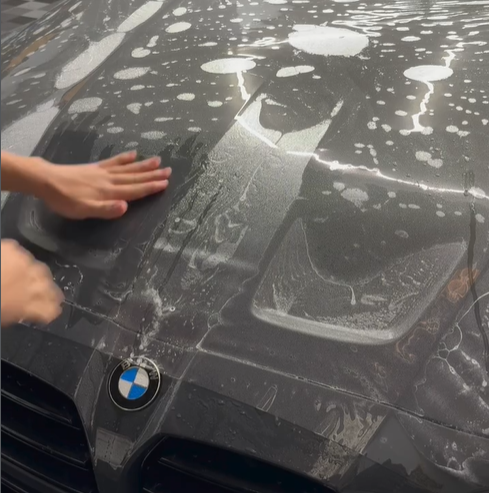
Paint Protection Film (PPF) is the “invisible armor” that keeps paint looking newer by taking the hits from gravel, bug acids, stains, and light scratches. This guide shows how PPF works, what specs to compare, and how to choose between clear and color-change films—using real, published numbers and recognized test methods.
1) What is PPF (and what it isn’t)?
paint protection film is a transparent protective layer applied to the exterior paint of a vehicle to reduce chips, staining, and minor surface damage. Modern premium films are commonly built on high-clarity polyurethane/TPU chemistry with a “self-healing” top coat that helps light swirl marks fade with heat (sun/engine warmth/warm water).
If your goal is to preserve OEM paint, PPF is typically the first choice. If your goal is mainly a new color and style, wrap films can be the better value (more on that below).
2) How paint protection film works
Impact absorption
Thickness + elasticity helps dissipate energy from gravel and road debris before it reaches the clearcoat.
Self-healing top coat
Elastomeric top layers can “reflow” under warmth, reducing visible micro-scratches over time.
Stain & chemical resistance
Top coats resist many contaminants like bugs, bird droppings, and road film (clean sooner = better results).
Optical clarity
Low haze + controlled texture (“orange peel”) helps the film disappear visually on both light and dark paint.
Tip: When comparing films, look for a balance of thickness, optical clarity, and an adhesive system that installs cleanly and stays stable over time.
3) Clear vs matte vs colored PPF: which should you choose?
Clear (gloss) PPF
clear ppf is designed to preserve the factory look. It’s the best fit for: daily drivers, new cars, leased vehicles, and anyone who wants maximum resale-friendly protection without changing color.
Matte / satin PPF
Matte PPF reduces reflections for a “stealth” finish while still protecting the paint. It’s popular for OEM matte paints (where polishing is risky) and for owners who want a subtle visual upgrade without repainting.
Colored (color-change) PPF
colored ppf combines protection and styling in one layer—useful when you want color change, but don’t want to give up the thicker, more protective feel of TPU-based films. You can think of it as the “restyle + shield” route.
4) PPF vs vinyl wrap: the real difference
The biggest confusion online is treating PPF and wrap films as the same category. They overlap in “install style,” but they’re built for different jobs:
- PPF emphasizes protection (chips, staining, light scratches) and is typically thicker and more elastic for impact absorption.
- Vinyl wraps emphasize appearance (colors, textures, printed designs) and can be a cost-effective way to restyle.
If you’re deciding primarily based on looks, start with vinyl wrap. If you’re deciding primarily based on paint preservation, start with PPF.
5) Specs that actually matter (with real numbers)
Marketing language is easy. Published specs are harder to fake. Here are the metrics professional installers and careful buyers compare—and how to interpret them.
Thickness (mil / µm)
Thickness changes how the film feels, installs, and absorbs impacts. As a reference point, ALUKO publishes multiple PPF thickness options (for example 7.5 mil matte and 8.5 mil gloss variants), and offers thicker styles for higher-impact zones.
Optical clarity (haze / texture)
Optical haze and orange-peel-like texture determine whether the film “disappears” on the paint. Lower haze and controlled texture matter most on black, white, and matte finishes.
Top coat behavior (self-healing + hydrophobicity)
Many premium films pair self-healing with a hydrophobic top coat to reduce water spotting and make washing easier. Always cross-check whether the hydrophobic behavior is in the film itself or expected from an added ceramic coating.
Adhesive system & install friendliness
Clear films rely on stable acrylic pressure-sensitive adhesives (PSA). Install quality depends on surface prep, patterns, squeegee technique, and edge finishing, but the adhesive chemistry influences long-term yellowing resistance and edge stability.
6) Test standards & “real-world” evaluation
If you want a fair apples-to-apples comparison, focus on standardized methods that simulate real damage modes. One commonly referenced approach for chip resistance is the Gravelometer method (often referenced as ASTM D3170 / SAE J400), which projects a controlled quantity of gravel at coated panels to rate chipping performance.
| What you want to know | How it’s commonly evaluated | Why it matters for PPF |
|---|---|---|
| Chip resistance | Gravelometer-style testing (ASTM D3170 / SAE J400 references) | Simulates high-speed debris impact that causes chips in vulnerable zones (bumper/hood/rockers). |
| Optical clarity | Haze / clarity methods (e.g., ASTM D1003 often referenced for haze) | Predicts whether film stays visually “invisible” on light/dark paint. |
| Stretch & tear behavior | Tensile / elongation methods (e.g., ASTM D882 often referenced for films) | Helps predict install success around mirrors, edges, and complex curves. |
| Weathering / yellowing | Accelerated weathering references (ISO methods commonly cited in materials testing) | Matters for long-term appearance, especially on white paint and sun-intense climates. |
Practical takeaway: Don’t obsess over one spec. Choose a film with strong overall balance, then prioritize a skilled installer and correct aftercare.
7) Brand/model comparison snapshot (published specs & warranties)
Below is a quick “spec sheet style” comparison using publicly stated thickness and warranty positioning. Use it to narrow candidates, then confirm details with the exact line you’re buying (gloss vs matte, hydrophobic vs non-hydrophobic variants).
| Brand / Line | Thickness (published) | Self-healing / hydrophobic | Warranty positioning | Best for |
|---|---|---|---|---|
| ALUKO Gloss PPF Ultra | 8.5 mil (±0.3) class (published by ALUKO) | Self-healing + hydrophobic top coat (by line) | Confirm by product line/page | Clear-gloss protection with premium “numbers-first” comparison |
| ALUKO Matte PPF | 7.5 mil (±0.3) (published by ALUKO) | Thermal self-healing (published) | Confirm by product line/page | Stealth look + protection on daily drivers and OEM-matte styled builds |
| STEK DYNOshield | 8 mil (published) | Self-healing + hydrophobic (published) | 10-year warranty (published) | High-gloss hydrophobic finish seekers |
| SunTek PPF Ultra | Varies by variant (see official docs) | Self-healing + HydroResist top coat (published) | 10-year limited warranty (published) | Owners wanting stain resistance + clear OEM look |
| 3M Scotchgard PPF Pro Series | See product resources | Self-healing technology (published) | 10-year warranty (published) | Wide installer network + brand-backed warranty comfort |
| XPEL ULTIMATE PLUS | 8 mil (published on XPEL product info) | Self-healing (line-dependent) | 10-year warranty positioning (published) | High visibility brand with deep installer ecosystem |
8) Coverage strategies & cost drivers
PPF cost isn’t a single number—the bill is driven by vehicle size, how much surface you cover, the difficulty of the body lines, and the film you choose. Many owners start with the “high impact” zones and expand later.
- High-impact kit: bumper + partial hood + mirrors (rock chip magnets).
- Track / highway heavy use: full hood + full fenders + bumper + rockers.
- Showroom-preservation: full body PPF (maximum protection and consistent finish).
9) Care & maintenance (what manufacturers actually say)
Most modern PPF is low-maintenance, but not zero-maintenance. Contaminants can still etch if left too long, and aggressive washing can lift edges if done carelessly.
First week matters
After installation, allow the adhesive to stabilize. For example, 3M notes waiting about a week before washing or waxing to help ensure adhesion build (follow your installer’s guidance for your specific film and conditions).
Washing tips that prevent edge lift
- Hand wash with gentle soap and water when possible.
- Avoid blasting film edges with high-pressure nozzles.
- If using automated washes, choose touchless and keep distance from edges.
Waxing / coatings
Some lines recommend non-abrasive wax once or twice a year, while hydrophobic top-coated films may not need waxing (or may recommend specific products). Always follow the care guidance for the exact film line you purchased.
If you want easier cleaning, pairing PPF with a compatible ceramic top treatment can reduce washing friction and help keep gloss consistent—but confirm compatibility with your film’s warranty terms.
FAQ
Does PPF prevent rock chips completely?
It meaningfully reduces damage, especially from small-to-medium debris, but severe impacts can still mark the film or the paint underneath. It’s damage reduction, not invincibility.
Is clear PPF noticeable?
On a quality install with a high-clarity film, it should be difficult to detect from normal viewing distance. Seams and edges are typically the only areas you may notice.
Can I get both color change and high protection?
Yes—colored PPF is designed for that. It’s a popular choice when you want a restyle but still want TPU-style protection and self-healing behavior.
How do I choose thickness?
For mixed driving, many owners target premium “mid-to-thicker” classes for the front end. If you do frequent highway miles or track days, thicker options can make sense—paired with a proven installer.
What should I do next?
Start with your goal: preserve OEM finish (clear), stealth look (matte), or restyle + protect (colored). Then compare thickness, clarity, and warranty positioning—finally, choose the best installer you can.