Stone chips, UV fading and micro-scratches are no longer just a problem for supercars. Daily-driven EVs, SUVs and compact cars are increasingly protected with advanced paint protection film for vehicles, often before the first long road trip. Modern PPF is clearer, thicker and more self-healing than earlier generations, and the difference shows in long-term gloss and resale value.
In this guide we focus on the performance factors that matter most to owners and installers: durability, optical clarity and real-world behavior under washing, weather and road debris. Instead of simply listing brands, we group the top 7 paint protection films for vehicles by use case and explain what to look for in each category, with examples from the ALUKO range.
What Makes a High-Performing Paint Protection Film for Vehicles?
While marketing terms can be confusing, high-performing PPF shares a few technical traits. At the core is a clear thermoplastic urethane (TPU) base film, an optically stable adhesive and a self-healing top coat that resists scratching and staining. Together, these layers must protect against gravel impacts, car wash brushes, bug acids and UV exposure over many years.
Three factors tend to separate premium films from budget options:
- Material quality – TPU-based films offer better elasticity, resistance to yellowing and long-term clarity than PVC-based films.
- Thickness and construction – 8–10 mil total thickness is the sweet spot for balancing impact resistance with conformability over complex panels.
- Optical performance – low haze, high gloss (for clear films) and uniform surface texture so the film remains nearly invisible at normal viewing distances.
Material: TPU vs PVC vs Hybrid Films
Most modern premium paint protection film for vehicles uses aliphatic TPU because it stretches cleanly around curves, self-heals lighter scratches when warmed, and resists yellowing over time. PVC-based films are generally cheaper, but tend to show more orange peel and can lose clarity as they age. Hybrid formulations (often branded as TPH or similar) sit in the middle, improving on PVC but still not matching top-tier TPU for optical stability.
Thickness, Self-Healing and Top Coat Technology
Overall thickness is usually specified in mils (thousandths of an inch). For most passenger cars, films in the 8–10 mil range provide enough mass to absorb stone impacts while staying flexible enough for tight bumper inlets and complex headlights. Thicker specialty films may be used on trucks or off-road builds, but they require more installation skill. The top coat is just as important: high-quality coatings offer self-healing under heat, strong chemical resistance and reduced surface staining from bird droppings and bug splatter.
Optical Clarity, Haze and Gloss
Optical performance is where premium PPF really stands out. Film manufacturers typically measure haze and light transmission using standardized methods for transparent plastics, and gloss using dedicated gloss meters on coated panels. For owners, the result should be simple to assess: on a clean, corrected panel, a quality clear film should be nearly invisible at a few steps back, without milky edges, strong orange peel or noticeable color shift on white or bright paints.
Top 7 Paint Protection Films for Vehicles (By Use Case)
Rather than locking you into one brand name, the list below ranks seven categories of PPF by how they perform in real-world scenarios. For each category we explain what to look for, who it suits best and how ALUKO films can fit that role in your protection plan.
1. Premium Clear Gloss PPF for Daily Drivers
If your car is a year-round daily driver, your first priority is an invisible shield that keeps the OEM paint looking new. In this category, look for a clear TPU film around 8.5 mil thick with a strong self-healing clear coat and very low haze so metallic and pearl finishes still pop under sunlight.
ALUKO’s gloss film range is designed exactly for this role. For example, the clear ppf option combines an 8.5 mil construction with a high-gloss top layer that enhances depth on dark colors and keeps white paints from looking dull. It is a strong choice for full-front installs (hood, bumper, fenders, mirrors and headlights) where chip protection and optical invisibility are equally important.
2. OEM-Style Gloss PPF for New and Leased Vehicles
Lease customers and owners of new vehicles often want a factory-correct look with predictable long-term behavior. Here the priorities shift slightly: instead of maximum thickness, you may prefer a film that emphasizes easy installation, clean edge behavior and long manufacturer warranties, especially on horizontal panels that see more UV and fallout.
When you shop this category, focus on installer-grade ppf wrap lines that balance a smooth, low-texture gloss with strong resistance to yellowing and staining. Full-body coverage is more common in this segment, particularly on luxury sedans and high-value EVs where repainting panels would be expensive or difficult to match.
3. Matte and Satin PPF for a Stealth Finish
Matte and satin paint protection films let you transform a glossy car into a stealth build while still keeping the underlying OEM color. These films use a special top coat that diffuses reflections to create a soft, non-glare appearance. The challenge is getting a uniform, streak-free matte effect across large panels and under varied lighting.
When evaluating matte PPF, look at how evenly the vehicle’s reflections are diffused and whether the finish reveals sanding marks or patchy areas when viewed from different angles. A quality matte film should also resist polishing — if a mild polish instantly restores gloss in a spot, the top coat may be too fragile for long-term use.
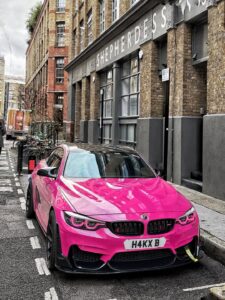
4. Color PPF for Restyling and Protection in One Step
Colored paint protection films combine the design flexibility of a wrap with the impact resistance of clear PPF. Instead of adding a printed layer, the color is integrated into or behind the protective film structure, so you can change the look of the vehicle and shield the paint at the same time.
ALUKO’s colored TPU options are engineered for this use case. A dedicated line such as the color ppf collection is ideal if you want bold restyling (for example, satin army green, metallic blues or rich charcoal tones) without sacrificing the chip resistance and self-healing properties associated with high-end clear films.
5. High-Impact PPF for Trucks, Vans and Off-Road Builds
Trucks, vans and off-road builds see more gravel, mud and debris than typical commuter cars. For these applications, many installers choose thicker or reinforced films on high-impact zones such as rocker panels, door bottoms, A-pillars and the leading edges of rear fenders.
When you are targeting this segment, prioritize films at the upper end of the 8–10 mil range or consider multi-layer strategies (double-layering sacrificial strips on the most exposed edges). Look for strong adhesion, good edge sealing and robust stain resistance so the film remains easy to wash even after winter use or trail driving.
6. Track-Focused PPF for Performance Cars
Track-driven cars face high-speed rubber pickup, aggressive brake dust and repeated wash cycles. Here, the ideal PPF is still clear and glossy, but with an especially durable top coat to handle more frequent decontamination, bug removers and occasional tar removers.
Track-focused films should retain gloss even when cleaned with stronger chemicals and should recover from minor mar marks after a heat cycle in the sun or with gentle steam. If you frequently run time attack or HPDE events, consider extending coverage higher up the doors, behind wheel arches and on side skirts to reduce sandblasting from sticky track tires.
7. Budget-Friendly Hybrid: PPF Plus Wrap Combinations
Not every project needs full-body PPF. A cost-effective strategy is to combine targeted PPF coverage on impact zones with a restyling wrap on the rest of the car. For example, you can protect the front clip and rocker panels with clear film and change the color of the roof, trunk and doors with a high-quality wrap film.
This hybrid approach works especially well for fleets, branding projects and enthusiasts who like to refresh their look every few years. A premium vinyl wrap can handle the design work, while strategically placed PPF absorbs the worst of the debris. When the wrap is eventually removed, the paint in PPF-covered areas should still look fresh and glossy.
How to Choose the Right Paint Protection Film for Your Vehicle
Match Protection Level to Your Driving Environment
Start by being honest about how and where the vehicle is used. A city commuter parked indoors will not see the same abuse as a highway-driven work truck or a weekend canyon car. Daily highway driving, gravel shoulders and snowplow grit all argue for stronger coverage and, in some cases, thicker or more sacrificial films in high-impact zones.
Align Finish with Your Styling Goals
Next, decide whether you want to preserve the OEM appearance or change it. Clear gloss PPF is the default choice if you already love the factory color. Matte and satin films are best when you want a stealth look, while colored PPF gives you a color change and protection in one step. Think about future resale: buyers often like the idea of a protected original paint color under the film.
Choose Trusted Installers and Solid Warranties
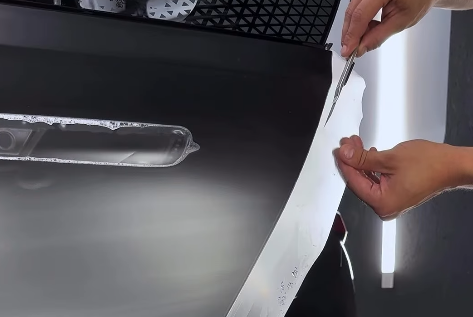
Even the best paint protection film for vehicles cannot perform if it is installed poorly. Always work with installers who specialize in PPF, understand modern cutting software or bulk-stretch methods, and are willing to show you their prep and curing process. Check how long the manufacturer’s warranty covers yellowing, cracking and delamination, and keep documentation in case you sell the car later.
Final Thoughts: Building a Long-Term Protection Plan
Whether you drive a compact hatchback, a performance coupe or a full-size truck, a well-chosen paint protection film for vehicles can lock in gloss, reduce maintenance time and preserve resale value. Start by deciding which of the seven categories above best fits your use case, then match the right ALUKO film and coverage pattern to your budget.
By focusing on film material, thickness, clarity and top coat performance — not just marketing names — you can build a protection plan that keeps your vehicle looking newer for longer, season after season.