
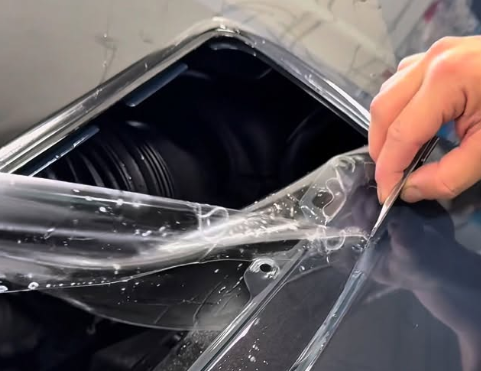
A quality vehicle PPF (paint protection film) can protect your clearcoat for 5–10 years when it’s installed and maintained correctly. Treated badly, the same film can stain, lift at the edges, or lose its gloss in just a few seasons. This guide walks you through a practical maintenance routine so your PPF keeps doing its job: staying invisible while absorbing the abuse of daily driving.
Why vehicle PPF needs its own care plan
Vehicle PPF is a clear thermoplastic urethane layer that absorbs rock chips, bug splatter and light scratches before they ever reach your paint. Many modern films are TPU-based with a self-healing topcoat and hydrophobic layer, which helps water, mud and road grime slide off more easily. That same advanced construction is why maintenance matters: harsh chemicals, aggressive brushes or neglected contamination can damage those top layers long before the film’s rated lifespan.
Compared with bare clearcoat, a properly maintained vehicle PPF resists UV fading, oxidation and wash marring far better. But it isn’t “set and forget.” Think of it as a transparent, sacrificial shield: you want the film to take the hits—but you also want to keep that shield clean, slick and bonded tightly to every edge and contour.
First week after installation: protecting the adhesive
The first days after installation are critical. Most professional film manufacturers recommend waiting 48–72 hours or up to a full week before your first wash so the adhesive can cure fully and moisture can escape from under the film. During this period:
- Avoid washing, pressure washing or using touchless wash bays.
- Keep the car out of heavy rain and muddy conditions if possible.
- Do not pick at edges, trapped bubbles or small hazy areas—many of these settle as the film cures.
- If you must remove bird droppings or bug guts, gently soak with lukewarm water and a soft microfiber, dab off, and avoid scrubbing.
If you see major lifting or contamination trapped under the film in the first week, the safest move is to contact your installer so they can re-squeegee or spot-correct the area rather than attempting DIY fixes with blades or heat guns.
Ongoing wash routine: how often and how
Once cured, your vehicle PPF benefits from a consistent, gentle wash routine. A good rule of thumb from professional detailers is to wash every 1–2 weeks, or more often if you drive in dusty, coastal or winter conditions. Regular washing prevents grime from baking into the film and keeps hydrophobic topcoats performing as designed.
For routine washes:
- Pre-rinse thoroughly to remove loose dirt and grit before touching the surface.
- Use pH-neutral, PPF-safe shampoo in a foam cannon or two-bucket method to minimize swirls.
- Wash with a soft mitt rather than brushes or stiff sponges, working top to bottom.
- Rinse well to avoid soap residue that can leave streaks or stains.
- Dry with clean microfiber towels or a blower to reduce water spots.
Avoid automatic tunnel washes with spinning brushes. Even though the film is a sacrificial layer, repeated abrasion from dirty brushes can scar the topcoat, reduce gloss and stress panel edges over time.
Safe products to use (and what to avoid)
Most high-end vehicle PPF systems are compatible with standard car-care chemicals as long as they are non-abrasive and within a safe pH range. When building your PPF wash kit, look for:
- pH-neutral shampoos labeled as safe for PPF, clear bras or ceramic coatings.
- Dedicated PPF cleaners or citrus-based pre-washes for bug and tar removal.
- Spray sealants or toppers that are silicone or polymer-based and specifically marketed as PPF-safe to boost gloss and hydrophobicity.
Avoid strong solvents, undiluted APCs, heavy degreasers, magic erasers, cutting compounds and abrasive polishes on the film itself. These can haze the surface, weaken the self-healing topcoat or damage the clear adhesive layer underneath. If you’re unsure, spot test a new product on a lower, less visible section before using it on the hood or front bumper.
Stains, swirls & self-healing film
Even the best vehicle PPF will occasionally pick up bug splatter, bird droppings, tree sap or hard-water spots. These contaminants are acidic or mineral-rich and can etch if they sit too long—so rapid removal is key:
- Soak the area with warm, soapy water or a PPF-safe bug remover for several minutes.
- Gently wipe with microfiber using light pressure; avoid aggressive scrubbing.
- For stubborn spots, use a dedicated PPF cleaner or tar remover and follow the label carefully.
For light wash marring and swirl marks, self-healing TPU films can do a lot of the work for you. Parking in warm sun or pouring warm—not boiling—water over lightly marred panels helps the elastomeric top layer flow back into shape, reducing the appearance of fine scratches. Deep rock chips, torn edges or punctures, however, cannot self-heal; those require panel replacement by a professional installer.
Climate, driving conditions & PPF lifespan
The real-world lifespan of vehicle PPF depends on three big factors: film quality, installation quality and how you use the car. A garage-kept weekend car driven in mild climates puts very little stress on the film compared with a daily driver that sits outside in desert sun, is driven through salty winters or spends a lot of time on gravel roads.
To help your film reach its full service life:
- Park in shade or indoors whenever possible to reduce UV and heat load.
- Rinse off road salt and de-icing chemicals promptly in winter.
- Inspect high-impact areas (front bumper, hood, rocker panels, rear arches) every month for new chips or lifted edges.
- Schedule professional decontamination and inspection every 12–18 months, especially if your vehicle is coated in both PPF and ceramic.
Many premium films carry warranties in the 5–10 year range when installed and cared for correctly. A smart maintenance routine helps you stay within that window instead of needing a full re-wrap years early.
PPF, car wrap and finish options: how care changes
Vehicle protection today often combines different technologies. Some owners choose a full-body car wrap for color change and branding, then reinforce high-impact zones with vehicle PPF. Others go straight to colored TPU protection film, using color ppf to achieve both style and impact resistance in a single layer.
Because many modern films are TPU-based, such as ALUKO’s dedicated tpu wrap lines, their care is very similar: gentle hand washing, non-abrasive products and careful edge management. If your priority is an OEM, “invisible” look, a high-clarity clear ppf preserves factory paint while remaining almost undetectable in photos and at a distance.
The important thing is to understand what’s on your car—vinyl wrap, clear PPF, colored PPF, or a combination—and maintain each layer according to manufacturer guidance. When in doubt, follow the strictest care instructions; that way, you never risk damaging the most delicate component of the stack.
Key maintenance takeaways for long-lasting vehicle PPF
To get the most from your vehicle PPF, treat it like the high-tech material it is, not like a disposable sticker. Give the adhesive time to cure after install, commit to gentle but regular washes, remove contamination fast, and use products formulated for modern PPF and coated finishes. Combine that with sensible habits—shade parking when possible, careful inspection of high-impact zones, and occasional professional detailing—and your film can protect gloss, color and resale value for many years.
When you’re ready to upgrade protection or explore different finishes, Alukovinyl’s clear and colored PPF ranges give you the flexibility to choose invisible armor, bold restyling, or a mix of both—while keeping maintenance straightforward and achievable at home.