
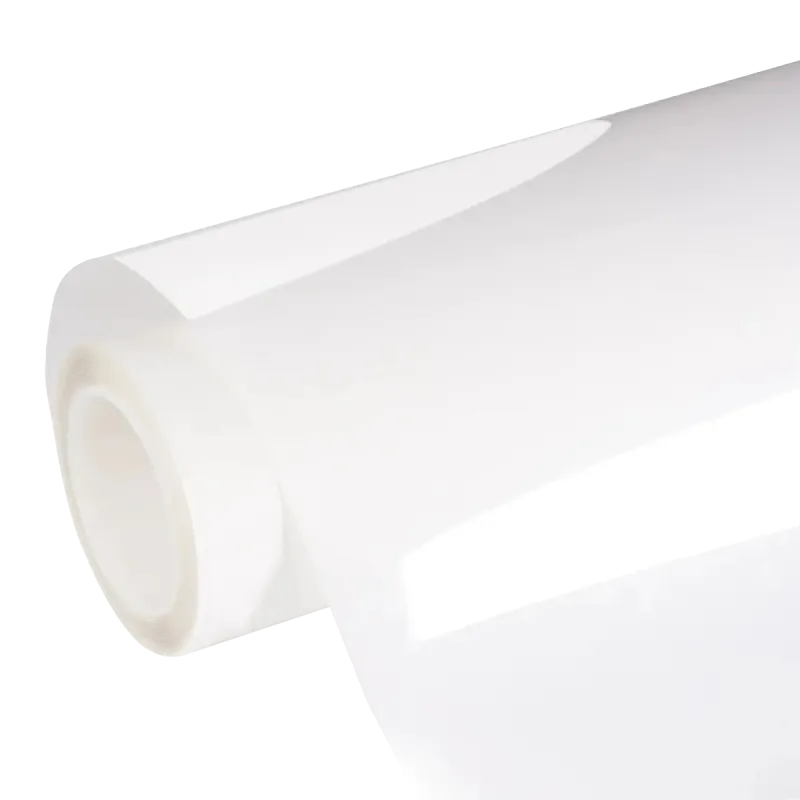
If you’ve just started researching paint protection film (PPF), you’ve probably seen terms like “self-healing,” “hydrophobic,” “8-mil,” and “10-year warranty.” This guide explains what PPF actually is, how it differs from a vinyl wrap, how to pick between gloss PPF and matte PPF, and how leading brands compare—so you can buy with confidence.
What PPF Is (and Isn’t)
Paint protection film is a clear, durable polyurethane film that bonds to your vehicle’s painted surfaces to absorb the brunt of daily wear—stone chips, road salt, sand blasts, bug acids, and light abrasions—so your paint doesn’t have to. Unlike a color-changing vinyl wrap, which is a styling layer primarily for aesthetics, PPF is engineered first for impact and stain resistance while preserving your factory color.
How PPF Works: Layers & “Self-Healing”
Modern PPF is a laminated stack of layers: a pressure-sensitive adhesive (so it bonds securely yet can be removed by a professional), a thick elastomeric polyurethane core for impact absorption, and a topcoat designed to enhance clarity, resist stains, and recover from micro-marring. Many premium films are around ~8 mil in overall thickness, striking a balance between protection, optical clarity, and conformability during installation.
Self-healing happens in the topcoat layer: fine swirls and light marring relax back to a level surface when the polymer is warmed, visually erasing micro-defects that make paint look tired.
Gloss vs. Matte: Which Finish Should You Choose?
High-Gloss Clear (OEM-like shine)
If you want an “invisible” shield that preserves that crisp, wet showroom look, choose a high-clarity gloss PPF. This is the most popular choice for daily drivers and collectors who want stealth protection.
- Looks OEM High clarity Easy to wash
Matte/Satin (design-forward)
Prefer a stealthy, frozen look? matte PPF converts glossy paint to a satin aesthetic while adding the same chip-stopping benefits. It’s ideal if you want a style change without repainting.
- Stealth finish Hides light swirls Unique texture
Tip: If you love color experimentation or graphics, consider a vinyl wrap for looks and add PPF on high-impact zones for protection.
Coverage Options: From Impact Zones to Full Body
- Front impact package: bumper, partial/full hood, fenders, and mirrors—this is the highest ROI for highway driving.
- Rocker panels & lower doors: crucial for vehicles with wide tires or gravel roads.
- High-touch areas: door cups/edges, trunk ledge, roof edge—small pieces that prevent annoying chips.
- Full-body wrap: for supercars, track toys, and pristine daily drivers who want uniform protection and easy maintenance.
Brand Comparison: Key Features at a Glance
Below is a quick reference of widely used premium films and the attributes most first-time buyers ask about—self-healing, hydrophobic top coats, finish choices, and manufacturer warranty support. Exact specs vary by product line; your installer can confirm the best match for your use case.
| Brand / Line | Standout Tech | Finishes | Typical Warranty | Notes for Buyers |
|---|---|---|---|---|
| XPEL (Ultimate Plus / Fusion) | Self-healing clearcoat; Fusion variant integrates a slick, hydrophobic surface | Gloss (with matte options via separate lines) | Up to 10-year limited | Widely available patterns; popular balance of clarity, protection, and maintenance ease. |
| 3M (Scotchgard Pro Series 200) | High clarity with self-healing; compatible with 3M pattern libraries | Gloss & matte variants | Up to 10-year limited | Strong global support network; trusted OEM heritage. |
| SunTek (Ultra / Reaction) | HydroResist™ or super-hydrophobic top coats; self-healing | Gloss & Ultra Matte | Up to 10-year limited | Reaction line blends ceramic-like slickness with PPF durability. |
| STEK (DYNOshield) | Nano-glass hydrophobic topcoat; self-healing, stain resistance | Gloss; STEK also offers fashion PPF textures/colors | Up to 10-year limited | Favored for its slick surface and rich gloss out of the box. |
| LLumar (Platinum / Valor) | Self-healing surface; HydroGard™ hydrophobic tech | Gloss & select matte options | Up to 10-year limited | Broad installer network; strong stain resistance and everyday durability. |
Care, Maintenance & Longevity
PPF is intentionally low-maintenance, but the right habits help it look its best for years:
- First week: Avoid pressure washing at film edges while the adhesive fully sets.
- Washing: Use pH-neutral shampoo and gentle wash media; rinse thoroughly.
- Drying: Blow-dry or pat dry with clean microfiber to minimize towel marring.
- Protection: Many films play well with silica sealants for extra slickness; avoid abrasives and harsh solvents.
- Swirl care: Light swirls often self-heal with sun or warm water; deep scratches may need panel replacement.
Under typical daily driving and proper care, premium films can provide protection and visual clarity for many years—backed by limited warranties that cover issues like yellowing, cracking, or bubbling (coverage terms vary by brand and region).
Quick FAQ for First-Time Buyers
Will PPF change how my paint looks?
Pick a gloss PPF if you want an “invisible” shield. Choose matte PPF to transform glossy paint into a satin look without repainting.
How is PPF different from a vinyl wrap?
A vinyl wrap focuses on color/style; PPF focuses on impact and stain protection. Many owners combine both—PPF on high-impact panels, vinyl elsewhere for color.
Is thicker always better?
Not necessarily. Thickness contributes to impact resistance, but clarity, topcoat technology, conformability, and installer skill all affect real-world results. Premium films balance these factors for daily use.
How do I choose a brand?
Start with finish (gloss vs. matte), then compare self-healing behavior, hydrophobicity, optical clarity, warranty support, and local installer expertise. The best film is the one expertly installed and easy for you to maintain.