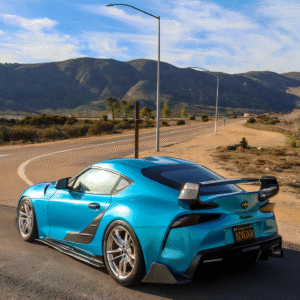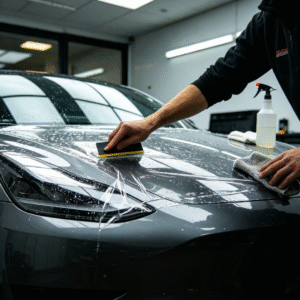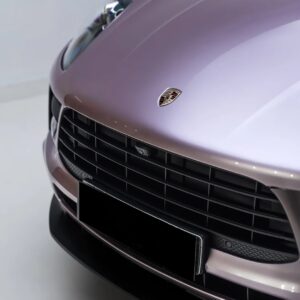
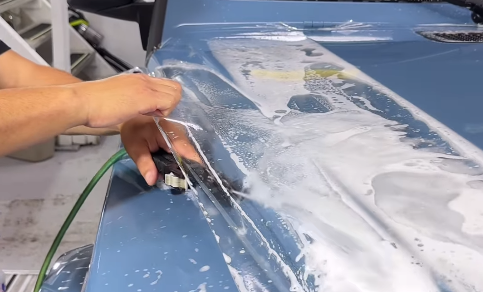
Modern PPF wraps pair perfectly with ceramic window tints for all-round protection.
What are automotive tints and PPF?
When people talk about tints and PPF, they mean two different film technologies that work together:
- Window tints are thin, usually 1.5–2.5 mil films applied to the inside of the glass. They control light, heat and UV entering the cabin, while adding privacy and style.
- Paint Protection Film (PPF) is a thicker, clear or colored urethane film (typically around 6–10 mil) applied on painted panels to shield them from stone chips, scratches, contaminants and UV exposure.
If you already use a wrap for cars to change color or finish, adding tints and PPF is the next step: you protect the paint, protect yourself inside the cabin and keep the whole build looking fresh for years instead of months.
Key benefits of pairing tints and PPF
1. Protect paint, headlights and trim from daily damage
A quality ppf wrap creates a sacrificial layer on top of your clearcoat. Modern films are made from transparent thermoplastic polyurethane with an elastic clearcoat that can “self-heal” fine swirls when warmed by the sun or hot water. That layer absorbs small stone impacts, shopping-cart scuffs and brush contact that would otherwise etch into OEM paint.
On high-impact zones like bumpers, hoods, mirror caps and rocker panels, PPF is often the difference between “wash and go” and repainting after a few years of highway driving.
2. Reduce heat, glare and UV inside the cabin
Ceramic window tints are engineered to reject a large portion of solar energy, including infrared (IR) heat and UV radiation. High-performance films can block a majority of incoming heat and over 99 % of UV rays, cutting cabin temperatures, protecting interior plastics and slowing fabric or leather fading. Many ceramic tints achieve these numbers without metallic layers, so they do not interfere with GPS, mobile or keyless-entry signals.
3. More comfortable, safer driving
With the right tint level, nighttime visibility stays clear while daytime glare is reduced. That means less eye strain on long trips and better visibility of screens and mirrors. At the same time, PPF keeps your headlights clear and free of sand-blasting, helping maintain maximum light output over time.
4. Style, depth and resale value
Combining deep ceramic tints with a high-gloss clear PPF can make original paint look “wetter” and deeper. If you prefer a bolder look, a color ppf lets you change the car’s appearance and add protection in a single layer. In both cases, clean paint and intact headlamps are strong selling points when it’s time to trade in or sell the vehicle.
Where to use each on your car
Typical PPF coverage patterns
- Front-end kit: full front bumper, partial or full hood, fenders and mirror caps. Ideal for highway and daily-driver protection.
- High-risk areas: rocker panels, lower doors, rear bumper top and trunk loading edge. These zones see shoe scuffs, road grit and luggage impacts.
- Full body: for premium and collector cars where you want the entire exterior protected under one continuous film system.
Where window tints make the biggest difference
- Side and rear glass: the main source of lateral glare and a large portion of heat. Properly chosen tint improves comfort substantially.
- Windshield strip or light full-windshield tint (where legal): reducing overhead sun and reflections on the dashboard.
Laws on tint darkness (VLT, or visible light transmission) vary widely by country and state, so always confirm local regulations before choosing how dark to go on each window.
How to choose the right films for tints and PPF
1. Match film type to your goals
- If your priority is rock-chip and scratch protection, start with a clear, self-healing gloss PPF on the front end and high-risk zones. Aluko’s Gloss PPF Ultra, for example, uses a thick TPU base with a hydrophobic, scratch-resistant clearcoat and premium adhesive stack to balance stretchability with long-term clarity.
- If your priority is cabin comfort, invest first in high-quality ceramic window tints with strong infrared and UV rejection. Then complement them with PPF on the areas where you worry about impact damage.
2. Pay attention to thickness and construction
For PPF, thickness in the ~8 mil range is a good sweet spot: thick enough to absorb impacts and provide a self-healing top layer, but still flexible enough for complex curves. Premium films use aliphatic TPU for clarity and resistance to yellowing, coupled with high-bond, low-orange-peel adhesives tuned specifically for automotive clearcoat.
For window tints, construction (ceramic vs dyed or metallic) matters more than thickness. Multi-layer nano-ceramic films can dramatically improve heat rejection without the mirrored appearance of older metallic films.
3. Warranty and installer network
Look for manufacturer warranties that cover yellowing, cracking and adhesive failure for a realistic term (typically 5–10 years on PPF, 2–5 years or more on tints, depending on product and market). For a daily driver, long-term clarity and stain resistance are far more important than extreme claims on paper thickness alone.
Installation: what to expect from tints and PPF
High-quality results for both tints and PPF depend on surface prep and technique. Expect a professional shop to:
- Perform a thorough wash and decontamination (including clay bar or chemical de-iron where needed).
- Use dedicated slip solutions and squeegee techniques to avoid trapped dust or stretch marks.
- Pre-cut or plotter-cut patterns for your vehicle, or “bulk install” with careful trimming on the car.
- Explain curing time: PPF and tints can show minor haze or small bubbles for a few days as moisture evaporates.
Good installers will also walk you through where panel edges, seams and relief cuts will be visible so you know exactly what to expect once the films have settled.
Maintenance tips for tints and PPF
1. First 7–14 days after installation
- Avoid automatic car washes and high-pressure wands aimed directly at film edges.
- Do not roll down newly tinted windows until the installer’s recommended curing period has passed.
- Expect small water pockets or light haziness; these typically disappear as the film dries out.
2. Washing and drying routine
- Use pH-balanced car shampoo, soft wash mitts and clean microfiber drying towels.
- Avoid abrasive polishes or strong solvents directly on PPF edges or tint films.
- If you use foam cannons or pressure washers, keep the nozzle moving and give film edges a gentle buffer distance.
3. Cleaning inside glass
- Only use ammonia-free glass cleaners on tinted windows.
- Spray the towel, not the glass, to prevent cleaner from wicking under film edges.
- Wipe in straight lines rather than aggressive circular motions to avoid creating fine swirls.
4. Long-term care for PPF
- De-bug and de-tar promptly; insects and road tar left for weeks can slowly stain any film.
- If you apply a ceramic coating on top of PPF, verify compatibility with both the film and tint manufacturer.
- Inspect high-impact zones once or twice a year. If a section is heavily chipped, localized replacement is usually possible without redoing the whole car.
Who benefits most from tints and PPF?
Almost every driver can benefit from a smart tints and PPF package, but it is especially valuable if:
- You do a lot of highway commuting where stone chips and road debris are common.
- You park outside in strong sun and want to protect both your paint and interior.
- You’ve invested in premium paintwork, a custom tints and ppf package or factory matte finishes that are expensive to repair.
- You plan to keep the car for many years and care about long-term appearance and resale value.
Daily-driven EVs, performance cars and family SUVs all benefit from less wear on paint and less heat inside the cabin.
Final thoughts
Window tints and PPF are no longer “luxury extras” reserved for show cars. With modern ceramic tint technology and self-healing TPU films, you can dramatically reduce heat and UV, protect paint from daily abuse and keep a wrapped or factory finish looking sharp for years.
Start with the areas that matter most: front-end PPF for chips, ceramic tints on your primary glass, then expand coverage as budget allows. Work with a trusted installer, follow the basic maintenance guidelines, and your tints and PPF will quietly do their job in the background—so your car keeps its showroom look long after the odometer says otherwise.