
If you have ever asked yourself what is paint protection film and whether it is worth it for your car, you are really asking a materials-science question. Paint protection film (PPF) is not just “plastic on the paint” – it is a multi-layer thermoplastic polyurethane (TPU) system engineered to absorb impacts, resist UV damage and quietly self-heal under heat.
In this guide, we will break down how PPF is built, how it actually works on a molecular level, and how to choose between clear PPF, colored PPF and traditional vinyl wrap for your next project.

What Is Paint Protection Film (PPF)?
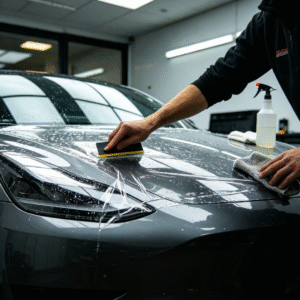
At its core, paint protection film is a transparent, flexible urethane film that sits on top of your clear coat. It is designed to take the abuse – stone chips, sand, road salt, bug splatter and random scratches – so your paint does not have to. When people ask “what is paint protection film in simple terms?”, the easiest answer is: a sacrificial but self-healing shield between your paint and the outside world.
Modern PPF is usually made from aliphatic TPU (thermoplastic polyurethane). This class of polymers combines high elasticity with strong chemical resistance and UV stability. The film is optically clear, so it maintains OEM gloss or satin finishes, and it is engineered to remain stable without yellowing when exposed to sunlight.
Unlike waxes or even ceramic coatings, PPF is a physical barrier with measurable thickness, impact resistance and elongation. Where coatings behave more like a hard, thin glass on top of your clear coat, PPF behaves more like an energy-absorbing skin that can flex, stretch and recover.
How PPF Works: Layers and Materials
A high-quality PPF is not a single sheet of plastic. It is a stacked system, where each layer has a job to do:
- Self-healing topcoat: The outermost layer is an elastomeric clear coat that can “reflow” when warmed by the sun, hot water or gentle heat. Light swirls and wash marks relax back into a smooth surface instead of staying etched into the film.
- TPU base film: This is the main body of the product – usually in the 6–10 mil range. It is engineered to stretch and absorb impacts from gravel and road debris without tearing, while staying optically clear and resistant to stains.
- Acrylic adhesive: A pressure-sensitive adhesive layer bonds the film to painted panels. It has to be strong enough to hold over years of temperature swings and washing, but forgiving enough to be repositioned during installation.
- Release liner: A temporary backing that protects the adhesive and topcoat until the film is installed, peeled away just before the film touches the paint.
The “science” behind PPF is in how these layers are tuned. Manufacturers balance hardness (to resist etching) with elasticity (to self-heal); they add UV absorbers to slow down yellowing, and hydrophobic chemistry to repel water and dirt so the car stays cleaner between washes.
PPF vs. Vinyl Wrap: Different Tools for Different Jobs
Because both products come on rolls and are installed with squeegees, it is easy to confuse PPF with a cosmetic vinyl wrap. But under the surface they are built very differently and they solve different problems.
A traditional color-change wrap is typically a PVC or PET-based film focused on aesthetics: color, texture and finish. It is thinner, easier to stretch into complex curves, and available in hundreds of colors and textures – chrome, satin, chameleon, carbon and more. It does offer some light chip resistance, but its main purpose is to change how the car looks.
PPF, by contrast, is thicker, more elastic and optimized for impact absorption and self-healing. If your priority is long-term protection of OEM paint, PPF is the engineering-grade solution. Many owners pair the two: PPF in high-impact zones, and design-driven vinyl wraps on panels where style matters more than rock-chip defence.
Clear PPF vs. Color PPF
Once you understand what paint protection film is, the next question is usually: should I choose clear PPF or a color version? Both use similar TPU chemistry, but they are tuned for different outcomes.
Clear PPF is the “invisible shield” approach. A product such as Aluko’s gloss and matte clear films is designed to disappear visually while delivering impact protection, self-healing and hydrophobic behavior. If you love your factory paint and just want to freeze that look in time, clear PPF is the right tool. In your copy you might highlight clear options with anchor text like clear ppf to drive readers directly to high-end clear film SKUs.
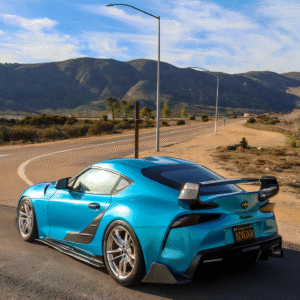
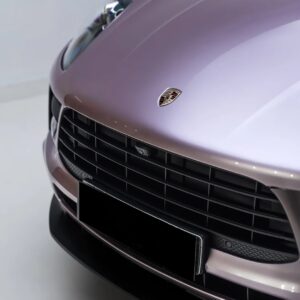
Color PPF takes the same protective structure and adds pigments or special effects – solid colors, metallics, pearls or even diamond-sparkle finishes. This lets you do a “color change” while still keeping a TPU protection layer on the outside. To guide readers toward your color-change PPF category, you can naturally introduce color ppf links when you talk about combining style and protection in one wrap.
In practice, many shops now treat colored PPF as an upgrade over traditional vinyl in high-wear areas: it looks like a wrap but behaves like PPF when gravel and road rash show up.
Why TPU PPF Has Become the Industry Standard
Early generations of protective films were often based on PVC or hybrid materials that could yellow or crack over time. Modern PPF has moved decisively to TPU because of how the polymer behaves under stress.
TPU can stretch several times its original length before failure, and then recover without permanent deformation. That high elongation lets the film conform to complex body-lines and absorb small impacts instead of chipping. Its micro-structure also allows the self-healing topcoat to move at the surface when warmed, relaxing fine scratches and swirl marks.
Aluko’s program builds on this TPU foundation across both clear films and the ALUKO colored PPF range. When you reference that program in your content, it is a natural place to use the internal anchor tpu wrap, pointing readers to a curated portfolio of TPU-based protection solutions that cover both color change and clear protection.
PPF Thickness, Specs and Real-World Protection
Thickness is one of the most misunderstood specs in the PPF world. Most high-quality films fall somewhere between 6 mil and 10 mil of protective TPU, not counting the release liner. Thicker films generally offer more impact absorption and slightly deeper self-healing topcoats, but they can also be a bit more challenging to install on very tight curves.
Alukovinyl’s clear portfolio, for example, includes gloss and matte films in the 7.5–10 mil range to balance installability with high-end protection, while specialty products like diamond-effect PPF add visual depth without compromising flexibility. In practice, that means:
- 6–8 mil: Excellent everyday protection, ideal for full-body coverage and complex curves.
- 8.5–10 mil: Extra headroom for high-impact zones such as bumpers, rocker panels and track-driven cars.
- Above 10 mil: Niche use cases where maximum chip resistance matters more than ease of install.
Specs like tensile strength, elongation, gloss level and water contact angle are not just marketing numbers – they map directly to how easy the film is to squeegee, how glossy it will look under shop lights, and how easily dirt and water slide off between washes.
When Does PPF Make the Most Sense?
Now that you have a clear sense of what paint protection film is and how it works, the last piece is deciding where it fits into your build or your business. Common use cases include:
- New-car protection: Full-front or full-body coverage right after delivery, before the first rock chip or parking-lot scratch appears.
- Highway commuters and fleet vehicles: Daily driving at speed throws endless debris at front bumpers, hoods and mirrors – prime candidates for PPF.
- Track cars and performance builds: Sticky tires throw stones; PPF helps keep expensive paintwork on wide arches and splitters intact.
- Premium resprays and restorations: When the paint job costs four or five figures, it makes sense to shield it with a film system designed to take abuse.
For many owners, the sweet spot is a PPF “front-end kit” on high-impact areas plus strategic use of colored films or traditional wraps on the rest of the car for visual effect.
Care, Maintenance and Longevity
A good PPF install is not a one-time miracle; it still needs basic care. The hydrophobic topcoat makes maintenance easier, but regular washing (pH-neutral shampoos, soft wash media) will keep the film performing at its best. Avoid automatic brushes, harsh solvents and aggressive cutting compounds that can damage the self-healing layer.
Under normal use, modern TPU-based films can protect paintwork for many years when installed correctly. Real-world lifespan depends on factors like climate, storage (garage vs. outdoors), mileage and how often the car sees road salt or gravel. The advantage of PPF over bare paint is that, when the film eventually reaches the end of its life, it can be removed and replaced while the paint underneath is still in excellent condition.
Bringing It All Together
So, what is paint protection film really? It is a carefully engineered TPU laminate that works as an invisible, self-healing shield over your clear coat. Where waxes and coatings tweak surface chemistry, PPF adds real, measurable thickness and impact resistance between your paint and the environment.
By understanding how the layers of PPF function, why TPU has become the standard, and how clear PPF and color ppf fit into different build strategies, you can guide customers – or your own projects – toward smarter, more durable protection choices. Use internal anchors like vinyl wrap, tpu wrap, color ppf and clear ppf to help readers move seamlessly from education to the exact Aluko products that match their needs.