Few colors look as dramatic as a deep, high-gloss black car. But anyone who has owned one knows the reality: every swirl mark, stone chip and water spot is easier to see on black paint than on any other color. Modern black paint protection film solves this problem by combining a rich black finish with the impact, scratch and UV resistance of premium TPU-based PPF, so you can enjoy the look you want without watching your clear coat deteriorate year after year.
In this guide, we’ll break down what black paint protection film is, how it enhances your vehicle’s style, how it protects your factory paint and resale value, and where it fits in alongside traditional vinyl wraps, TPU styling films and clear PPF systems.
What Is Black Paint Protection Film?
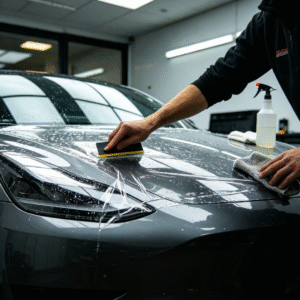
Paint protection film (PPF), sometimes called a “clear bra,” is a transparent urethane layer applied on top of your paint to absorb impacts, resist scratches and protect against UV and chemical damage. Most high-end PPF is made from thermoplastic polyurethane (TPU), which offers superior durability, elasticity and resistance to yellowing compared with older PVC-based films.
Black paint protection film uses the same multilayer structure as clear PPF – a TPU base, an adhesive layer and a self-healing, hydrophobic top coat – but with a deep black pigment added to the film rather than the paint. Instead of repainting the car, you’re adding a sacrificial “black armor” layer on top of the existing finish. When the film is eventually replaced, the original paint underneath can still look virtually new.
From Clear Bra to Color PPF
PPF began as a clear, almost invisible protection layer on high-impact zones like bumpers and hoods. As technology evolved, manufacturers started offering color and texture options – from matte clear films to full color PPF systems that combine a wrap-like visual change with PPF-level protection. Independent comparisons of TPU, PVC and TPH films consistently show that TPU-based products deliver the best combination of clarity, flexibility and long-term durability, which is especially important when the film itself carries the visible color.
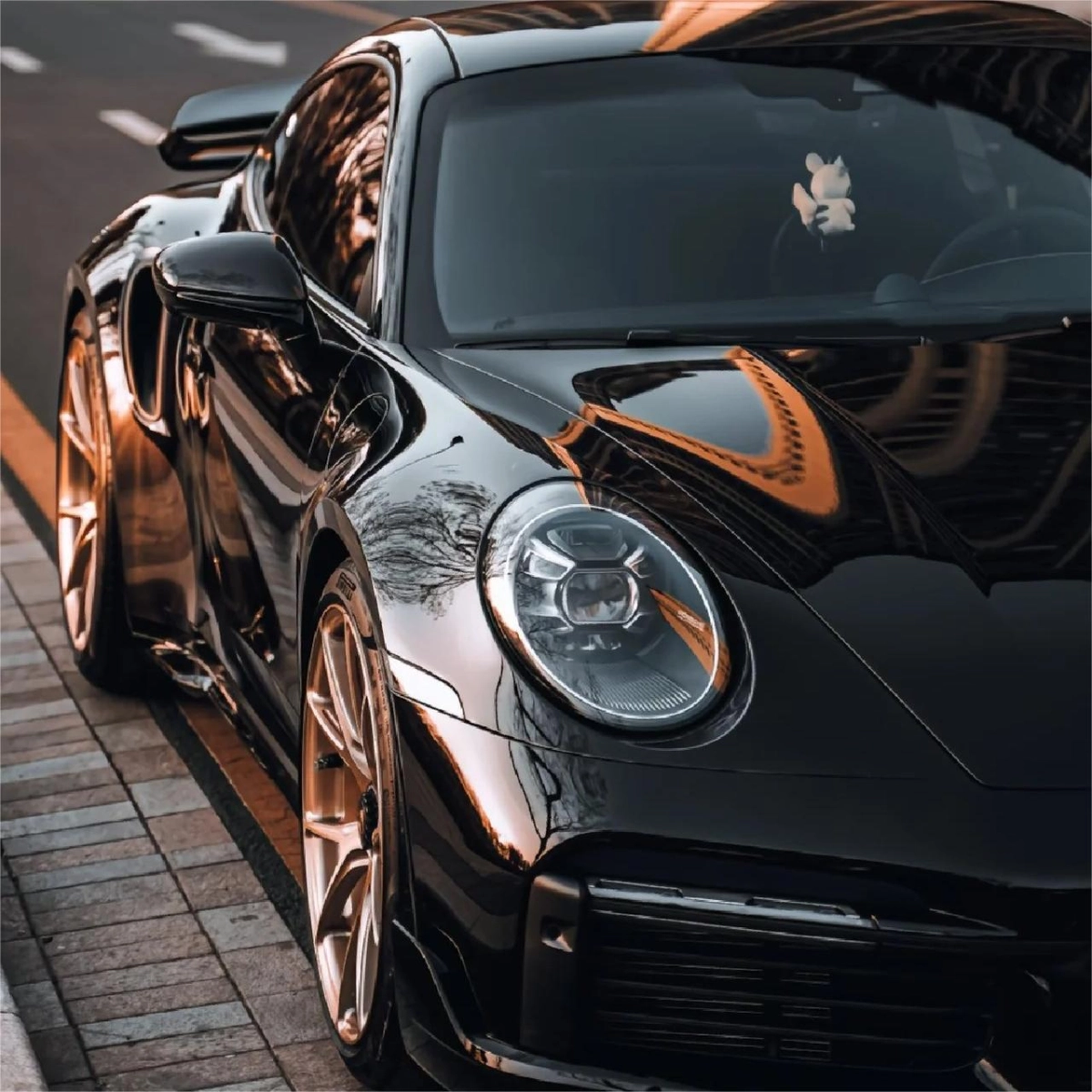
For black applications, this evolution means you can now achieve a piano-black or satin-black look using black PPF rather than relying on paint or thin PVC wraps. The result is a finish that looks custom, but behaves like a protective shield when facing gravel, bug hits, car-wash brushes and daily wear.
Why TPU Matters on Dark Finishes
Black surfaces reveal every defect: orange-peel texture, micro-scratches, yellowing edges and shrinkage lines. TPU’s ability to stretch 200–300% without tearing and then relax back into a smooth state allows it to conform to aggressive curves while maintaining a glassy surface. Compared with PVC or hybrid TPH films, TPU offers:
- Better resistance to cracking and edge-lifting over time.
- Superior clarity and depth, critical for a piano-black finish.
- Significantly lower risk of yellowing and haze over 5–10+ years of use.
- Compatibility with advanced self-healing and hydrophobic top coats.
How Black Paint Protection Film Enhances Your Vehicle’s Look
1. Deep Piano-Black Gloss and Uniform Color
Black PPF can deliver a level of uniformity that’s difficult to maintain with paint alone. Because the color is built into the film, you’re laying down a pre-engineered, consistent layer of pigment across panels. That helps hide minor paint imperfections and repair marks underneath while presenting one continuous black surface from every angle.
On cars with mixed finishes – for example, a factory gloss roof with textured plastic pillars – black PPF can visually unify these zones into a single deep-gloss or satin-black band. This creates a factory-plus design language that looks intentional rather than pieced together.
2. Cleaner Reflections and Easier Washing
Modern PPFs feature hydrophobic top coats: water beads up and rolls off, taking much of the dirt with it.On a black car, this is more than a gimmick. Hydrophobic behavior makes it easier to avoid stubborn water spots, reduces the need for aggressive scrubbing and helps preserve that mirror-like reflection most owners want from a black finish.
With the right maintenance routine – gentle pH-neutral shampoo, soft mitts and microfiber drying – the hydrophobic top coat of black paint protection film can keep the surface looking cleaner between washes, which is especially valuable in regions with hard water or frequent rainfall.
3. OEM-Like Custom Styling
Black PPF is not only for full-body applications. Many owners use it strategically:
- High-contrast black roofs on lighter cars.
- Blacked-out mirrors, window surrounds and pillar trims.
- Lower rocker panels and rear bumpers to visually lower the car and hide road grime.
Because the film is cut from bulk rolls or plotter patterns, you can treat these zones as modular design elements – adjusting coverage later without respraying paint.
How It Preserves Factory Paint and Resale Value
1. Impact and Scratch Protection Where It Matters Most
The primary job of any paint protection film is to act as a sacrificial barrier. It absorbs the energy of stone chips, road debris and light parking-lot contact, so your base paint doesn’t. Detailers and coating studios consistently cite PPF as the most effective method for reducing new scratches and chips on daily-driven vehicles.
On black paint, each of those chips exposes bright primer or bare metal, standing out even at a distance. When damage is absorbed by the film instead, most marks remain shallow and localized to the PPF layer, which can be polished, spot-repaired or replaced without repainting the car.
2. Self-Healing Layers That Fight Swirl Marks
Premium self-healing PPF uses an elastomeric clear coat that flows back into fine scratches when warmed by the sun, warm water or a controlled heat source.On black vehicles, this technology is particularly valuable because:
- Wash-induced swirls and towel marks can gradually “disappear” instead of accumulating.
- Light abrasion from automatic car washes is more forgiving.
- The car maintains a “freshly detailed” look for longer between paint corrections.
Over several years, this self-healing behavior can make the difference between a car that looks dull and tired and one that still presents a crisp, deep-black reflection under dealership lights.
3. UV, Chemical and Oxidation Resistance
UV radiation, acid rain, bird droppings, bug splatter and road salt all attack the clear coat and pigment in your paint. TPU-based PPF acts as a chemically resistant barrier, and many modern films carry manufacturer warranties of 5–12 years against yellowing, cracking and excessive hazing. That long-term stability is important on black cars, where fading, patchy gloss and etched spots are obvious.
By shielding the factory clear coat from direct exposure, black paint protection film helps preserve the underlying OEM finish. When it’s time to sell or trade in the vehicle, you can remove the film to reveal paint that often looks years younger than the odometer suggests – a strong talking point for resale value.
Material Choices: Why TPU Is the Benchmark for Black PPF
Not all black films marketed as “PPF” are built the same way. PVC-based films are attractive from a cost standpoint but are more prone to cracking, losing flexibility and showing edge shrinkage over time, especially on complex curves and in hot climates. Hybrid TPH films improve on PVC in clarity and durability but typically lack the full self-healing behavior and long-term resilience of TPU options.
TPU black PPF, by contrast, is engineered for high-stress environments. Independent material guides highlight TPU’s combination of self-healing top coats, strong hydrophobic behavior and long-term gloss retention, making it the preferred choice for owners committed to long-term vehicle preservation rather than short-term cosmetics. On a black car, those material advantages translate directly into fewer visible defects over the life of the vehicle.
Where Black Paint Protection Film Makes the Biggest Difference
While a full-body black PPF transformation is possible, you can gain most of the visual and protective benefits by targeting zones that see the most abuse:
- Full front clip: front bumper, hood, fenders and mirror caps catch the bulk of stone chips.
- Roof and pillars: blacking out the roof and pillars can visually “lower” the car while protecting against bird droppings and environmental fallout.
- Lower doors and rockers: these areas see sandblast from the tires and benefit from a sacrificial film layer.
- Rear bumper top and trunk lip: suitcase and cargo loading zones that frequently get scuffed.
- Gloss black interior trims: piano-black center consoles and door trims can also be wrapped in thin PPF to reduce swirls from daily contact.
How ALUKO Solutions Fit: Vinyl Wrap, TPU Wrap, Color PPF and Classic PPF
If you are purely focused on a color change across the whole vehicle, a traditional vinyl wrap gives you the widest palette and finish options at a lower up-front cost. For drivers who want a color change with true PPF-grade protection, ALUKO’s tpu wrap series uses TPU film to combine flexibility, chip resistance and modern self-healing performance. When you specifically want a deep black finish that also works as a protective layer, our Piano Black and other color ppf options function as a styling upgrade and sacrificial shield in one step. And if your priority is maximum protection across clear, matte or black finishes, the broader black paint protection film category lets you mix full-body PPF with targeted black accents depending on your use case.
Final Thoughts
Black paint protection film sits at the intersection of aesthetics and engineering: it lets you run a stealthy, piano-black or satin-black aesthetic while quietly doing the hard work of absorbing chips, resisting swirls and blocking UV damage. When specified as a TPU-based, self-healing, hydrophobic film and installed by experienced technicians, it can keep both your paint and your vehicle’s overall appearance looking “new” for years longer than paint alone could manage.
Whether you’re planning a full-body transformation, a blacked-out roof and mirrors, or just a heavily reinforced front clip, black paint protection film is one of the most effective ways to enjoy the drama of black without accepting its usual maintenance headaches.