Published for drivers researching local paint protection film options, installer quality, and long-term value.
If you have been typing car ppf near me into Google, you are not alone. Demand for paint protection film continues to rise as more vehicle owners prioritize long-term finish protection and resale value. According to Grand View Research, the global paint protection film market was estimated at USD 502.55 million in 2024 and is projected to reach USD 726.63 million by 2030. That growth is great for consumers, but it also means more installer choices, wider pricing gaps, and a bigger need to separate premium service from marketing hype.
The best way to choose a local PPF installer is to ask smarter questions before you book. Whether you want invisible protection, a satin transformation, or a customized finish, understanding film material, warranty terms, cutting methods, and installer certification will help you avoid expensive mistakes. If you are comparing products first, you can explore premium car wrap, tpu wrap, colored ppf, and car ppf near me options on ALUKOVINYL before contacting a nearby shop.
Before choosing any installer, remember that the film itself matters just as much as the labor. ALUKOVINYL highlights key features buyers now expect from modern premium film, including self-healing performance, high gloss clarity, weather resistance, and color customization on advanced TPU-based products. Those are no longer “nice to have” features for serious buyers; they are part of the baseline standard in the premium segment.
1. What film material are you installing?
This is the first question because it influences nearly everything else: durability, gloss, self-healing, stain resistance, and price. Premium paint protection film is commonly built on TPU (thermoplastic polyurethane), which is widely favored for flexibility and surface recovery. ALUKOVINYL’s TPU product pages specifically emphasize self-healing, clarity, and resistance to UV oxidation, acid rain, and temperature exposure. If a shop cannot clearly explain the difference between TPU-based PPF and lower-tier alternatives, that is a warning sign.
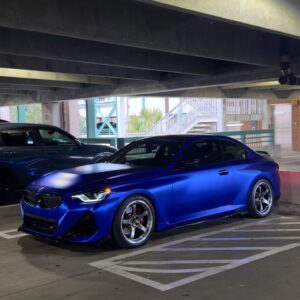
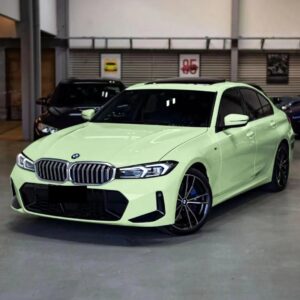
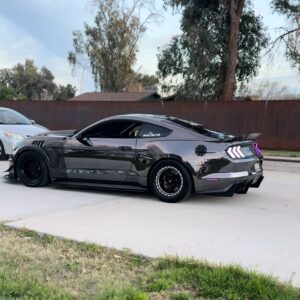
Ask the installer whether the film is designed for clear protection only or whether they also offer style-forward finishes. This matters if you are deciding between a classic gloss film and a more expressive finish. For example, some drivers want invisible protection, while others want a satin, matte, or color-enhanced look through modern PPF systems. The right shop should be able to explain whether a clear film or a colored protection film better matches your vehicle, climate, and maintenance habits.
2. What warranty is included, and who backs it?
A professional PPF quote should always include a written warranty. More importantly, you should ask whether that warranty is backed by the shop, the manufacturer, or both. On official brand pages, leading manufacturers publish meaningful long-term coverage: XPEL states that ULTIMATE PLUS is backed by a 10-year warranty; 3M says its Paint Protection Film Pro Series carries a 10-year warranty; and STEK lists a 10-year warranty for DYNOshield.
When a shop answers this question, ask what is actually covered: yellowing, bubbling, cracking, delamination, staining, or installation defects. Also ask whether the warranty remains valid only if the film is installed by an authorized or trained professional. This can make a major difference when you compare a cheap quote to a premium one.
3. Are your kits computer-cut or hand-trimmed?
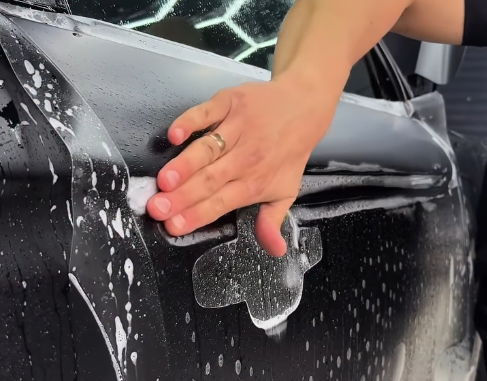
Precision matters. High-quality installers often use software-driven patterns and plotter cutting to reduce unnecessary blade work on painted surfaces. Ask whether the shop uses pre-cut patterns, bulk installs, or a hybrid approach depending on the panel. The goal is not just a clean edge today, but safer paint preservation over time.
Also ask how they wrap edges, handle badges, and protect complex panels like bumpers, mirrors, and rocker areas. A trustworthy installer should be able to explain their process in plain language and show examples of edge finishing, seam placement, and post-install inspection.
4. Can I see real examples of your local work?
Reviews are useful, but real install photos and recent local vehicles are better. Ask to see close-up images of corners, bumper inlets, door cups, mirror caps, and front-edge transitions. These details reveal whether the installer delivers premium work or simply sells premium branding.
It is also smart to ask whether the shop works mainly on daily drivers, luxury cars, EVs, trucks, or exotic vehicles. A shop that regularly installs full-front and full-body kits on your vehicle type may be better equipped to anticipate fitment and finish challenges. If you live in a region with heavy freeway mileage, winter salt, desert heat, or coastal humidity, ask for examples from customers who drive in similar conditions.
5. Which coverage package fits my driving habits?
Not every driver needs a full-body wrap. Some only need a front bumper, partial hood, mirrors, and fenders. Others want track-ready or road-trip-ready protection across the entire vehicle. A good installer should ask where and how you drive before recommending a package.
For example, commuters who spend hours on highways may benefit from front-end protection plus rocker panels, while owners of dark-colored luxury vehicles may prioritize full-body clarity and easier washing. If appearance matters as much as protection, ask whether the shop also offers gloss, matte, or color-shift options that combine styling and defense in one installation.
Brand Comparison Table: What to Compare Before Booking
| Brand | What to Check | Published Strengths | Official Reference |
|---|---|---|---|
| ALUKOVINYL | Film type, self-healing, weather resistance, clear vs. color options | Highlights self-healing, high clarity, UV/weather resistance, and colored TPU solutions | PPF page TPU page |
| XPEL | Installer network, warranty, pattern software access | Official 10-year warranty on ULTIMATE PLUS and strong authorized installer network | XPEL official |
| 3M | Warranty terms, authorized dealer support, defect coverage | Official 10-year warranty on Paint Protection Film Pro Series | 3M official |
| STEK | Hydrophobic top layer, finish options, installer authorization | DYNOshield published as 8 mil with hydrophobic and self-healing properties, plus 10-year warranty | STEK official |
Tip: Do not compare brands on marketing alone. Compare the exact film line, thickness category, warranty coverage, installer training, and the shop’s actual workmanship.
Different Regions: How to Find a Better PPF Shop Near You
Search intent for car ppf near me is highly local, so your evaluation should also be local. Here is a practical way to narrow choices by region:
- Los Angeles / Southern California: Ask about freeway chip resistance, wrapped edges, and high-heat performance. Official installer pages from XPEL Los Angeles can help you cross-check authorized local options.
- New York City / Northeast: Ask how the film handles road salt, winter washing, and tight urban driving. Official regional listings such as XPEL New York and STEK New York are useful verification tools.
- Dallas / Texas: Focus on UV exposure, swirl resistance, and whether the shop frequently installs on trucks, Teslas, and performance vehicles. You can compare with XPEL Dallas.
- Miami / South Florida: Ask about humidity, heat, coastal contamination, and maintenance after installation. Brand locator pages like XPEL Miami can help verify nearby installers.
No matter where you live, the best filter is simple: look for a shop that can prove its film source, explain its install process, provide warranty documentation, and show recent examples from your region.
Final Takeaway
The smartest way to evaluate car ppf near me is not to ask, “Who is cheapest?” It is to ask, “Who can clearly explain film quality, warranty backing, cutting method, workmanship, and the right coverage for my car?” That is how you protect both your finish and your money.
If you want to compare film options before contacting local installers, start with ALUKOVINYL’s product lineup for premium paint protection, advanced TPU solutions, and clear or color-forward finishes designed for today’s performance and luxury vehicles.
FAQ
How do I know if a local PPF shop is trustworthy?
Ask for warranty documents, close-up install photos, recent local jobs, and the exact film brand and product line they use.
Should I choose clear PPF or colored PPF?
Choose clear PPF if you want invisible protection. Choose colored PPF if you want both paint defense and a visual transformation in one installation.
Why is TPU film often recommended?
TPU-based film is widely preferred in the premium category because it is flexible, durable, optically clear, and often includes self-healing performance.