Satin Ceramic White PPF has become one of the most popular choices among luxury vehicle owners who want more than traditional paint protection. Unlike conventional clear films that only preserve the original paint, Satin Ceramic White PPF combines color transformation, satin aesthetics, self-healing protection, and hydrophobic performance in one advanced TPU-based solution.
For enthusiasts who own vehicles like the BMW M4, Porsche 911, Mercedes-AMG, or Tesla Model S, Satin Ceramic White PPF offers a unique way to achieve a premium OEM-style satin finish while protecting the factory paint from stone chips, scratches, UV damage, and environmental contamination.
This article explains everything you need to know about Satin Ceramic White PPF, including its technology, advantages, comparison with vinyl wrap and Clear PPF, installation considerations, real vehicle applications, and why it is becoming a preferred upgrade for high-end cars.
Featured Snippet: What Is Satin Ceramic White PPF?
Satin Ceramic White PPF is a colored paint protection film made from advanced TPU material that changes a vehicle’s appearance to a smooth satin ceramic white finish while providing protection against scratches, rock chips, UV exposure, and chemical contamination.
Unlike traditional vinyl wrap, which mainly focuses on changing vehicle appearance, Satin Ceramic White PPF provides both color customization and paint protection performance.
Key features include:
- Satin ceramic white appearance
- TPU-based protective layer
- Self-healing surface technology
- Hydrophobic top coating
- Resistance against stone chips and road debris
- Easier maintenance compared with traditional matte finishes
For vehicle owners looking for both style and protection, Satin Ceramic White PPF bridges the gap between a premium car wrap and a professional-grade paint protection system.
Why Is Satin Ceramic White PPF Becoming Popular in 2026?
The automotive customization market has shifted from simple color changes toward multifunctional protection solutions.
Previously, vehicle owners usually had two choices:
- Install a vinyl wrap for appearance customization
- Install clear paint protection film for protection
Today, colored PPF combines both functions.
According to industry technical data from leading PPF manufacturers, modern TPU paint protection films typically use multi-layer structures consisting of:
- Protective top coat
- Aliphatic TPU layer
- Acrylic adhesive
- Release liner
For example, professional satin PPF products use approximately 6 mil TPU protective layers combined with specialized satin clear coats designed for scratch resistance and surface durability.
This development has made colored PPF one of the fastest-growing segments in automotive detailing.
Satin Ceramic White PPF vs Traditional Car Wrap vs Clear PPF
Choosing the correct material depends on your priority: appearance, protection, budget, or long-term durability.
Comparison Table
| Feature | Vinyl Car Wrap | Clear PPF | Satin Ceramic White PPF |
|---|---|---|---|
| Main Purpose | Color change | Paint protection | Color change + protection |
| Material | PVC vinyl | TPU | Colored TPU |
| Scratch Protection | Limited | Excellent | Excellent |
| Stone Chip Protection | Low | High | High |
| Self-Healing | Usually No | Yes | Yes |
| Hydrophobic Surface | Depends on coating | Yes | Yes |
| Finish Options | Many colors | Original paint preserved | Premium satin colors |
| Paint Transformation | Yes | No | Yes |
| Expected Lifespan | 3-5 years average | 7-10 years depending on product | Similar to premium PPF systems |
Satin Ceramic White PPF vs Vinyl Wrap
A traditional car wrap remains one of the most affordable ways to change vehicle color.
However, vinyl wrap is primarily an aesthetic product.
Advantages of Vinyl Wrap
✔ Lower initial cost
✔ Huge color selection
✔ Easier temporary styling changes
✔ Suitable for promotional vehicles
Limitations
✘ Limited impact protection
✘ Usually does not self-heal
✘ More vulnerable to rock chips
✘ Surface damage can expose the vinyl layer
For example, a BMW M4 frequently driven on highways may experience front bumper chips from road debris. A vinyl wrap can change the appearance, but it does not provide the same protective barrier as TPU-based Satin Ceramic White PPF.
Satin Ceramic White PPF vs Clear PPF
Clear PPF remains the benchmark for invisible paint protection.
A premium Clear PPF keeps the original factory color while adding a protective TPU layer.
Internal link:
→ Clear PPF:
https://www.alukovinyl.com/Clear-Paint-Protection-Film/
Clear PPF Advantages
✔ Maximum paint preservation
✔ Invisible protection
✔ Excellent resale value protection
✔ Self-healing capability
Satin Ceramic White PPF Advantages
✔ Same protective technology
✔ Adds a completely new appearance
✔ Creates an exclusive satin ceramic finish
✔ Covers minor paint imperfections visually
The choice depends on whether you want to preserve your original paint or transform your vehicle appearance.
The Technology Behind Satin Ceramic White PPF
1. TPU-Based Protection Layer
The foundation of Satin Ceramic White PPF is thermoplastic polyurethane (TPU).
Compared with PVC vinyl materials, TPU provides:
- Higher elasticity
- Better impact resistance
- Improved weather resistance
- Self-healing capability
Professional PPF systems from manufacturers such as XPEL and 3M use polyurethane-based construction designed for automotive paint protection.
2. Self-Healing Surface Technology
One of the biggest advantages of Satin Ceramic White PPF is self-healing.
Minor:
- swirl marks
- washing scratches
- light abrasions
can disappear when exposed to heat from:
- sunlight
- warm water
- controlled heat application
However, self-healing does not repair deep scratches or physical damage that penetrates through the TPU layer.
3. Hydrophobic Ceramic Top Coat
Modern Satin Ceramic White PPF uses a specialized top coating designed to reduce:
- water spotting
- dirt adhesion
- road contamination
This makes maintenance easier compared with traditional matte vinyl surfaces.
Professional satin PPF products are engineered with low surface energy coatings to improve stain resistance and environmental durability.
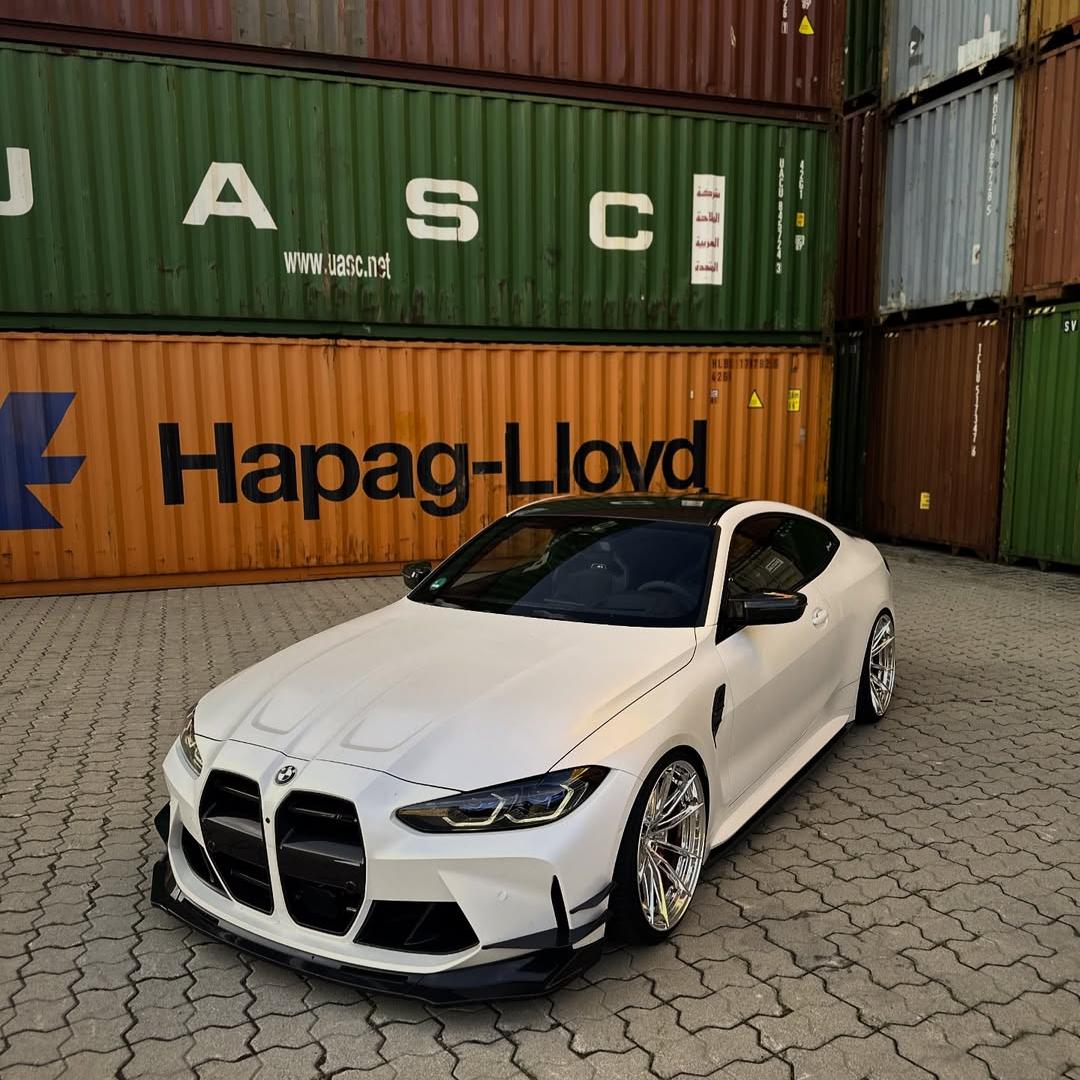
BMW M4 Satin Ceramic White PPF Case Study
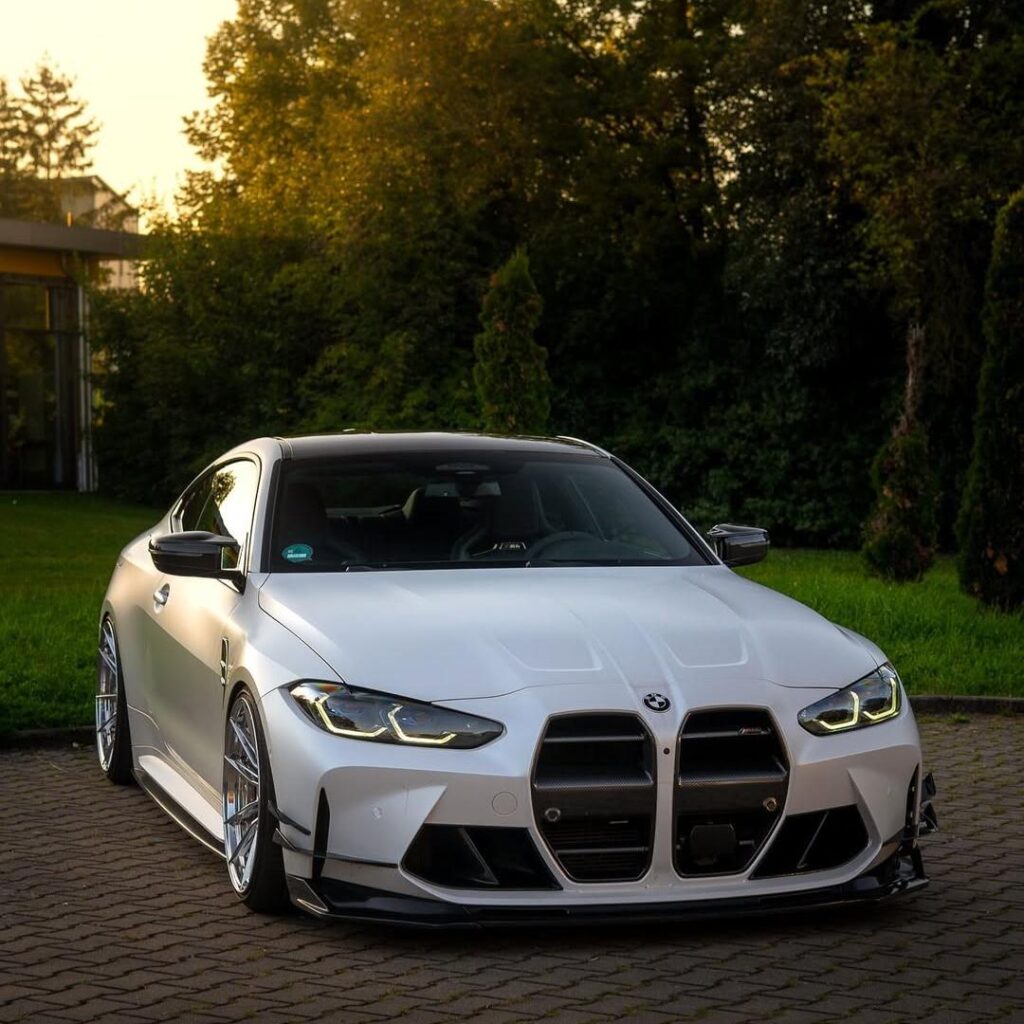
BMW M4 after Satin Ceramic White PPF installation
“BMW M4 transformed with Satin Ceramic White PPF for a factory-inspired luxury satin appearance.”
The BMW M4 is one of the best platforms for Satin Ceramic White PPF because of its:
- aggressive body lines
- large curved panels
- sporty design language
The satin ceramic finish emphasizes the vehicle’s aerodynamic shape while adding protection for daily driving.
Recommended installation areas:
- Full hood
- Front bumper
- Fender
- Side mirrors
- Full body coverage
Porsche 911 Satin Ceramic White PPF Application
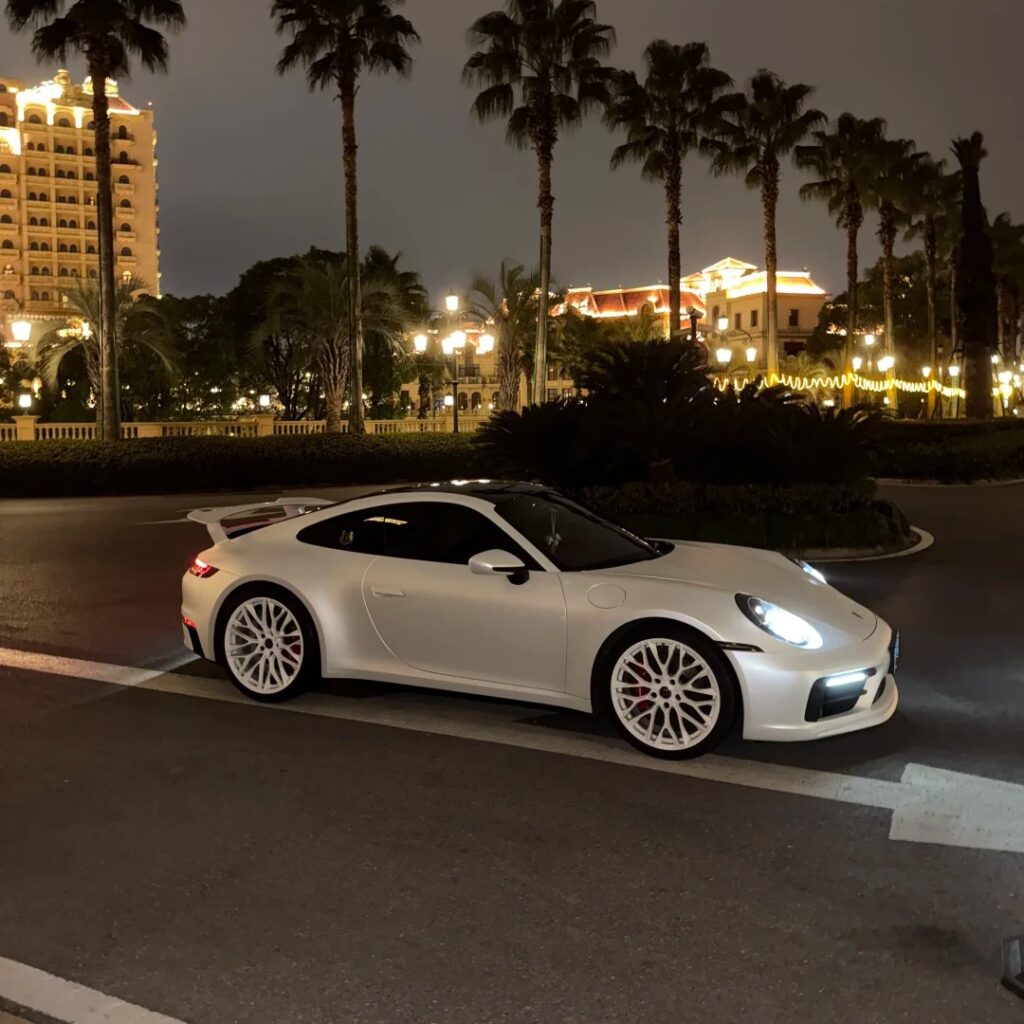
Porsche 911 finished with Satin Ceramic White PPF
Recommended shots:
- Rear quarter angle showing Porsche curves
- Hood reflection comparison
- Close-up satin ceramic texture
Advantages and Disadvantages of Satin Ceramic White PPF
Before choosing Satin Ceramic White PPF, vehicle owners should understand both its benefits and limitations.
A premium colored PPF system is not simply a cosmetic upgrade. It is an investment that combines appearance enhancement with long-term paint preservation.
Advantages of Satin Ceramic White PPF
1. Combines Color Change and Paint Protection
The biggest advantage of Satin Ceramic White PPF is that it replaces the need for two separate upgrades:
- Vinyl wrap for appearance
- Clear PPF for protection
With one installation, owners receive:
✔ Satin ceramic white transformation
✔ TPU impact protection
✔ Scratch resistance
✔ UV protection
✔ Hydrophobic surface
This makes colored PPF a premium alternative to traditional vehicle customization.
Internal link:
→ Explore ALUKO Paint Protection Film:
https://www.alukovinyl.com/Paint-Protection-Film/
2. Premium OEM-Style Satin Appearance
White vehicles are popular because they create a clean, luxury appearance. However, traditional gloss white paint often produces strong reflections and can highlight imperfections.
Satin Ceramic White PPF creates:
- Softer reflections
- Smooth ceramic-like finish
- More visible body contours
- Modern luxury appearance
Many manufacturers now use satin and frozen finishes for limited-production vehicles because these surfaces create a more exclusive appearance.
3. Better Protection Than Traditional Vinyl Wrap
Compared with standard vinyl wrap, Satin Ceramic White PPF provides significantly better resistance against:
- Rock chips
- Road debris
- Minor scratches
- Chemical contamination
A typical TPU color PPF structure uses multiple layers including a protective top coat, TPU base layer, and adhesive layer. Many products in this category are around 7–8 mil thickness and are engineered for self-healing and environmental resistance.
4. Easier Maintenance
White satin finishes can be difficult to maintain when painted directly.
Common problems with satin paint:
- Cannot be polished normally
- Difficult to repair
- Water spots become visible
- Paint correction options are limited
Satin Ceramic White PPF simplifies ownership because damaged film sections can be replaced without repainting the vehicle.
Disadvantages of Satin Ceramic White PPF
Although Satin Ceramic White PPF offers many advantages, it is not perfect.
1. Higher Cost Than Vinyl Wrap
The advanced TPU material and protective technology make colored PPF more expensive than traditional vinyl wrap.
Approximate material positioning:
| Material | Price Level | Main Purpose |
|---|---|---|
| Vinyl Wrap | $ | Appearance |
| Clear PPF | $$$ | Protection |
| Satin Ceramic White PPF | $$$$ | Appearance + Protection |
For owners who only want a temporary color change, vinyl wrap may be more economical.
2. Professional Installation Is Required
Unlike simple vinyl applications, PPF installation requires:
- Proper surface preparation
- Controlled installation environment
- Experience with stretching TPU
- Edge finishing techniques
Poor installation may cause:
- Visible edges
- Contamination under film
- Lifting areas
- Uneven finish
For expensive vehicles such as BMW M4 or Porsche 911, professional installation is highly recommended.
3. Satin Surfaces Require Correct Care
Satin finishes should not be treated like glossy paint.
Avoid:
- Aggressive polishing
- Abrasive compounds
- Automatic brush car washes
- Harsh chemicals
Recommended maintenance:
✔ pH-neutral car shampoo
✔ Soft microfiber towels
✔ Regular washing
✔ Avoid high-pressure spraying directly at edges
Satin Ceramic White PPF Installation Process
A professional installation usually includes the following steps:
Step 1: Vehicle Inspection and Preparation
Before installation:
- Inspect paint condition
- Remove contamination
- Clean surface thoroughly
- Perform paint correction if necessary
The final appearance depends heavily on the condition of the paint underneath.
Step 2: Film Cutting and Panel Preparation
Installers typically prepare patterns based on:
- Vehicle model
- Panel dimensions
- Coverage requirements
For premium vehicles, many installers wrap edges whenever possible to create an almost factory-painted appearance.
Step 3: Wet Application
Most TPU PPF systems use wet installation methods.
The installer applies:
- Slip solution
- Film positioning
- Squeegee pressure
- Edge finishing
The TPU material allows controlled stretching around curves.
Step 4: Final Inspection and Curing
After installation:
- Remove installation moisture
- Check edges
- Inspect seams
- Allow adhesive curing time
Minor water marks or haze can disappear during curing depending on film construction and environmental conditions.
How Long Does Satin Ceramic White PPF Last?
The lifespan depends on:
- Film quality
- Climate
- Maintenance
- Installation quality
- Driving conditions
Most premium TPU color PPF products are designed for approximately:
5–10 years of service life under normal conditions.
Some manufacturers advertise warranties ranging from 5 to 10 years depending on product series and usage environment.
For maximum lifespan:
- Wash regularly
- Avoid prolonged chemical exposure
- Park indoors when possible
- Follow manufacturer maintenance recommendations
Satin Ceramic White PPF Cost: Is It Worth It?
The final cost depends on:
- Vehicle size
- Coverage area
- Film brand
- Installation complexity
Typical full vehicle installation ranges:
| Vehicle Type | Estimated Film Requirement |
|---|---|
| Coupe (BMW M4 / Porsche 911) | 45–55 ft |
| Sedan | 55–65 ft |
| SUV | 65–75+ ft |
Luxury sports cars often cost more because of:
- Complex body curves
- Additional trimming
- More installation hours
For owners comparing options:
Choose Vinyl Wrap If:
✔ You want the lowest cost color change
✔ You change colors frequently
✔ Protection is not your priority
Choose Clear PPF If:
✔ You love your factory paint
✔ Maximum protection is the goal
Choose Satin Ceramic White PPF If:
✔ You want a completely new appearance
✔ You want TPU protection
✔ You own a premium vehicle
✔ You want long-term value
- Front 45-degree view
- Side profile showing satin texture
- Hood close-up showing ceramic white finish
Satin Ceramic White PPF vs Other Colored PPF Options
Colored PPF has expanded beyond traditional colors.
Popular choices include:
- Satin Ceramic White PPF
- Satin Black PPF
- Red Colored PPF
- Blue Colored PPF
- Pink Colored PPF
- Carbon Fiber PPF
Unlike traditional vinyl colors, colored PPF provides TPU-based protection while allowing owners to customize vehicle appearance.
Internal link:
→ Colored PPF Collection:
https://www.alukovinyl.com/TPU-Satin-Ceramic-White-Colored-PPF-Paint-Protection-Film
Frequently Asked Questions About Satin Ceramic White PPF
1. Is Satin Ceramic White PPF better than vinyl wrap?
Yes, if protection is important.
Vinyl wrap mainly changes vehicle appearance, while Satin Ceramic White PPF provides color transformation plus TPU paint protection.
2. Does Satin Ceramic White PPF self-heal?
Yes.
The TPU top layer can repair minor swirl marks and light scratches when exposed to heat.
However, deep scratches and impact damage cannot be completely repaired.
3. Can Satin Ceramic White PPF protect against rock chips?
Yes.
The TPU structure helps absorb impacts from small road debris and protects the original paint underneath.
4. Can I install ceramic coating over Satin Ceramic White PPF?
Yes.
Many owners apply compatible ceramic coatings to improve:
- Water repellency
- Cleaning ability
- Surface protection
Always confirm compatibility with the film manufacturer.
5. Does Satin Ceramic White PPF change the original paint color permanently?
No.
The film can be professionally removed, revealing the original paint underneath when properly maintained.
6. Is Satin Ceramic White PPF suitable for daily drivers?
Yes.
It is especially suitable for:
- Luxury vehicles
- Sports cars
- Tesla models
- Daily vehicles exposed to highways
7. How do I clean Satin Ceramic White PPF?
Recommended:
- pH-neutral shampoo
- Microfiber wash mitt
- Soft drying towel
Avoid:
- Abrasive cleaners
- Automatic brush washes
- Strong solvents
Upgrade Your Vehicle with Satin Ceramic White PPF
Satin Ceramic White PPF represents the next generation of vehicle customization by combining the appearance of a premium color change with the protection technology of modern paint protection film.
Compared with traditional car wrap, it offers stronger protection. Compared with Clear PPF, it provides a complete visual transformation. Compared with traditional colored vinyl wrap, it delivers a more advanced TPU-based protective solution.
For drivers who want a luxury satin appearance without sacrificing paint protection, Satin Ceramic White PPF is one of the most complete upgrades available in 2026.
Explore ALUKO Vinyl’s advanced PPF solutions: