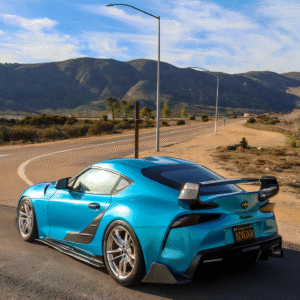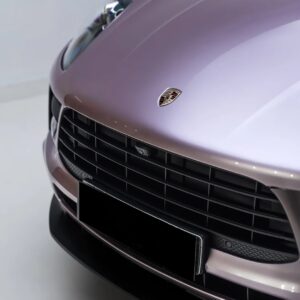
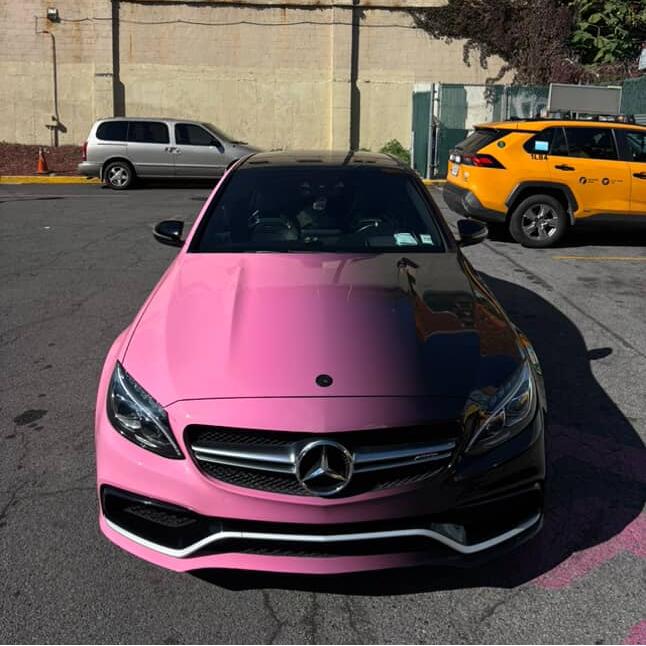
Short answer: In 2025, a professional full-vehicle wrap typically runs $2,000–$7,000+ depending on size, complexity, and finish—small sedans at the low end, SUVs/trucks in the mid range, and exotics or chrome/color-shift finishes at the top. Recent buyer guides from trusted auto publications put the typical span anywhere from the low $2,000s up to $10,000+ for premium films and challenging installs.
Car wrap cost at a glance (typical retail pricing)
| Vehicle type | Common range (vinyl color change) | Notes |
|---|---|---|
| Sedan / compact | $2,000–$3,500 | Least square footage; simpler contours. |
| Mid-size SUV / pickup | $3,000–$6,000 | More panels and surface area raise labor and material. |
| Sports / luxury / exotic | $5,000–$10,000+ | Complex curves; premium films (chrome, color-shift) cost more. |
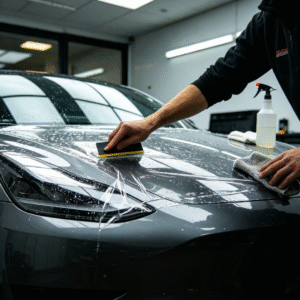
By comparison, full-body PPF (paint protection film) is generally higher—often $5,000–$8,000+ for full coverage—because the film is thicker, self-healing TPU and installs are more time-intensive. Colored PPF trends are rising and price accordingly.
What actually drives the price?
- Vehicle size & complexity. More square footage and aggressive curves increase both material usage and skilled labor hours. Authoritative cost guides for trucks and SUVs show this clearly in their higher bands.
- Film family & brand. Premium cast wrap films—like 3M™ Wrap Film Series 2080 and Avery Dennison® SW900—offer high conformability and long durability, which you’re paying for. 3M advertises up to ~8 years warranted protection in vertical applications (by zone), while Avery’s SW900 warranty term equals its rated durability.
- Finish & color. Matte/satin, textured carbon fiber, brushed metal, color-shift, and especially chrome typically carry material and install premiums; mainstream buyer guides confirm large jumps for chrome or specialty finishes.
- Surface prep & panel removal. Badges, bumpers, mirrors, handles, and old adhesive add time. Wrap removal—if needed—can add roughly $500–$1,000+ depending on condition.
- Installer expertise & warranty support. Shops investing in training/certification and using top-tier films price accordingly; you’re buying workmanship plus a usable warranty, not just film cost. 3M’s and Avery’s documentation details how climate zones and application impact warranty terms.
FAQ: How much does it cost to get a car wrapped—really?
For a typical daily-driver sedan, expect $2,000–$3,500 for a solid-color, high-quality vinyl wrap (installed). Mid-size SUVs and trucks commonly fall between $3,000–$6,000. Exotics, wide-bodies, or chrome/color-shift projects can reach $7,000–$10,000+ when labor hours and specialty film premiums are factored in. These numbers align with up-to-date buyer guides across 2024–2025 and the wrapping industry’s own training resources.
Vinyl color change vs. PPF (and color PPF)
Vinyl color change is about style and brand-level paint protection (bug/acids exclusion varies by film); it’s thinner and more conformable for dramatic color/finish changes. PPF is a thicker, self-healing TPU layer that prioritizes impact and abrasion protection; full-car installs take longer and cost more. New colored PPF options blend both goals but are priced closer to PPF than vinyl.
Picking the right film tier
- Premium cast vinyl (3M 2080 / Avery SW900): Excellent conformability, broad color libraries, and long warranties (zone-dependent). Ideal for full color changes with complex curves.
- Specialty looks: Chrome, brushed, carbon fiber, and color-shift films are stunning but add material cost and install time.
- PPF (clear or colored): Best for rock-chip/abrasion resistance and long-term finish preservation; expect higher pricing.
How to stay on budget (without compromising results)
- Go partial. Roof/hood/mirrors or a tasteful two-tone can deliver impact for a fraction of a full wrap.
- Choose mainstream finishes. Solid gloss or satin shades usually price lower than chrome or multi-layer effects. Major buyer guides show big jumps for chrome/specialty.
- Prep well. Arrive with a clean, decontaminated vehicle to cut shop time (and cost) and help your warranty claims later. Warranty language from 3M and Avery stresses proper prep and application.
- Compare like-for-like quotes. Ensure quotes specify film brand/series, coverage (door jambs?), panel removal, and aftercare; “mystery vinyl” often means shorter life and no meaningful warranty.
Aftercare & lifespan
With proper care, premium wraps commonly last several years in vertical exposure (exact durability depends on climate zone, film color/finish, and maintenance). Both 3M and Avery publish zone-based durability/warranty guidance; ask your installer which zone applies to you and what activities (abrasives, harsh chemicals) void coverage.
Next steps with ALUKOVINYL
Explore finishes and plan your project:
- Browse all finishes and order samples: vinyl wrap.
- Prefer a stealth look? See our Matte Vinyl Wraps to compare shades and textures.
- Prioritizing rock-chip protection? Review our Paint Protection Film (PPF) options, including new colored TPU films.