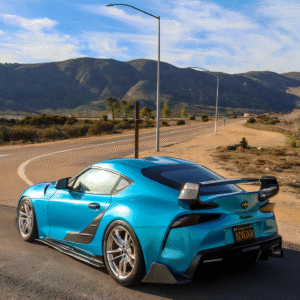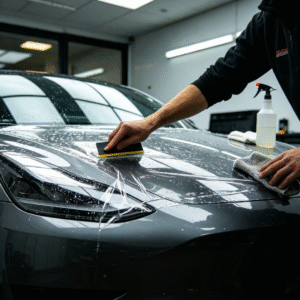
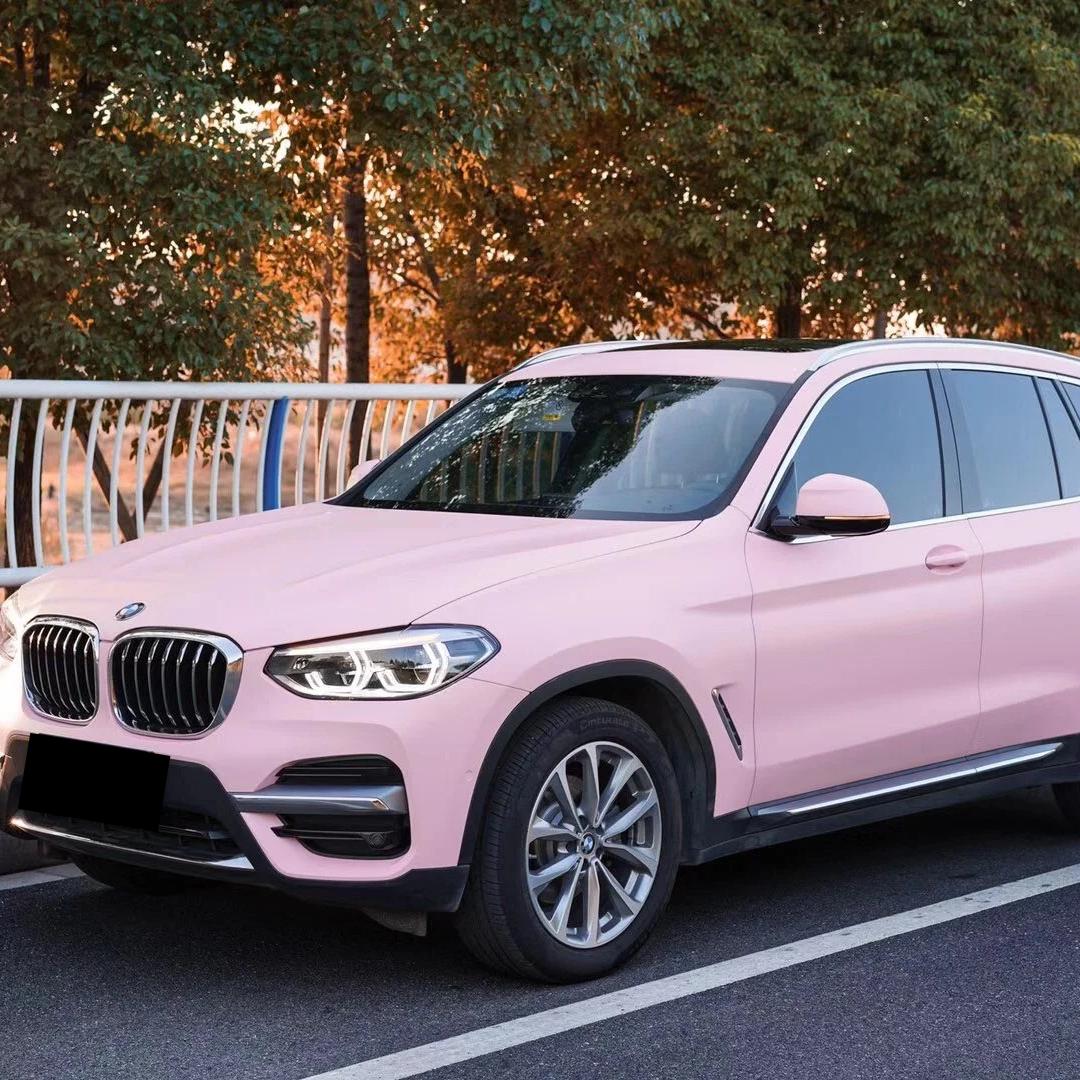
If you’re pricing a full color change or a subtle refresh, understanding car wrap prices helps you set a realistic budget and avoid surprises. In 2025, most full wraps land in a broad range because cost depends on your vehicle’s size and complexity, the film you choose (cast vs. calendared, gloss vs. matte vs. specialty), and the hours of skilled labor required. Below, we break down the biggest drivers of price, typical ranges by scenario, and smart add-ons—so you can compare quotes with confidence.
What most affects the price?
- Vehicle size & complexity. Larger bodies (SUVs, vans, trucks), deep recesses, tight curves, aero kits, and multi-piece bumpers require more film and more skilled install time.
- Film construction & finish. Cast PVC is thinner, more conformable, and usually pricier than calendared. Specialty finishes (color-shift, chrome, textured, forged carbon) and printed designs add material and install time.
- Surface condition & prep. Decontamination, paint correction for high-gloss looks, and panel removal (mirrors, handles, trims, badges) increase labor.
- Design/printing & paneling. For printed liveries, you’ll pay for design time, color-proofing, and precise panel alignment.
- Installer experience & location. Hourly rates vary by market and shop reputation; top installers charge more because they deliver cleaner seams and longer-lasting results.
Typical price ranges in 2025
These are benchmark ranges many owners see when requesting quotes for high-quality films and professional installation. Your exact price will reflect the factors above.
- Small coupes/sedans (solid color cast film): roughly $2,000–$3,500.
- Crossovers/SUVs/trucks: roughly $3,500–$6,500.
- Luxury/exotics or complex bodies: $6,000–$10,000+ (specialty films, extra disassembly).
- Partial wraps (roofs, hoods, accents): ~$600–$2,600 depending on coverage and film.
- Wrap removal: often $500–$1,000 when the film is in good condition; more if the vinyl has fused to paint or if adhesive cleanup is extensive.
DIY vs. professional installation
DIY is viable for simpler panels if you have patience, a controlled workspace, and the right tools. Material costs are commonly estimated by the square foot (base film + install supplies). However, the majority of a professional quote is labor—panel removal/reinstall, heat-setting, and finish work that determines how the wrap looks at 6 inches (not just 6 feet). If your goal is an OEM-like finish and multi-year durability, a reputable installer is usually worth the premium.
Choosing film: budget to premium
Calendared vinyl can reduce upfront cost for flatter panels and short-term projects, while cast vinyl excels on curves and delivers longer outdoor life. Specialty lines (chrome, color-shift, pearl, brushed, textured) carry material premiums and require slower installation. For the best primer on materials and maintenance, see our in-depth complete guide to car wraps.
Add-ons that change the total
- Panel removal & door-jamb wraps: Cleaner edges and color continuity when doors are open, but additional hours of labor.
- Ceramic coating on top of wrap: Adds slickness and easier cleaning; many owners choose this for darker gloss films to reduce marring.
- PPF (Paint Protection Film) in high-impact zones: A growing choice is a hybrid: vinyl wrap for color + PPF on bumpers/rockers to absorb chips. Explore when to choose PPF in our paint protection film guide.
How to compare quotes like a pro
- Ask for specifics: film brand/series, cast vs. calendared, warranty terms, expected outdoor durability, and whether edges/handles/bumpers are removed or wrapped in place.
- Review portfolio photos up close: Look at seams, relief cuts, and edges around handles/mirrors. Clean trimming is a reliable proxy for durability.
- Confirm prep and post-care: What decon and paint correction are included? Are you getting a 1-week/1-month inspection for edge touch-ups? How should you wash and protect the wrap?
- Match film and finish to your use case: Daily drivers benefit from easy-care satins and high-gloss cast films; show cars may justify premium textures or custom prints.
Where to start (and how to budget)
As a fast rule of thumb, build your budget from the median ranges above, then add allowances for specialty film and any panel removal/door-jamb work. If you’re just beginning your research, browse our car wrap inspiration and current color families, including deep blacks and trending neutrals in black vinyl wrap. When you’re ready for a quote, share photos of every angle, note repainted areas, and specify desired finishes. That information lets installers price precisely—and helps you compare proposals apples-to-apples.
Bottom line
Car wrap prices vary because quality wraps are custom work. With the right film, careful prep, and an installer who sweats the details, you’ll get a reversible finish that protects the original paint, sharpens resale appeal, and looks great up close. Take your time to choose materials and scope that fit your goals—and use the guidance above to make every dollar count.