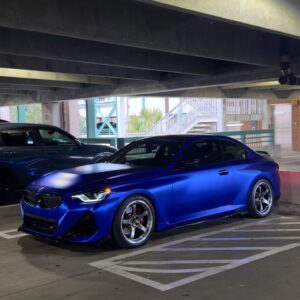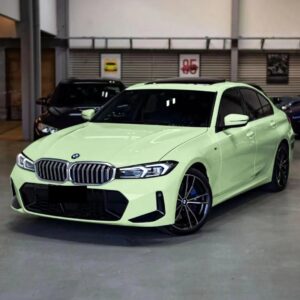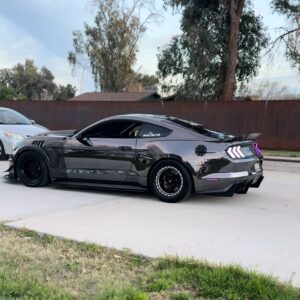
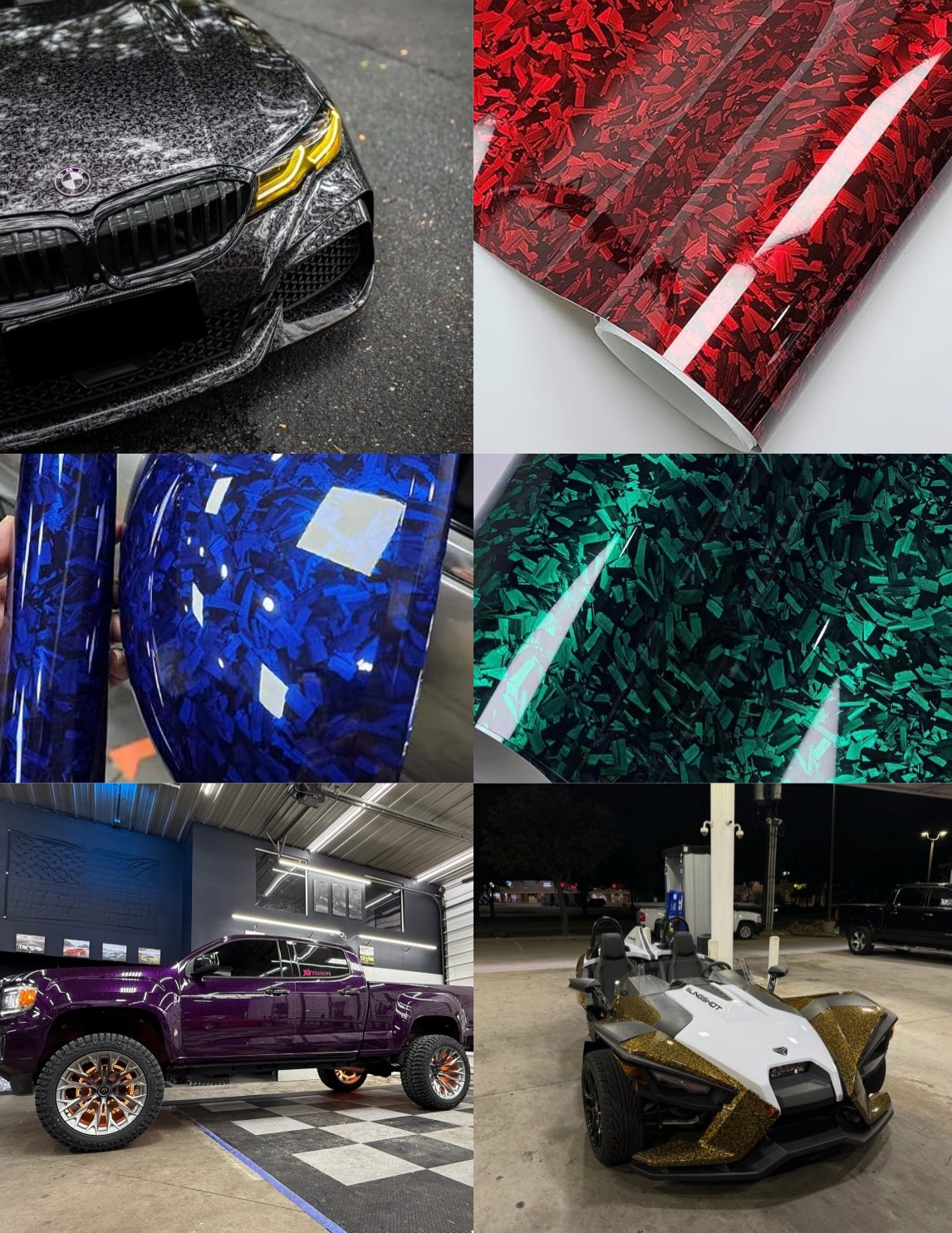
Carbon fiber has been associated with performance cars, motorsports, and exotic vehicles for decades. But if you want something more distinctive than the familiar woven carbon pattern, forged carbon fiber wrap offers a completely different visual experience.
Instead of the orderly woven appearance associated with traditional carbon fiber, forged carbon features an irregular, fragmented pattern. The scattered carbon-like pieces create a surface that looks organic, aggressive, and almost stone-like, especially when viewed under changing light.
Today, the style has expanded far beyond conventional black. Black, red, purple, green, and blue forged carbon allow enthusiasts to combine the technical character of carbon fiber with a much stronger color identity.
This guide explains what forged carbon fiber wrap is, how it compares with traditional carbon fiber wrap and genuine forged composite, its advantages and disadvantages, how different colors change the appearance of a vehicle, and what you should consider before wrapping your car.
What Is Forged Carbon Fiber Wrap?
Forged carbon fiber wrap is an automotive vinyl film designed to reproduce the irregular, chopped-carbon appearance of real forged carbon composite. Unlike traditional carbon fiber wrap, which normally uses an organized woven pattern, forged carbon wrap features randomly distributed carbon-style fragments. It can be used on hoods, roofs, spoilers, mirrors, interior trim, and—in suitable films—even larger exterior panels or full vehicle projects.
It is important to distinguish appearance from construction: a forged carbon vinyl wrap is not structural carbon fiber. Its primary purpose is visual customization and surface coverage rather than adding the mechanical properties of a genuine composite component.
For enthusiasts who want the exotic appearance without replacing body panels with expensive composite parts, however, it can create a dramatic transformation.
Explore Aluko Forged Carbon Fiber Wrap
What Is Real Forged Carbon?
To understand forged carbon wrap, it helps to understand the material that inspired it.
Traditional carbon-fiber components are commonly recognized by their organized woven pattern. Forged composite takes a different approach.
According to Lamborghini’s technical information on Forged Composites®, the material uses discontinuous carbon fiber combined with resin. Rather than presenting the highly organized weave most people associate with carbon fiber, the resulting material has a much more random visual structure.
Lamborghini describes its forged composite technology as offering characteristics such as resistance to fatigue and moisture, good mechanical workability, and the ability to adapt to specific design requirements.¹
That irregular carbon distribution is responsible for the appearance enthusiasts now recognize as forged carbon.
Real Forged Carbon vs. Forged Carbon Vinyl
The distinction is important.
| Feature | Real Forged Carbon Composite | Forged Carbon Fiber Wrap |
|---|---|---|
| Construction | Carbon fibers + resin | Automotive vinyl film |
| Structural material | Yes | No |
| Appearance | Random carbon fragments | Printed/textured forged-carbon effect |
| Installation | Replacement/manufactured component | Applied over an existing surface |
| Color options | Usually carbon-dominant | Black, red, blue, purple, green, etc. |
| Reversible | Generally no | Yes, under appropriate removal conditions |
| Best purpose | Structural/performance components | Styling and customization |
A wrap therefore shouldn’t be described as giving your hood the structural performance of forged carbon.
Instead, think of it as a way to capture the visual language of forged carbon without replacing the panel itself.
Why Is Forged Carbon Fiber Wrap Becoming Popular?
Traditional carbon fiber wrap is still one of the most recognizable automotive finishes available. Its repeating weave communicates performance immediately.
But that familiarity can also be its weakness.
On highly customized builds, a conventional carbon weave may no longer feel particularly unusual.
Forged carbon solves that problem.
The random structure means your eye doesn’t follow perfectly repeating diagonal lines. Instead, the finish appears fragmented and dynamic.
This creates several visual advantages.
More Exotic Appearance
Forged carbon is strongly associated with modern supercar and performance design.
Lamborghini’s development of Forged Composites® helped establish the aesthetic within exotic automotive culture. Lamborghini says the technology debuted in 2010 with the Sesto Elemento.²
That connection gives forged carbon an unmistakably high-performance character.
More Visual Depth
A good forged carbon design contains irregular areas of light and dark rather than a uniform weave.
From a distance, it may appear relatively subtle.
Move closer—or change the lighting angle—and individual fragments become more noticeable.
More Color Freedom
Vinyl also removes one of the limitations of real carbon materials: you aren’t restricted to a mostly black/gray appearance.
You can choose:
- Black forged carbon
- Red forged carbon
- Purple forged carbon
- Green forged carbon
- Blue forged carbon
That makes forged carbon suitable not only for performance-inspired builds but also for cars built around a specific color theme.
Forged Carbon Fiber Wrap vs. Traditional Carbon Fiber Wrap
This is one of the most important comparisons for buyers.
VViViD, another wrap manufacturer, notes that labels such as 3D, 4D, 5D, and forged carbon aren’t standardized industry classifications and may be used differently between manufacturers. What matters more is the actual texture, gloss level, pattern, and construction of the film.³
That is useful advice when shopping.
Don’t choose a film simply because the product title contains a higher number.
Look at the actual finish.
| Characteristic | Traditional Carbon Fiber Wrap | Forged Carbon Fiber Wrap |
| Pattern | Repeating weave | Random fragments |
| Overall style | Classic motorsport | Modern exotic |
| Visual uniformity | High | Intentionally irregular |
| Appearance from distance | Cleaner | More complex |
| Color flexibility | Moderate | Very high |
| OEM-inspired feel | Strong | More customized |
| Best for | Classic performance builds | Exotic/custom builds |
Neither option is objectively better.
Traditional carbon fiber is the better choice if you want a clean, familiar motorsport appearance. Forged carbon is better if you want something more aggressive, unconventional, and visually distinctive.
The Best Forged Carbon Fiber Wrap Colors
One of the biggest advantages of modern forged carbon wrap is the ability to move beyond black.
Different base colors can completely change how the fragmented pattern interacts with the rest of your vehicle.
1. Black Forged Carbon Fiber Wrap
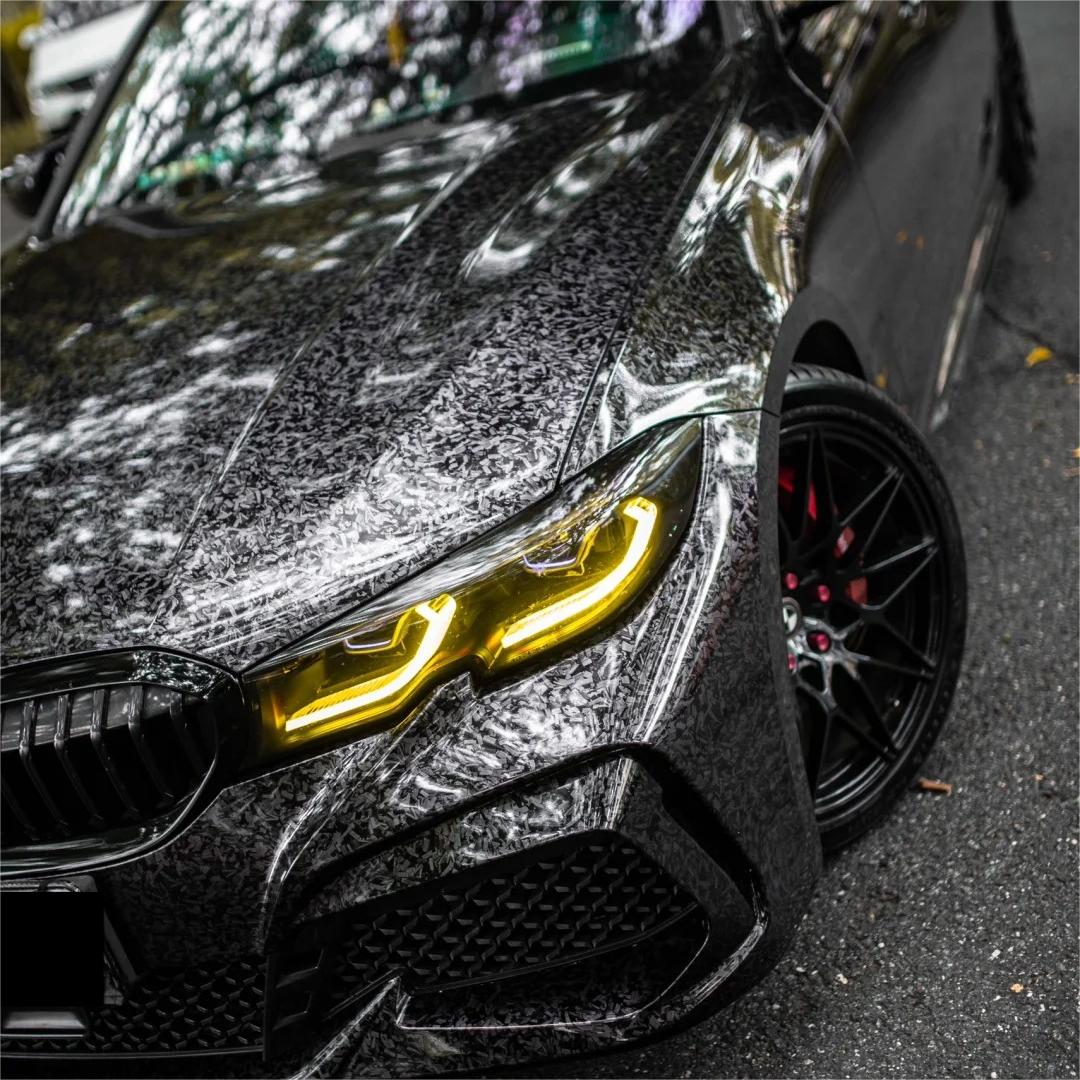
If you’re trying forged carbon for the first time, black forged carbon is the safest and most versatile choice.
It stays closest to the appearance people associate with genuine carbon composites while introducing the distinctive irregular forged pattern.
Black also works exceptionally well as a contrast finish.
Best applications:
Hoods, roofs, trunks, spoilers, mirror caps, front splitters, side skirts, interior trim, and performance-style accent panels.
A black forged carbon hood on a white, gray, silver, red, or brightly colored vehicle creates immediate contrast without introducing another dominant color.
Why choose black?
Pros
- Closest to a traditional carbon aesthetic
- Easy to pair with almost any paint color
- Aggressive without being excessively colorful
- Suitable for both exterior and interior accents
- Excellent choice for performance-oriented builds
Cons
- Less visually dramatic than brighter forged-carbon colors
- Dark patterns can become less noticeable from a distance
- Surface dust may be more noticeable depending on the finish
Best for: Drivers who want the forged-carbon look while keeping the build sophisticated and performance focused.
2. Red Forged Carbon Fiber Wrap
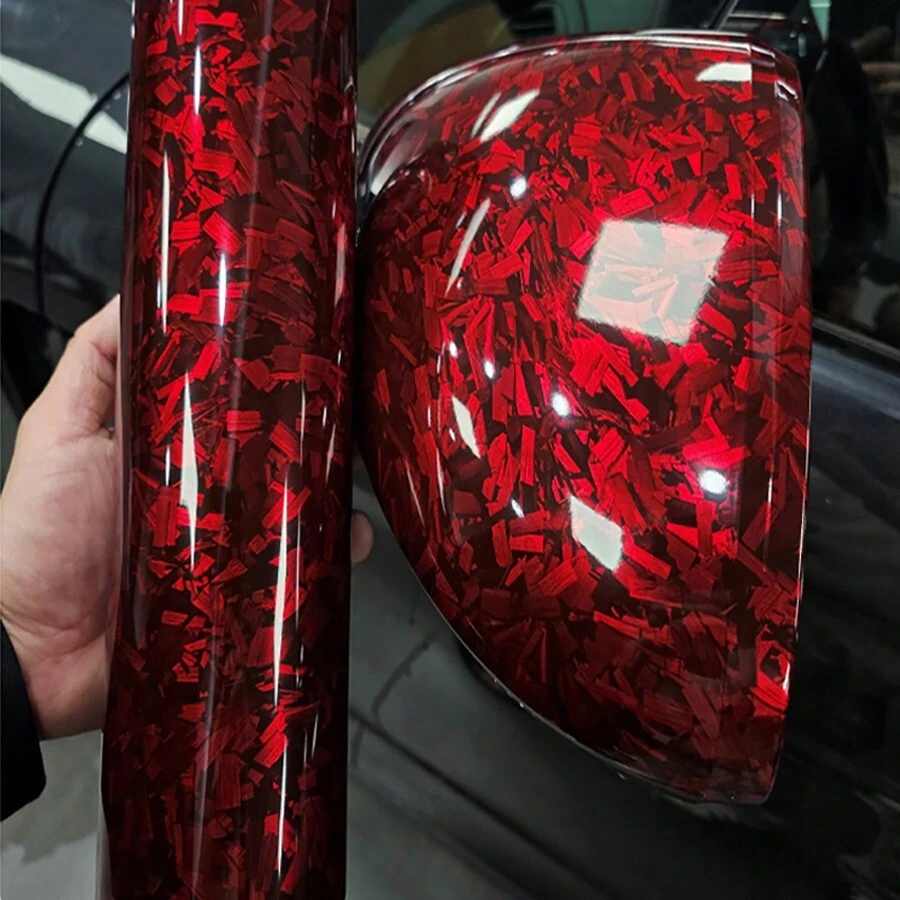
Red forged carbon takes the same fragmented carbon appearance and turns up the visual intensity.
Instead of acting primarily as a neutral performance accent, red becomes part of the vehicle’s color story.
It can work especially well when the vehicle already contains red details such as brake calipers, stitching, badges, graphics, or interior accents.
Where does red forged carbon work best?
A red forged carbon hood can become the visual centerpiece of a black or dark gray car.
Smaller applications—mirror caps, spoilers, interior trim, or roof accents—can provide a more controlled effect.
Why choose red?
Pros
- Aggressive and highly noticeable
- Strong motorsport character
- Excellent contrast against black
- Can coordinate exterior and interior accents
- More unusual than conventional black carbon
Cons
- Harder to pair with some vehicle colors
- Can dominate a build if used excessively
- Requires stronger overall color coordination
Best for: Sports cars, track-inspired builds, black-and-red themes, and owners who want forged carbon to become a major design feature.
3. Purple Forged Carbon Fiber Wrap
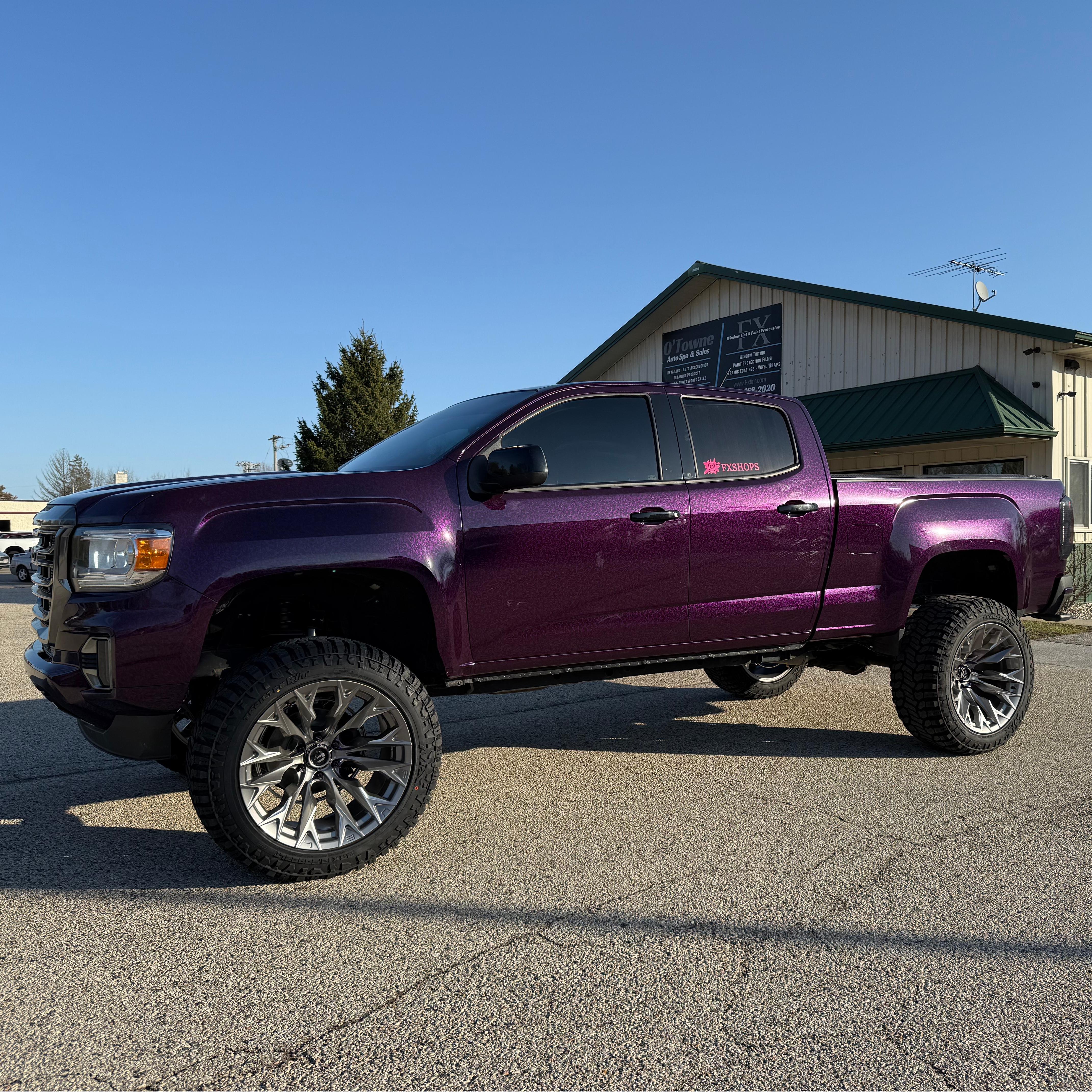
For enthusiasts who prioritize uniqueness, purple forged carbon may be one of the most interesting choices.
Purple already occupies an unusual position in automotive customization. It can look elegant in darker lighting and dramatically more vibrant in direct sunlight.
Combining it with an irregular forged-carbon pattern makes the effect even more distinctive.
Why purple works with forged carbon
The fragmented pattern prevents a large purple surface from appearing too flat.
Instead, dark carbon-like areas break up the color and give the panel more visual complexity.
On black vehicles, purple forged carbon can create an especially strong contrast while maintaining a dark overall theme.
Pros
- Extremely distinctive
- Works well with black exterior components
- Creates strong visual depth
- Ideal for show-oriented builds
- Less common than standard carbon finishes
Cons
- Not suitable for every vehicle color
- More difficult to coordinate than black
- Can become visually busy when applied to too many unrelated panels
Best for: Custom builds, tuner cars, show cars, and enthusiasts looking for something outside traditional motorsport styling.
4. Green Forged Carbon Fiber Wrap
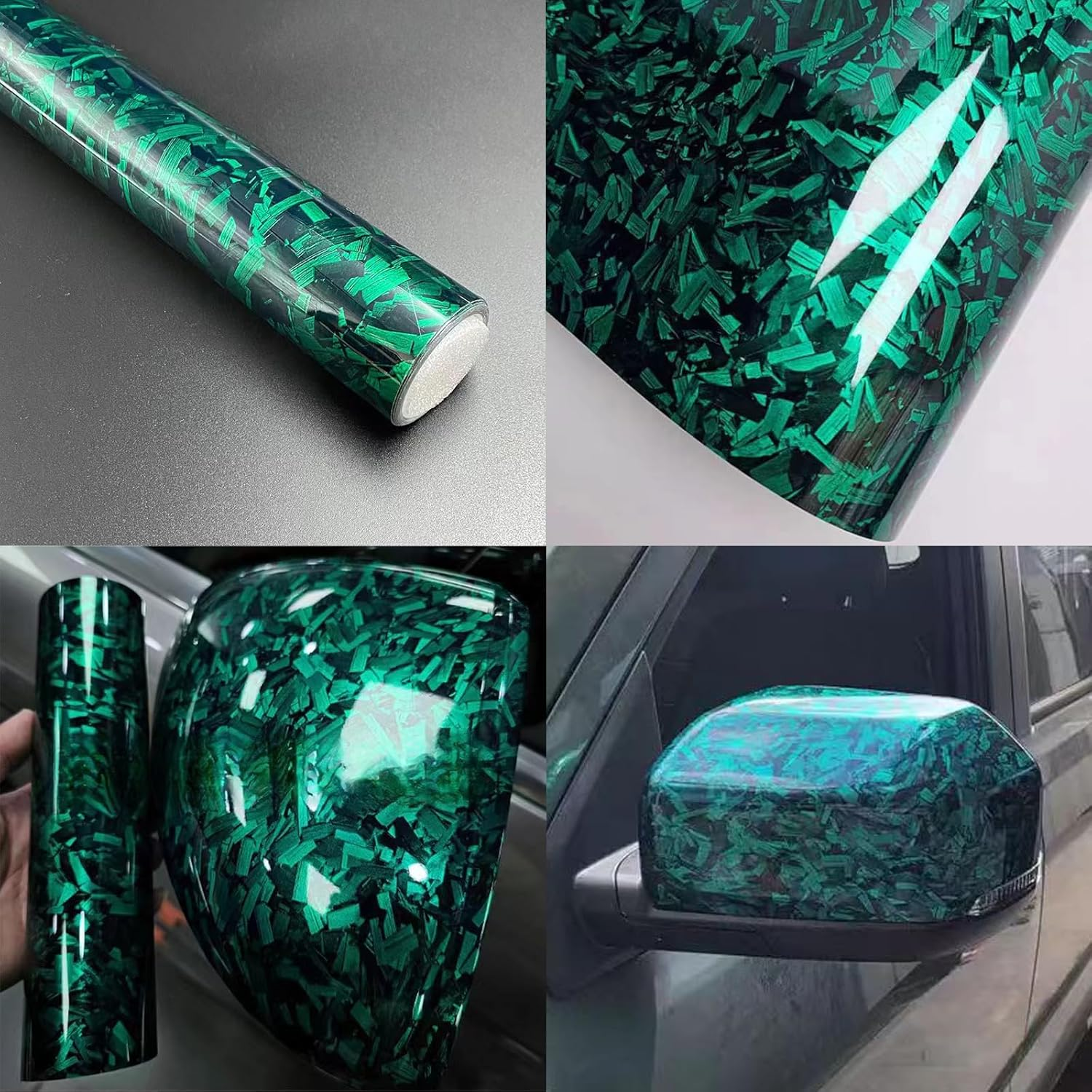
Green forged carbon is an unconventional choice—and that’s precisely its appeal.
Dark or rich green tones combined with black carbon-style fragments can create an appearance that sits somewhere between motorsport, exotic performance, and military-inspired styling.
The result depends heavily on the exact shade and surface finish.
Under softer lighting, a dark green forged-carbon surface may appear relatively understated. Under direct sunlight, the carbon pattern can become much more obvious.
Pros
- Rare and distinctive appearance
- Works extremely well with black accents
- Can create an exotic or aggressive theme
- Suitable for both exterior and interior customization
Cons
- More difficult to coordinate with existing paint colors
- Large applications can be visually intense
- Less universally appealing than black
Best for: Owners looking for an unusual performance aesthetic and vehicles already using green, black, bronze, or other earthy/dark accent colors.
5. Blue Forged Carbon Fiber Wrap
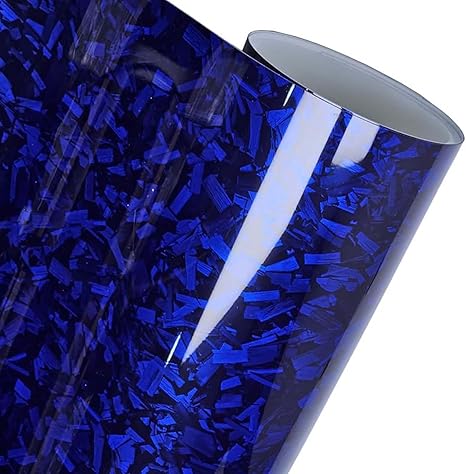
Blue forged carbon offers one of the best compromises between color and everyday usability.
It is more noticeable than black but generally easier to integrate into a vehicle’s design than red, purple, or green.
Depending on the shade, blue forged carbon can range from understated and technical to extremely vivid.
Why choose blue?
Against a black vehicle, blue forged carbon produces a cool-toned performance theme.
Against a blue car, it can work as a texture change rather than a completely different color—particularly useful for hoods, roofs, and spoilers.
Pros
- Sporty but relatively versatile
- Works particularly well with black
- Can complement existing blue paint
- Good balance between exotic and restrained
- Suitable for both large and small accents
Cons
- The exact shade needs to coordinate with the vehicle
- Pattern visibility varies substantially with lighting
- Too many blue shades on one build can clash
Best for: Modern performance vehicles, blue-and-black builds, and owners who want something more colorful than conventional carbon without going as bold as purple or red.
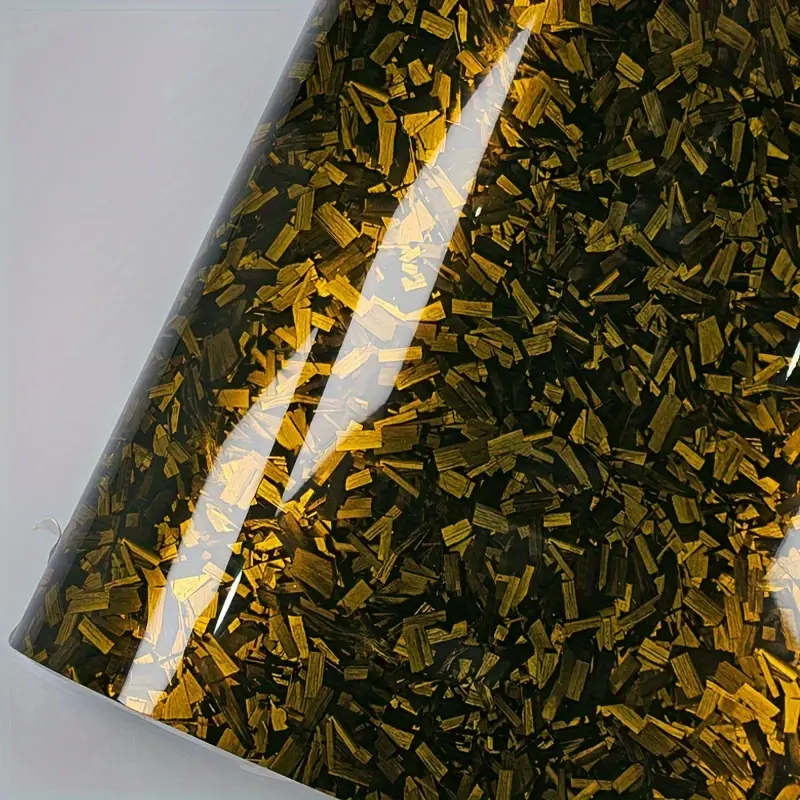
Black vs. Red vs. Purple vs. Green vs. Blue Forged Carbon
If you’re having trouble choosing, think about the personality you want the vehicle to communicate.
| Color | Visual Character | Versatility | Attention Level |
| Black | OEM+, technical, aggressive | ★★★★★ | ★★★ |
| Red | Racing, energetic | ★★★ | ★★★★★ |
| Purple | Exotic, custom | ★★★ | ★★★★★ |
| Green | Unconventional, aggressive | ★★★ | ★★★★ |
| Blue | Sporty, modern | ★★★★ | ★★★★ |
For the most realistic carbon-inspired look, start with black forged carbon.
For maximum impact, consider red or purple.
For something unusual, try green.
For the best balance between color and versatility, blue forged carbon is an excellent option.
Full Forged Carbon Wrap or Forged Carbon Accents?
More forged carbon isn’t automatically better.
Because the pattern is visually complex, strategic placement can often produce a stronger result than applying it everywhere.
Partial Forged Carbon Wrap
This is arguably the most natural use of forged carbon.
Popular areas include:
- Hood
- Roof
- Trunk
- Spoiler
- Mirror caps
- Rocker panels
- Interior trim
- Selected aerodynamic components
A forged carbon hood, for example, creates the visual suggestion of a lightweight performance component while allowing the original body color to frame it.
Full Forged Carbon Wrap
A full forged-carbon vehicle makes a much stronger statement.
Because the pattern continues across large body panels, the vehicle gains a highly customized, almost concept-car appearance.
However, panel orientation and consistency become much more important.
Professional planning is recommended before installation so adjacent panels appear intentional rather than randomly assembled.
What Are the Pros and Cons of Forged Carbon Fiber Wrap?
Advantages
1. Exotic Carbon Appearance
You can recreate the visual character associated with forged composites without purchasing replacement forged-carbon body components.
2. Reversible Customization
Unlike permanently replacing or refinishing a body panel, vinyl can generally be removed later when correctly installed and removed from suitable OEM paint.
3. Multiple Color Options
Black isn’t your only choice.
Red, purple, green, and blue forged carbon allow considerably more creative freedom.
4. Suitable for Partial Customization
You don’t need to wrap the entire car.
A hood, roof, spoiler, or set of mirror caps can dramatically change the vehicle.
5. Additional Surface Layer
Vinyl places an additional layer over the underlying finish and can help isolate it from light everyday contamination and minor surface contact.
However, vinyl wrap should not be confused with paint protection film (PPF). Buyers seeking substantial stone-chip or impact protection should look at purpose-built PPF products.
Disadvantages
1. It Isn’t Real Carbon Fiber
This is the biggest misconception.
Forged carbon vinyl reproduces an appearance. It doesn’t reduce the weight of a body panel or provide the structural properties of carbon composite.
2. Complex Patterns Require Careful Installation
The pattern needs to be considered across neighboring panels. Poor orientation can make a high-end film look less cohesive.
3. Overstretching Can Distort the Pattern
This matters particularly around bumpers, mirrors, recesses, and compound curves.
Avery Dennison’s professional vehicle-wrap training material identifies overstretching as one of the four major installation factors and notes that proper post-heating is important for durability.⁴
4. Highly Textured Finishes Require More Care
Carbon-style films may show scratches or wear differently than conventional smooth gloss films.
Always follow the care recommendations for the specific product you purchase.
Professional Installation Tips for Forged Carbon Fiber Wrap
The visual quality of a forged carbon wrap depends just as much on installation as it does on the pattern.
1. Start With a Properly Cleaned Surface
Avery Dennison emphasizes surface preparation as a critical part of vehicle wrapping. Dirt around edges and recessed areas can prevent proper adhesion and eventually contribute to failure.⁴
The vehicle should therefore be thoroughly cleaned and prepared according to the film manufacturer’s instructions before application.
2. Check Pattern Direction Before Installing
Even though forged carbon is intentionally irregular, installers should still examine how the pattern runs across the roll.
Before cutting every panel, establish a consistent orientation.
This is especially important for:
- Hood and front fenders
- Driver and passenger doors
- Roof and trunk
- Matching mirror caps
- Adjacent interior trim
3M specifically advises installers to maintain consistent orientation with directional wrap films because differences can become visible between panels.⁵
That principle is equally useful when planning visually complex forged-carbon patterns.
3. Avoid Excessive Stretch
Every vinyl film has limits.
Stretching may be necessary around complex surfaces, but excessive stretching can affect adhesive performance and distort the forged-carbon pattern.
The result may be especially obvious because fragments that looked natural on a flat sheet can become elongated.
Whenever possible, distribute tension across a larger area instead of forcing a small section of film into a difficult contour.
4. Post-Heat Critical Areas
Post-heating isn’t simply an optional finishing touch.
Professional wrap manufacturers emphasize it because stretched vinyl naturally wants to return toward its original state.
For example, 3M specifies post-heating requirements for its own 2080 wrap films and warns that improper post-heating can contribute to lifting in channels.⁶ Avery Dennison likewise identifies post-heating as an important part of professional vehicle-wrap installation.⁴
Important: Always use the temperature specified by the manufacturer of the exact film you’re installing. Do not automatically apply another brand’s temperature specifications to an Aluko product.
Forged Carbon Wrap vs. Real Forged Carbon: Which Should You Choose?
Your decision should depend on your objective.
Choose real forged carbon components when the component’s construction, weight, engineering properties, and authenticity are central to the project.
Choose forged carbon fiber wrap when your primary objective is:
- Visual customization
- Changing the appearance of existing panels
- Experimenting with different colors
- Creating carbon-style accents
- Maintaining reversibility
- Avoiding replacement of otherwise functional body panels
For most cosmetic projects, vinyl provides significantly greater design flexibility.
It also lets you do something real forged composite rarely offers: turn the carbon aesthetic red, purple, green, or blue.
How to Design a Forged Carbon Build That Looks Professional
One mistake in car customization is treating every interesting finish as something that needs to cover the entire vehicle.
A better strategy is to establish a visual hierarchy.
Think of your car as having three levels.
Primary color: The main body color.
Secondary material: Forged carbon.
Accent color: Wheels, brake calipers, badges, graphics, or interior stitching.
For example:
Black vehicle + purple forged carbon + black wheels
creates a dramatic but coherent show-car theme.
White vehicle + black forged carbon + red calipers
creates a much more traditional performance look.
Black vehicle + blue forged carbon + silver wheels
feels modern and technical.
Dark gray vehicle + green forged carbon + bronze wheels
produces a more unusual, exotic appearance.
The key is restraint.
If every panel uses a different texture and color, the forged carbon loses its impact. Give the material enough visual space to become a focal point.
Is Forged Carbon Fiber Wrap Worth It?
For the right build, yes.
A conventional carbon-fiber wrap is ideal when you want a recognizable motorsport-inspired finish.
Forged carbon is different.
Its appeal comes from irregularity.
It doesn’t look perfectly woven or uniform—and it isn’t supposed to.
That makes it especially attractive for enthusiasts who have already seen hundreds of traditional carbon-fiber hoods and want a more contemporary alternative.
Color takes the idea even further.
A black forged carbon fiber wrap can remain relatively sophisticated, while red, purple, green, or blue can turn the same concept into a central design feature.
The important thing is to understand what you’re buying.
You’re buying an automotive styling film inspired by forged carbon—not a structural carbon-fiber component.
For cosmetic customization, that’s exactly the point.
Frequently Asked Questions About Forged Carbon Fiber Wrap
What is forged carbon fiber wrap?
Forged carbon fiber wrap is a vinyl automotive film designed to imitate the irregular fragmented appearance of forged carbon composite. Unlike conventional carbon wrap, it uses a random carbon-style pattern rather than a repeating woven pattern.
Is forged carbon fiber wrap real carbon fiber?
No. A forged carbon vinyl wrap is a decorative automotive film. It can reproduce the appearance of forged carbon but doesn’t provide the structural or weight-saving characteristics of genuine carbon composite.
What is the difference between forged carbon and regular carbon fiber wrap?
Traditional carbon fiber wrap generally features an organized woven pattern. Forged carbon wrap uses irregular fragments to create a more random, organic appearance.
What is the best forged carbon fiber wrap color?
Black forged carbon is the most versatile and closest to a traditional carbon appearance. Red is aggressive, purple is highly distinctive, green is unconventional, and blue offers a good balance between sporty styling and versatility.
Can forged carbon wrap be used on a hood?
Yes. The hood is one of the most popular locations because it creates the visual effect of a carbon-style performance panel while contrasting against the vehicle’s primary paint color.
Can I wrap an entire car in forged carbon?
Potentially, provided the specific film is designed for the intended exterior vehicle-wrap application. A full forged-carbon wrap creates a very bold result, so pattern planning and professional installation become particularly important.
Is forged carbon wrap good for interior trim?
Yes. Forged carbon can work particularly well on dashboards, center consoles, door trim, and other suitable surfaces. Always confirm that the specific vinyl and adhesive are compatible with the substrate.
Does forged carbon wrap protect paint?
Vinyl creates an additional surface layer and can help against light contamination and minor everyday contact, but it should not be treated as a substitute for PPF when impact and stone-chip protection are the priority.
Is forged carbon wrap difficult to install?
Flat panels are generally easier than mirrors, bumpers, deep recesses, and compound curves. Pattern distortion also makes overstretching particularly noticeable, so complex exterior installations are better handled by experienced installers.
How should I choose between black and colored forged carbon?
Choose black if you want an OEM-inspired performance look. Choose a colored forged carbon when you want the material itself to become one of the primary design elements of the car.
Find Your Forged Carbon Style
Carbon fiber doesn’t have to mean the same familiar black weave.
With forged carbon fiber wrap, you can take the irregular, exotic appearance inspired by modern forged composites and adapt it to your own build—from understated black forged carbon to eye-catching red, purple, green, or blue forged carbon.
Use it on a hood or roof for a focused performance accent, incorporate it into interior trim, or build a more ambitious forged-carbon exterior theme.
The best result isn’t simply the boldest color. It’s the combination of pattern, color, vehicle design, placement, and installation quality.