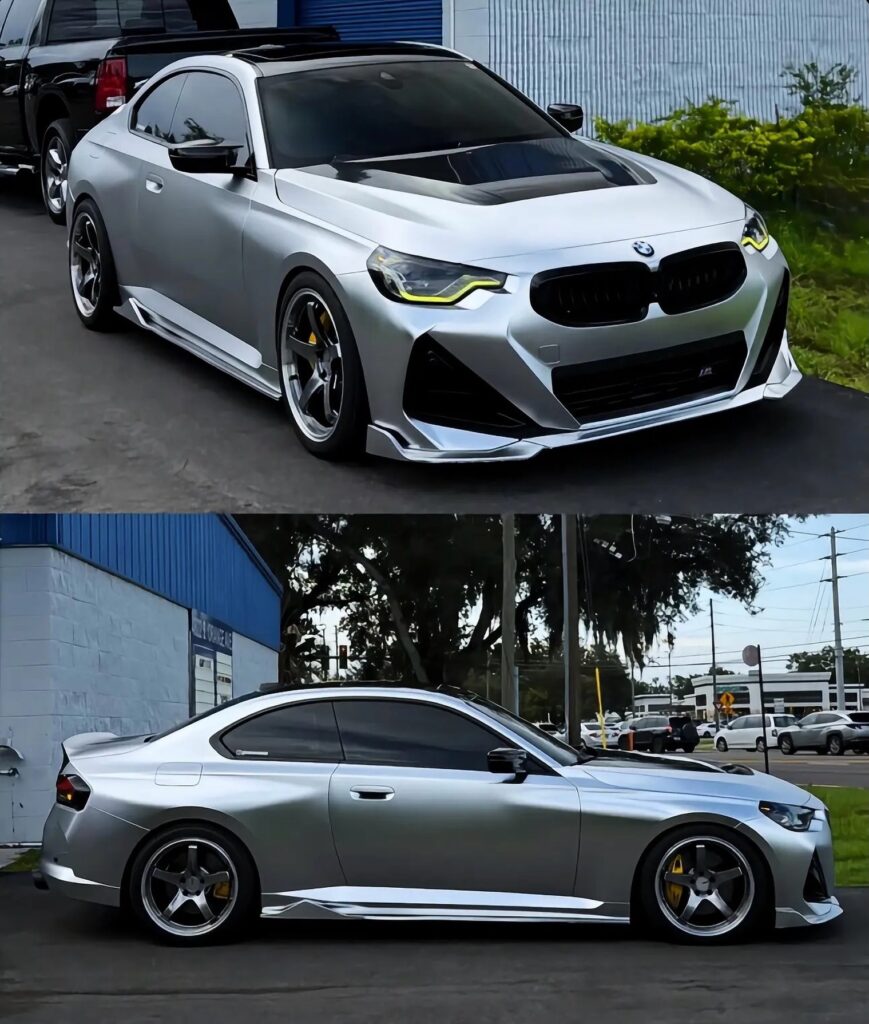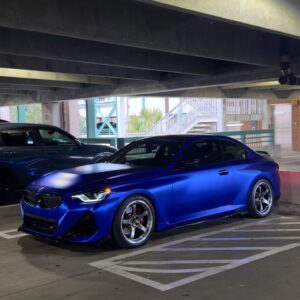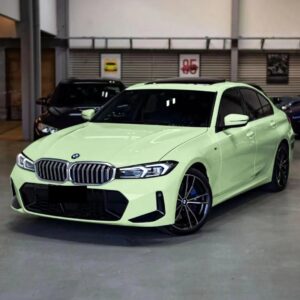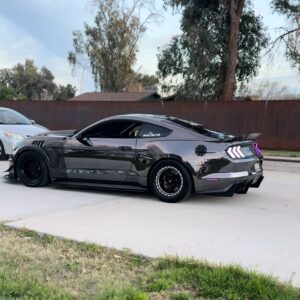
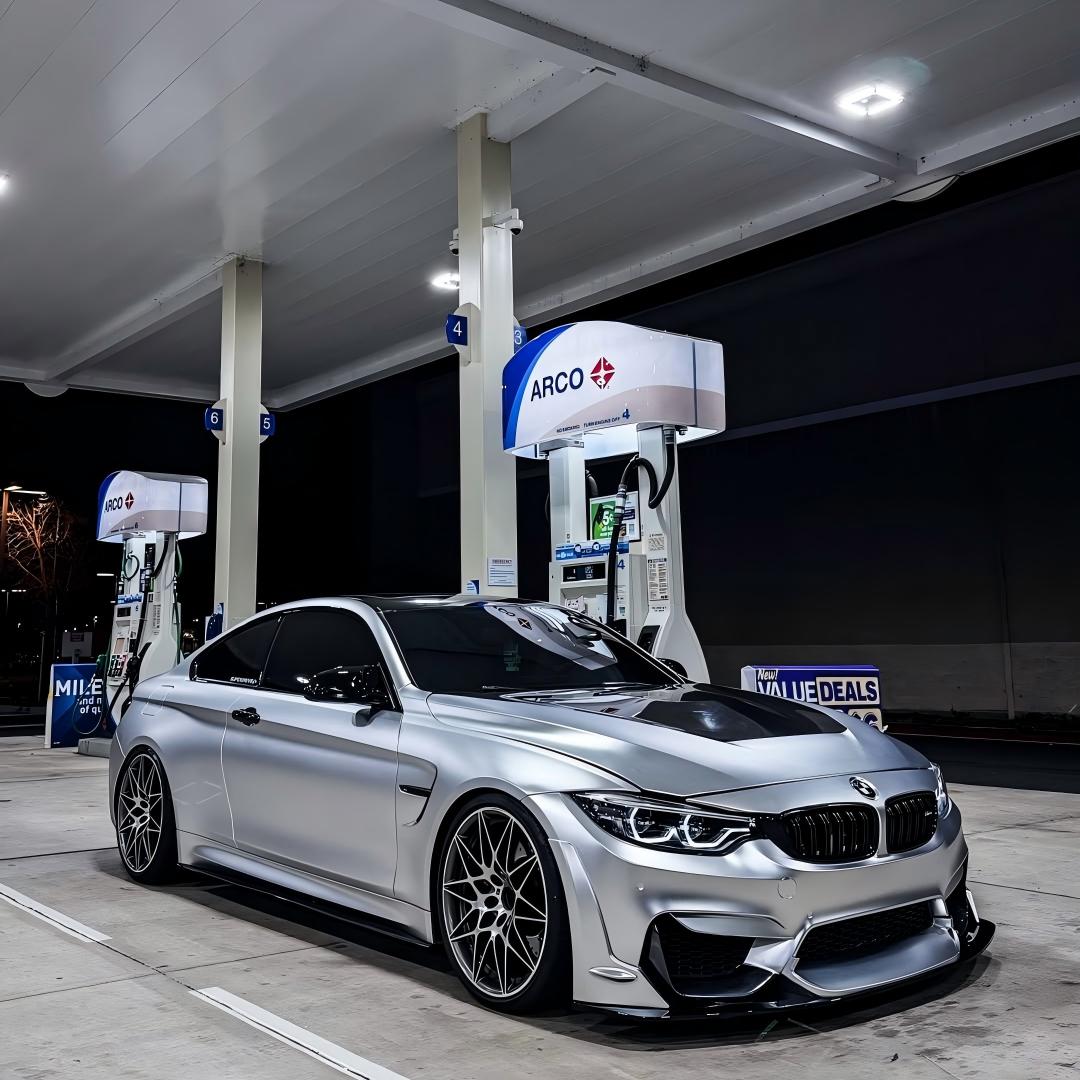
Satin chrome wrap is one of the most distinctive finishes available for vehicle customization. It combines the metallic impact of chrome with a softer satin surface, creating a finish that looks more refined than mirror chrome while remaining much more dramatic than conventional satin vinyl.
But that unique appearance comes with an important trade-off:
Satin chrome generally requires more careful installation and maintenance than conventional gloss, matte, or satin vehicle wrap.
So, how long does satin chrome wrap actually last?
How Long Does Satin Chrome Wrap Last?
A satin chrome wrap can typically remain visually attractive for around 2–3 years under normal use when it is professionally installed and properly maintained. However, actual service life varies significantly depending on the specific film, climate, UV exposure, installation quality, vehicle storage, panel orientation, and maintenance.
Cars stored indoors and driven moderately may keep the finish looking good longer. Vehicles exposed every day to intense sunlight, high temperatures, road contamination, or harsh washing may experience fading, surface deterioration, discoloration, or edge failure sooner.
Importantly, satin chrome should not automatically be expected to last as long as conventional gloss or satin wrap films.
For perspective, Avery Dennison lists up to 2 years of vertical durability for colored and matte Conform Chrome films in its technical documentation, while some conventional Supreme Wrapping Film products carry substantially longer published durability ratings depending on finish and exposure conditions.
That difference illustrates an important industry reality: highly specialized chrome-effect finishes trade some long-term durability for their distinctive appearance.
What Is Satin Chrome Wrap?
A satin chrome wrap combines characteristics of two popular automotive finishes:
Chrome provides strong metallic reflectivity and visual depth, while satin reduces the mirror-like glare and creates a softer, smoother sheen.
The result falls visually somewhere between traditional satin metallic vinyl and mirror chrome.
Instead of producing sharp mirror reflections, satin chrome creates a diffused metallic glow that changes noticeably depending on sunlight, viewing angle, and surrounding reflections.
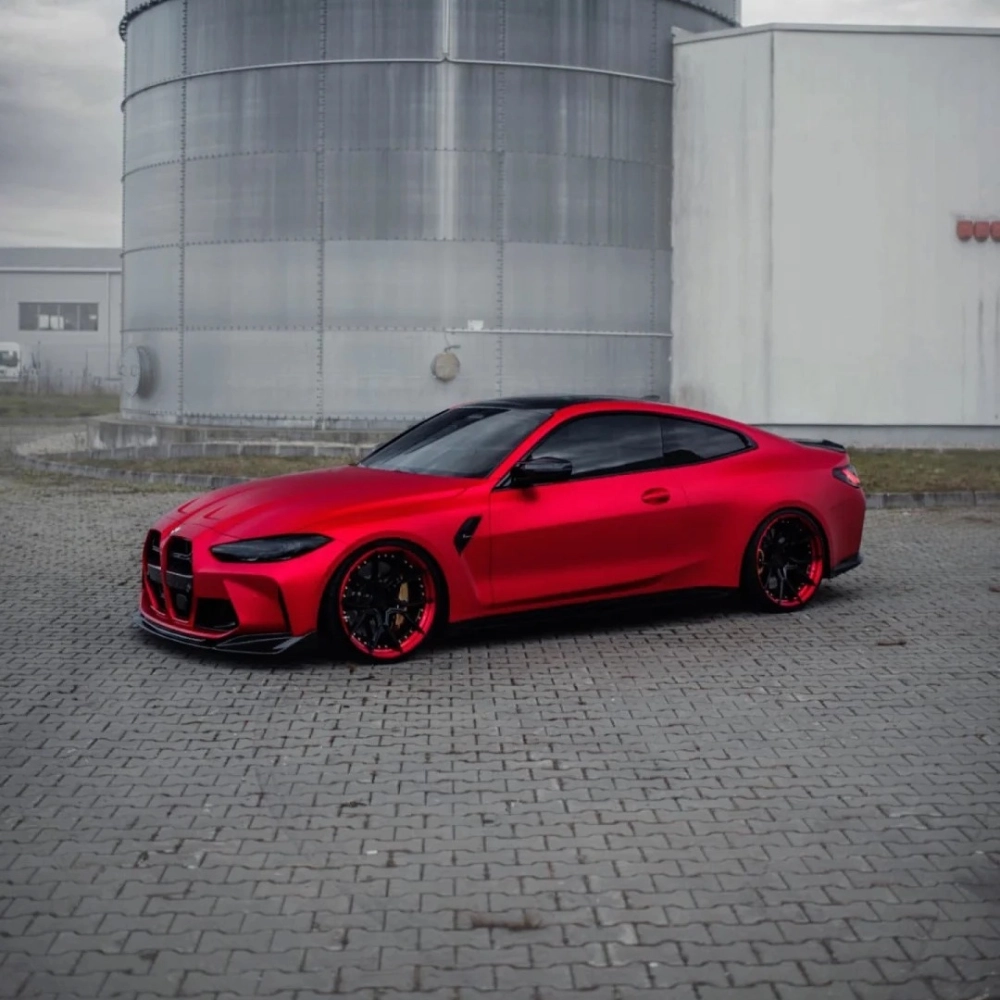
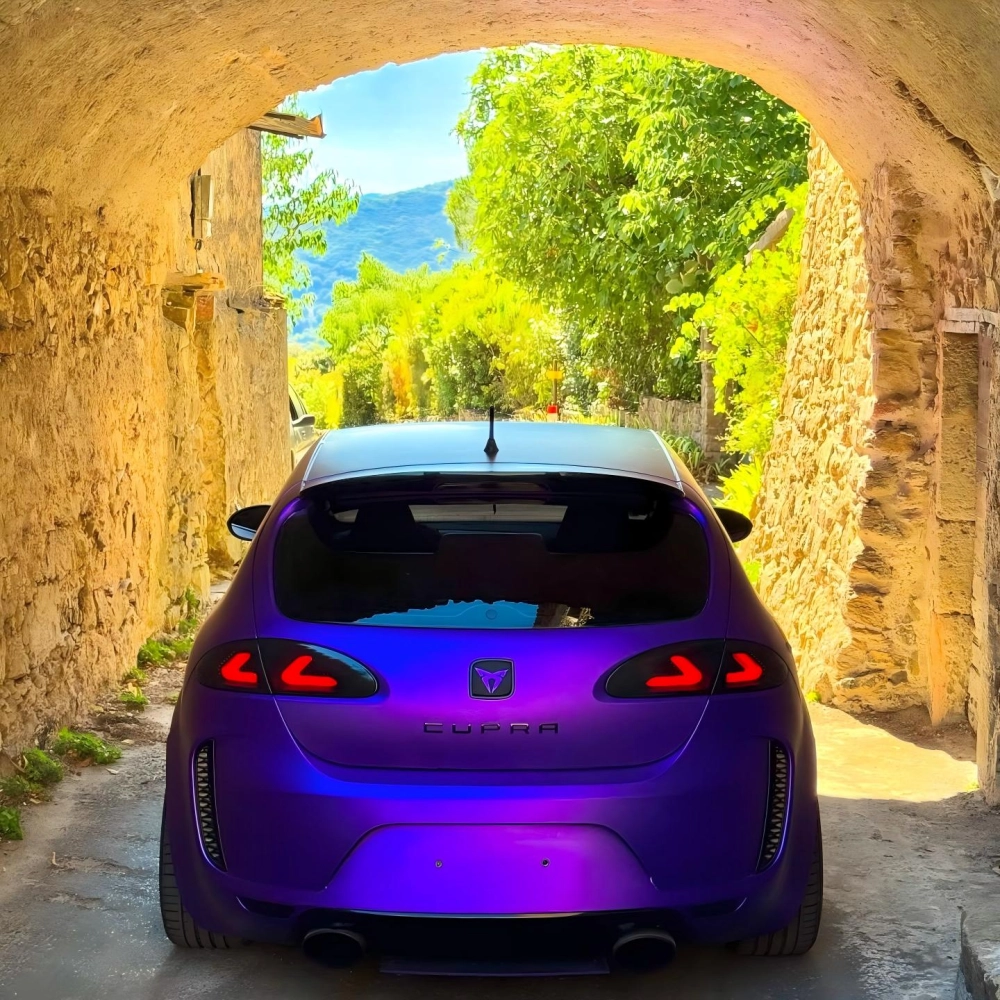
This makes colors such as satin chrome silver, red, blue, green, purple, and black especially effective on vehicles with pronounced body lines.
ALUKOVINYL’s satin chrome wrap collection includes finishes such as Satin Chrome Romanee Red, Satin Chrome Silver, Klein Blue, Purple, Lake Green, Gold Brown, and Copper Brown. The collection is designed to combine metallic visual impact with a softer satin appearance.
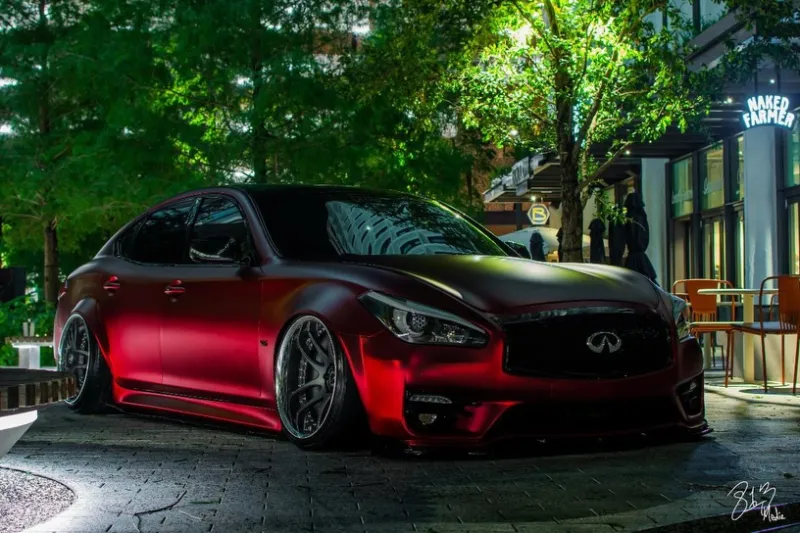
Why Does Satin Chrome Wrap Have a Shorter Lifespan?
One of the most important things buyers should understand is that satin chrome is a specialty finish.
It should not be evaluated using exactly the same expectations as conventional solid-color gloss vinyl.
Chrome-effect films rely on specialized surface structures and metallic visual layers to produce their characteristic appearance. These surfaces can be more sensitive to scratching, stretching, heat, environmental exposure, and installation technique.
Avery Dennison’s documentation provides a useful industry comparison. Its Conform Chrome technical data lists 3 years of vertical durability for Gloss Silver but 2 years for colors and matte finishes under stated European exposure conditions. Avery also notes that actual performance depends on factors including substrate preparation, exposure and maintenance.
By comparison, conventional vehicle wrapping films can carry much longer durability figures. Avery lists some Supreme Wrapping Film configurations at up to 12 years, with metallic variants listed at 5 years, although these figures should not be interpreted as guarantees that every installed vehicle will remain cosmetically perfect for that entire period.
The important takeaway is simple:
If maximum service life is your first priority, a conventional gloss, satin, or matte wrap may be a better choice. If distinctive metallic appearance is your priority, satin chrome offers a visual effect that conventional vinyl cannot easily reproduce.
Satin Chrome vs. Regular Vinyl Wrap Lifespan
The exact numbers vary by manufacturer, film construction, climate, installation and exposure, so there is no universal lifespan applicable to every product.
However, the general relationship looks like this:
| Wrap Finish | Typical Durability Expectation | Maintenance Sensitivity | Visual Impact |
|---|---|---|---|
| Conventional Gloss | Longer | Low–Moderate | Classic |
| Conventional Satin | Longer | Moderate | Premium |
| Matte | Moderate–Long | Moderate | Stealth |
| Metallic | Moderate–Long | Moderate | High |
| Satin Chrome | Shorter | High | Very High |
| Mirror Chrome | Shorter | Very High | Extreme |
This is why shoppers should be cautious when a seller claims that every type of vinyl wrap has exactly the same lifespan.
Different film constructions behave differently.
For example, 3M states that some Wrap Film 2080 products can have warranty periods of up to 8 years for vertical exposure and 3 years for horizontal exposure, depending on the product and installation.
Chrome materials tell a different story. Avery’s published Conform Chrome figures are considerably shorter for certain finishes.
Warranty, published durability and real-world cosmetic lifespan are also not interchangeable terms. A wrap can technically remain adhered while its appearance has already deteriorated enough that an enthusiast wants to replace it.
7 Factors That Determine How Long Satin Chrome Wrap Lasts
1. UV Exposure
Sunlight is one of the biggest enemies of automotive vinyl.
UV radiation and heat gradually affect pigments, surface coatings, adhesives, and the appearance of the film.
A car parked outside every day in Arizona, Nevada, Southern California, Texas, or Florida should not be expected to age exactly like the same wrapped vehicle stored in a garage in a cooler climate.
Avery specifically notes that vinyl left exposed to contaminants, UV light, and heat can degrade and recommends parking wrapped vehicles in shade or under cover whenever possible.
This makes storage one of the simplest ways to extend the useful life of satin chrome.
Best practice:
Garage the vehicle whenever possible.
If a garage is unavailable, covered parking can significantly reduce continuous UV and heat exposure.
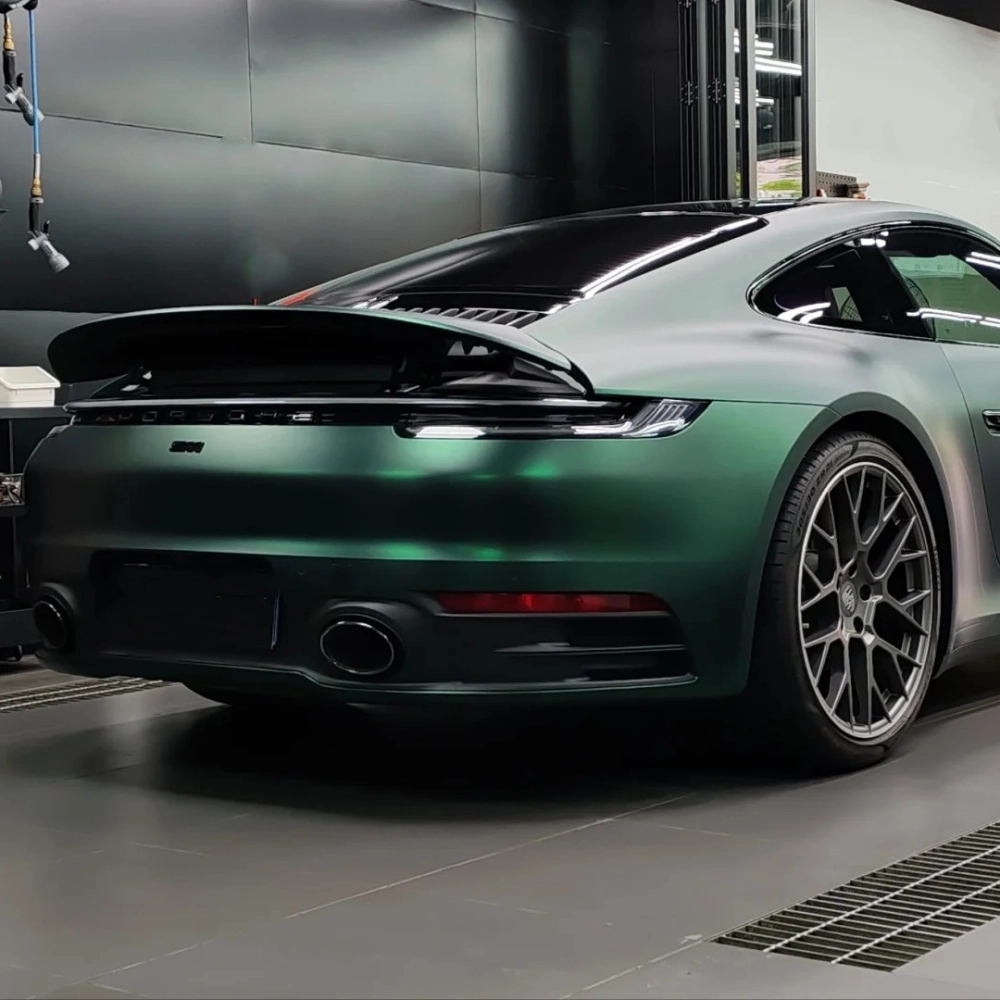
2. Horizontal vs. Vertical Panels
Not every part of a wrapped vehicle ages at the same rate.
This is frequently overlooked.
A hood or roof receives much more direct sunlight than a door panel.
3M explicitly distinguishes between vertical and horizontal exposure when discussing vehicle-wrap warranty periods. Its documentation defines vertical surfaces differently from non-vertical surfaces such as hoods and roofs because exposure angle influences durability.
That means you may eventually see deterioration first on:
- Hood
- Roof
- Trunk lid
- Upper sections of bumpers
while vertical door panels and quarter panels still look relatively fresh.
For satin chrome, this difference can become particularly important because changes in metallic appearance may be more noticeable than on a conventional solid-color vinyl.
3. Installation Quality
Even premium vinyl cannot compensate for poor installation.
Incorrect installation may result in:
- lifting edges;
- overstretched sections;
- distorted metallic appearance;
- adhesive failure;
- wrinkles;
- discoloration;
- premature cracking.
Satin chrome requires particular attention because excessive stretching can change the appearance of the metallic finish.
Installers should therefore avoid treating satin chrome exactly like a highly conformable conventional gloss film.
Professional installation tip
Use controlled heat and stretch only as much as necessary.
Whenever possible, reposition the film rather than aggressively stretching it into complex recesses.
This is especially important around bumpers, mirrors, deep channels, and compound curves.
4. Excessive Heat During Installation
Heat is necessary during vinyl installation—but more heat is not automatically better.
Specialty chrome-effect materials can react differently to aggressive heating than standard gloss vinyl.
Too much heat combined with excessive stretching may alter the film’s color, metallic orientation, or surface appearance.
For satin chrome installations, installers should therefore work gradually and follow the temperature and post-heating instructions provided for the specific product being installed.
ALUKOVINYL installation recommendation
Because satin chrome is a specialty material:
Do not overstretch or overheat the film. Excessive heat or tension may cause visible color changes.
After heating, allow the material to cool briefly before applying strong squeegee pressure.
5. Washing Method
A poorly maintained wrap can age much faster than a properly maintained one.
Avery Dennison recommends regular cleaning and warns that accumulated dirt, grime and contaminants can contribute to premature degradation, particularly when combined with UV and heat.
Chrome finishes deserve even more caution.
Avery’s vehicle-wrap cleaning documentation specifically advises extra care when cleaning chrome film. It recommends soft microfiber or chamois materials, avoiding brushes and abrasive products that may scratch the surface.
Best washing method for satin chrome:
Use a gentle hand wash with clean microfiber mitts and a mild automotive shampoo.
Avoid aggressive brushes, abrasive compounds and harsh chemicals.
Remove bird droppings, bugs, tree sap and road contaminants as quickly as possible rather than allowing them to remain on the film.
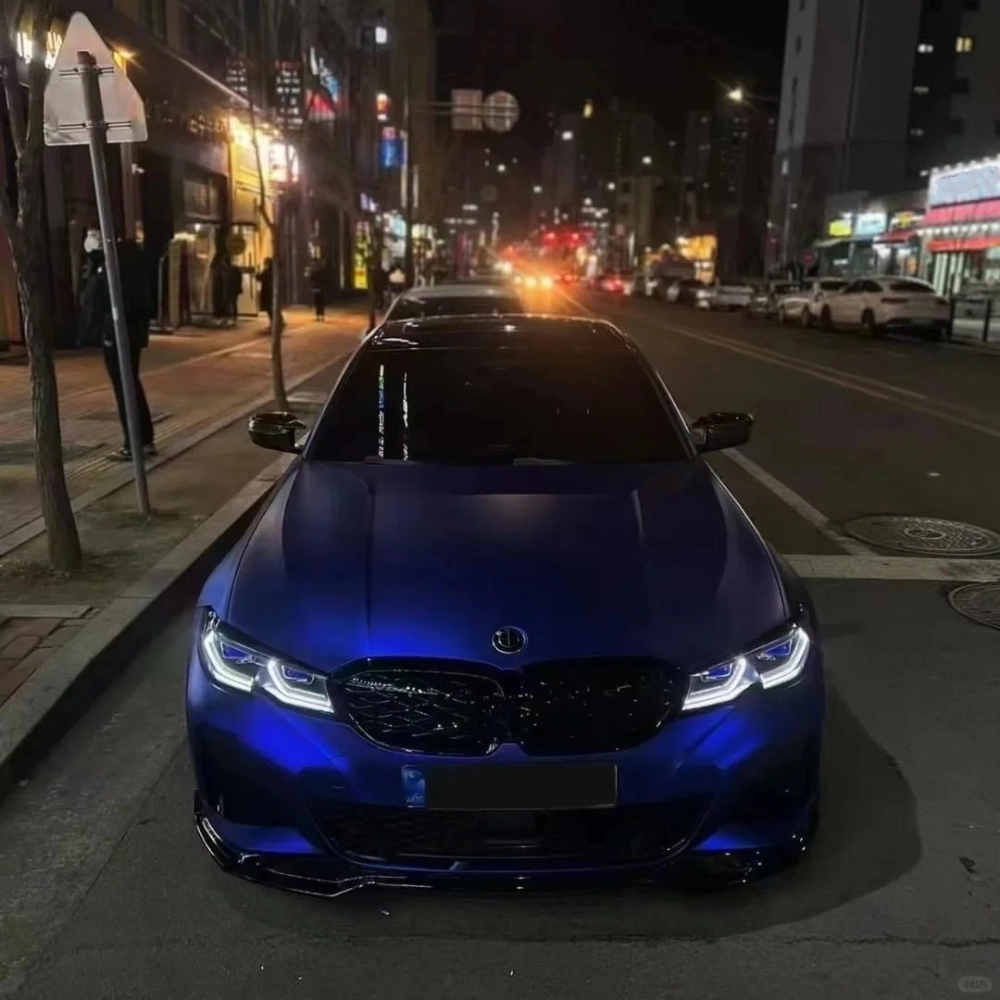
6. Environmental Contaminants
Vinyl doesn’t only have to survive sunlight.
A daily-driven vehicle encounters:
- bird droppings;
- insects;
- tree sap;
- road salt;
- brake dust;
- fuel residue;
- industrial pollution;
- dirt and mud.
Some contaminants can stain or chemically attack the surface when left for long periods.
Avery recommends removing contaminants such as bird droppings, insects, tree sap and road tar promptly rather than waiting until the next scheduled wash.
For satin chrome, quick cleaning is particularly worthwhile because stains and surface imperfections are often more noticeable across its uniform metallic sheen.
7. How Often the Vehicle Is Driven
There is a major difference between a weekend show car and a daily commuter.
Consider two identical cars wrapped with the same satin chrome material.
Car A: Weekend Vehicle
Stored in a garage, driven primarily on weekends, hand washed and rarely parked outdoors for extended periods.
Its satin chrome finish may remain attractive considerably longer.
Car B: Daily Driver
Parked outdoors every day, driven 15,000 miles per year, frequently exposed to intense sun, rain, insects, road debris and automatic car washes.
Its hood and roof may begin showing visible aging much sooner.
The material is identical.
The environment isn’t.
This is why quoting a single lifespan without discussing vehicle usage can be misleading.
How to Make Satin Chrome Wrap Last Longer
Proper care can significantly influence how long your wrap continues to look its best.
1. Park Indoors Whenever Possible
Reducing UV and heat exposure is one of the highest-impact changes you can make.
Even covered parking is preferable to leaving the vehicle in direct sunlight every day.
2. Wash the Vehicle Regularly
Don’t allow road film and contaminants to accumulate.
Avery’s maintenance guidance recommends regular cleaning and notes that maintenance frequency should increase depending on conditions.
3. Use Microfiber Towels
Satin chrome surfaces can show scratches.
Use clean, high-quality microfiber towels and avoid aggressive scrubbing.
4. Remove Contaminants Quickly
Bird droppings, bugs, tree sap and similar contaminants should be cleaned promptly.
5. Avoid Abrasive Polishing
Traditional paint compounds and aggressive polishes should not automatically be used on vinyl.
They can alter the satin texture and create uneven glossy patches.
6. Avoid Excessive Installation Stretch
The more aggressively a specialty metallic film is stretched, the greater the risk of visual distortion.
Experienced installers should use strategic seams or inlays when necessary instead of forcing excessive conformity.
7. Consider Replacing High-Exposure Panels Earlier
Sometimes the hood or roof ages faster while the doors and side panels remain in excellent condition.
In that situation, replacing individual panels may be more economical than immediately rewrapping the entire vehicle.
Signs Your Satin Chrome Wrap Is Reaching the End of Its Life
A wrap doesn’t suddenly become unusable on its anniversary.
Instead, deterioration usually appears progressively.
Watch for:
- noticeable fading;
- uneven metallic appearance;
- permanent staining;
- cracking;
- edge lifting;
- excessive scratches;
- discoloration;
- loss of the original satin effect;
- adhesive deterioration.
Avery recommends contacting an installer when a wrap begins showing signs such as loss of gloss, discoloration, cracking, crazing or film degradation.
Early removal is often preferable to leaving heavily deteriorated vinyl on a vehicle indefinitely.
Pros and Cons of Satin Chrome Wrap
Pros
Premium Metallic Appearance
The biggest advantage is visual.
Satin chrome delivers a metallic depth that conventional satin vinyl struggles to reproduce.
Less Reflective Than Mirror Chrome
For owners who like chrome but find full mirror chrome too extreme, satin chrome provides a more sophisticated alternative.
Highlights Vehicle Body Lines
The controlled metallic reflection emphasizes curves, creases and aerodynamic surfaces particularly well.
Reversible Customization
Unlike repainting, vinyl allows the vehicle’s appearance to be changed again later while also providing a sacrificial layer over the original painted surface against minor environmental exposure.
Wide Color Selection
Modern satin chrome wraps are no longer limited to silver.
ALUKOVINYL currently offers satin/chrome-effect options across silver, red, blue, purple, green, black and brown-family finishes.
Cons
Shorter Expected Lifespan
Specialty chrome finishes generally shouldn’t be expected to match the durability of the longest-lasting conventional wrapping films.
More Sensitive to Installation
Excessive stretching and heat can affect appearance.
More Maintenance Required
Scratches, stains and improper cleaning can be more visible.
Horizontal Panels Can Age Faster
Roofs and hoods receive significantly more environmental exposure than vertical panels.
Higher Skill Requirement
Complex curves require careful planning, making professional installation particularly valuable.
Satin Chrome vs. Satin Vinyl: Which Should You Choose?
Choose satin chrome if your priorities are:
visual impact → metallic depth → exclusivity → show-car appearance.
Choose conventional satin vinyl if your priorities are:
maximum practicality → easier installation → simpler maintenance → potentially longer service life.
Neither option is universally better.
They solve different problems.
A daily driver parked outdoors in a very hot climate may benefit from conventional satin vinyl.
A garage-kept sports car where appearance is the priority may be an excellent candidate for satin chrome.
Is Satin Chrome Worth It If It Doesn’t Last as Long?
For many enthusiasts, yes.
Vehicle wrapping isn’t always about achieving the maximum possible number of years from one material.
It’s also about creating an appearance that paint or conventional vinyl cannot easily reproduce.
Think of satin chrome as a specialty automotive finish rather than a standard economy color-change film.
The trade-off is straightforward:
You sacrifice some durability and ease of maintenance in exchange for a much more distinctive metallic appearance.
For enthusiasts who regularly change their vehicle’s style every few years anyway, that can be a perfectly reasonable compromise.
Satin Chrome Wrap Care Checklist
To maximize your satin chrome wrap lifespan:
- Park indoors or under cover whenever possible.
- Minimize prolonged exposure to intense sunlight.
- Hand wash using mild automotive soap.
- Use clean microfiber towels.
- Avoid abrasive brushes and polishing compounds.
- Remove bird droppings, insects and tree sap quickly.
- Do not overstretch the vinyl during installation.
- Avoid excessive installation heat.
- Allow heated areas to cool before aggressive squeegee pressure.
- Inspect hood, roof and edges regularly.
- Follow the specific care instructions for the film you purchase.
These habits cannot stop vinyl from aging, but they can substantially reduce avoidable deterioration.
Frequently Asked Questions About Satin Chrome Wrap
How long does satin chrome wrap last?
A realistic planning range for many satin chrome vehicle wraps is approximately 2–3 years of attractive service, although actual lifespan varies considerably with product construction, UV exposure, climate, installation, maintenance and storage. Manufacturer specifications should always take priority for the exact film being used.
Does satin chrome wrap last as long as regular vinyl?
Generally, you should not assume that it will.
Specialty chrome finishes can have shorter published durability than conventional vehicle wrap films. Avery, for example, publishes 2-year vertical durability for colored and matte Conform Chrome under its stated conditions, while several conventional wrapping films have considerably longer published durability figures.
Does satin chrome fade?
It can.
Like other exterior automotive films, prolonged UV exposure, heat and environmental contamination can gradually affect the finish.
Can satin chrome wrap last 5 years?
It is possible for some specialty wraps to remain installed for extended periods under favorable conditions, but 5 years should not be presented as a universal expectation for satin chrome.
Check the technical specifications of the exact product and consider your climate and storage conditions.
Does parking in a garage extend wrap life?
Yes. Reducing exposure to UV radiation, heat and contaminants can help preserve vinyl appearance. Avery specifically recommends shade or covered parking whenever possible.
Can I pressure wash satin chrome wrap?
Gentle hand washing is generally the safer choice for specialty finishes.
If pressure washing is permitted by the specific film manufacturer, maintain appropriate pressure, distance and spray angle and avoid concentrating water directly at seams or edges.
Can satin chrome wrap protect paint?
Vinyl creates a physical layer between the paint and minor environmental contamination and light surface contact. However, vinyl wrap is not a substitute for paint protection film (PPF) when impact protection from stone chips and road debris is the primary objective.
Is satin chrome difficult to install?
It can be more demanding than conventional vinyl.
The metallic appearance makes overstretching and inconsistent tension easier to notice, so experience with specialty films is beneficial.
Final Verdict: How Long Should You Expect Satin Chrome Wrap to Last?
For planning purposes, around 2–3 years is a reasonable expectation for many satin chrome applications when properly installed and maintained, but there is no universal lifespan that applies to every satin chrome product.
More important than the number itself is understanding what controls it.
UV exposure, horizontal panel orientation, climate, installation technique, heat, stretching, cleaning habits and vehicle storage can all dramatically influence the result.
Industry documentation supports treating specialty chrome differently from conventional wrap films. Avery’s Conform Chrome technical sheet lists shorter durability for colored and matte chrome finishes than the published durability of many conventional wrapping films. 3M likewise emphasizes that exposure angle, environmental conditions, cleaning and storage affect wrap durability.
If your number-one priority is the longest possible service life, choose a conventional high-quality gloss, matte or satin vinyl.
But if your priority is a distinctive metallic finish that sits between subtle satin and dramatic mirror chrome, satin chrome remains one of the most visually striking choices available.