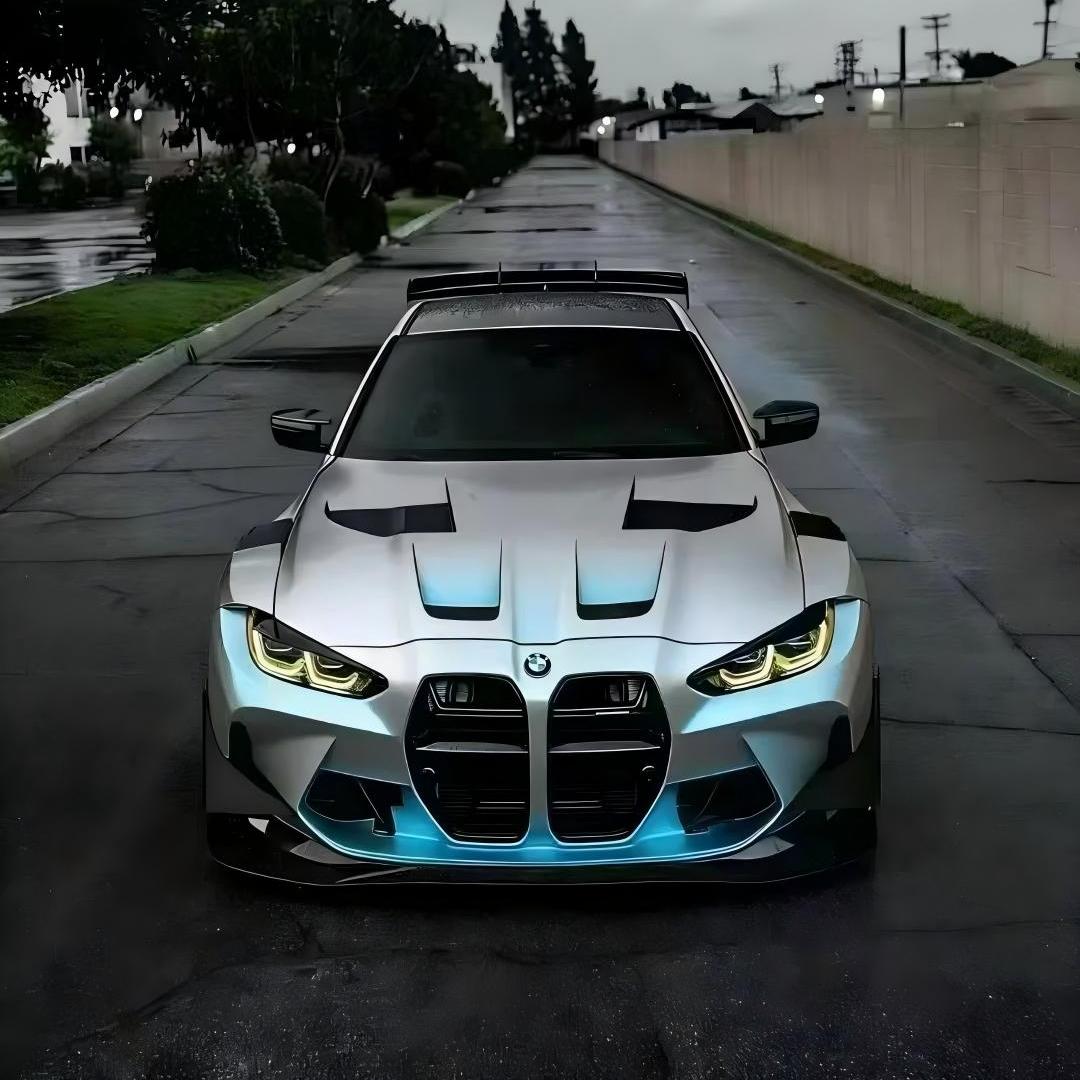
Featured Snippet: What Does a Color Changing Car Wrap Look Like?
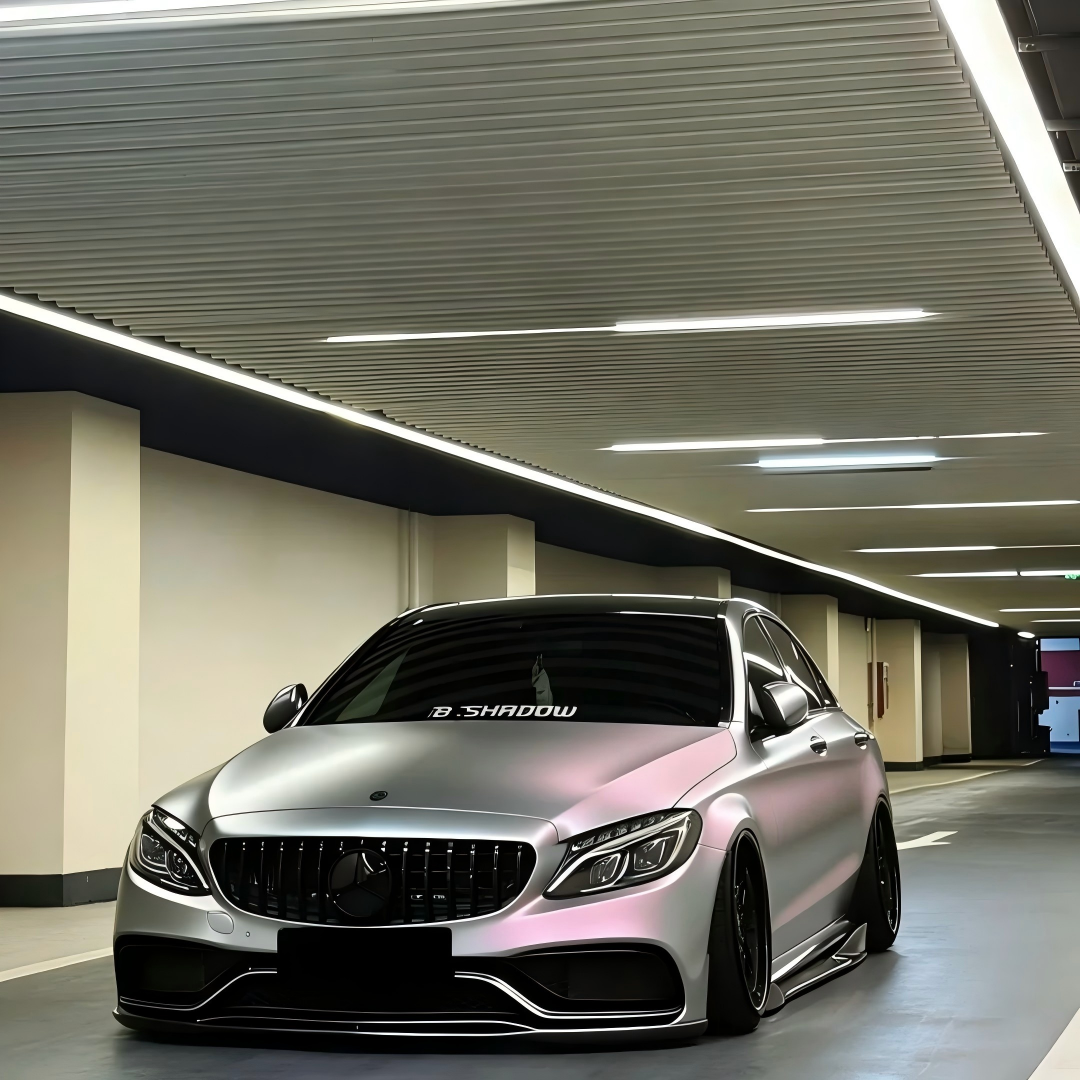
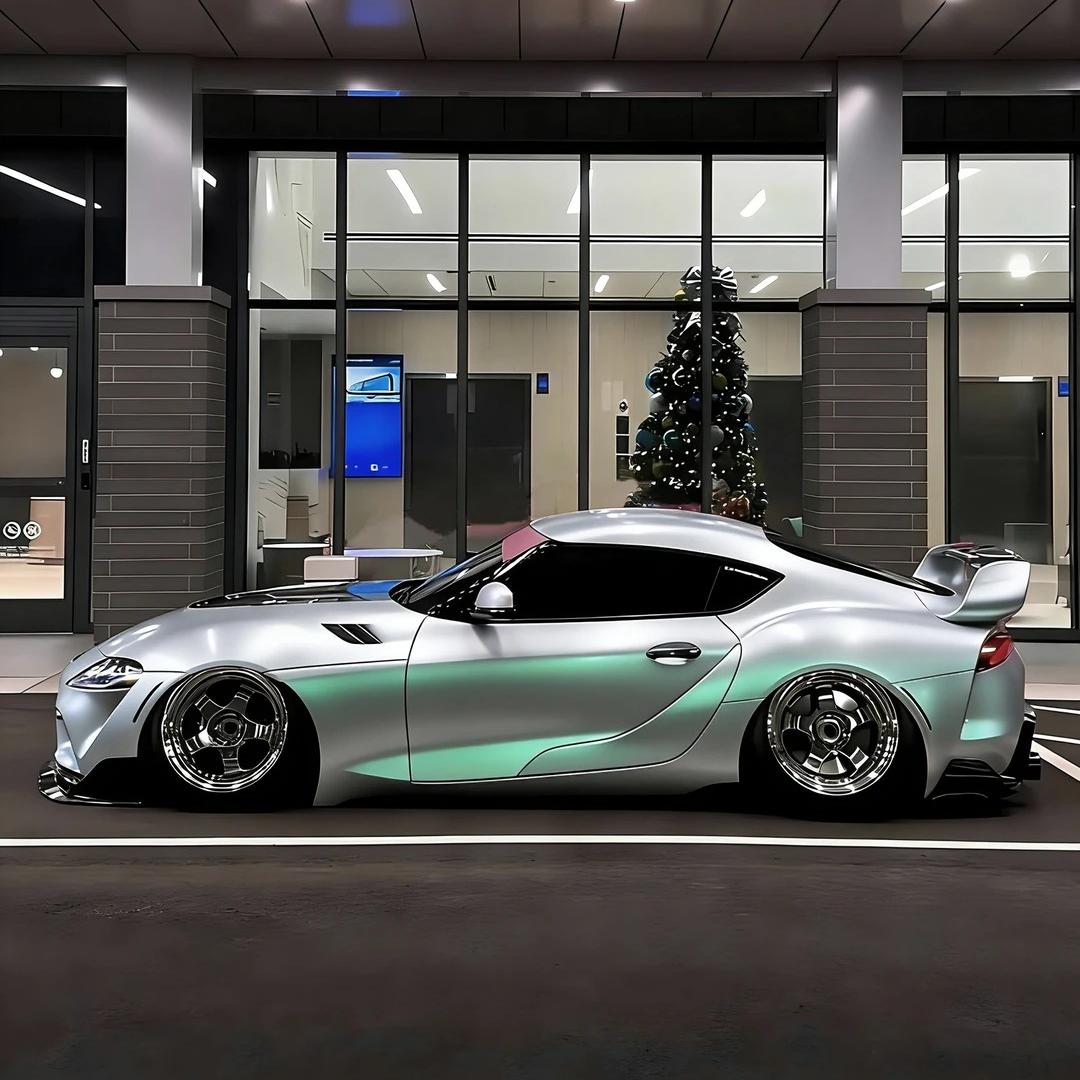
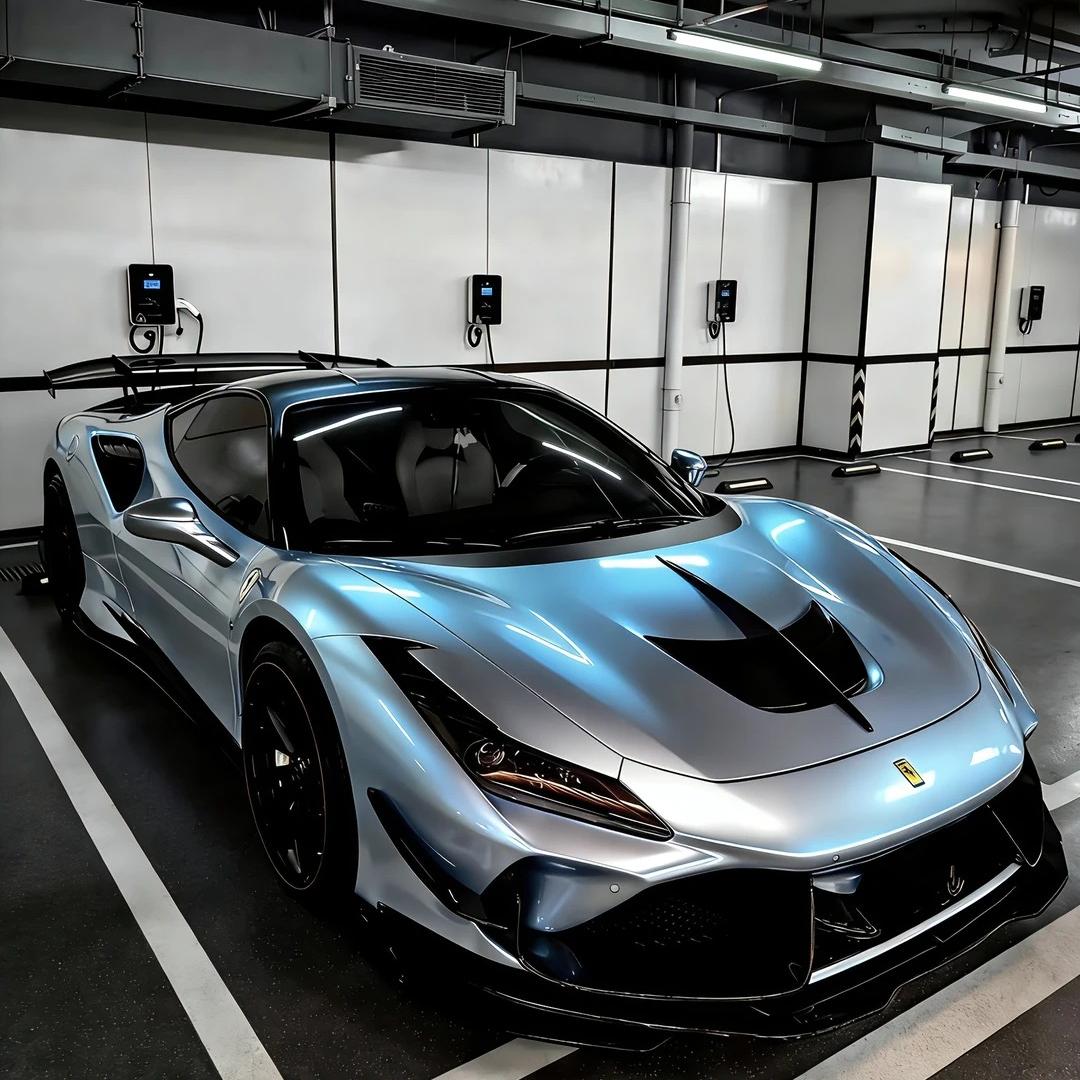
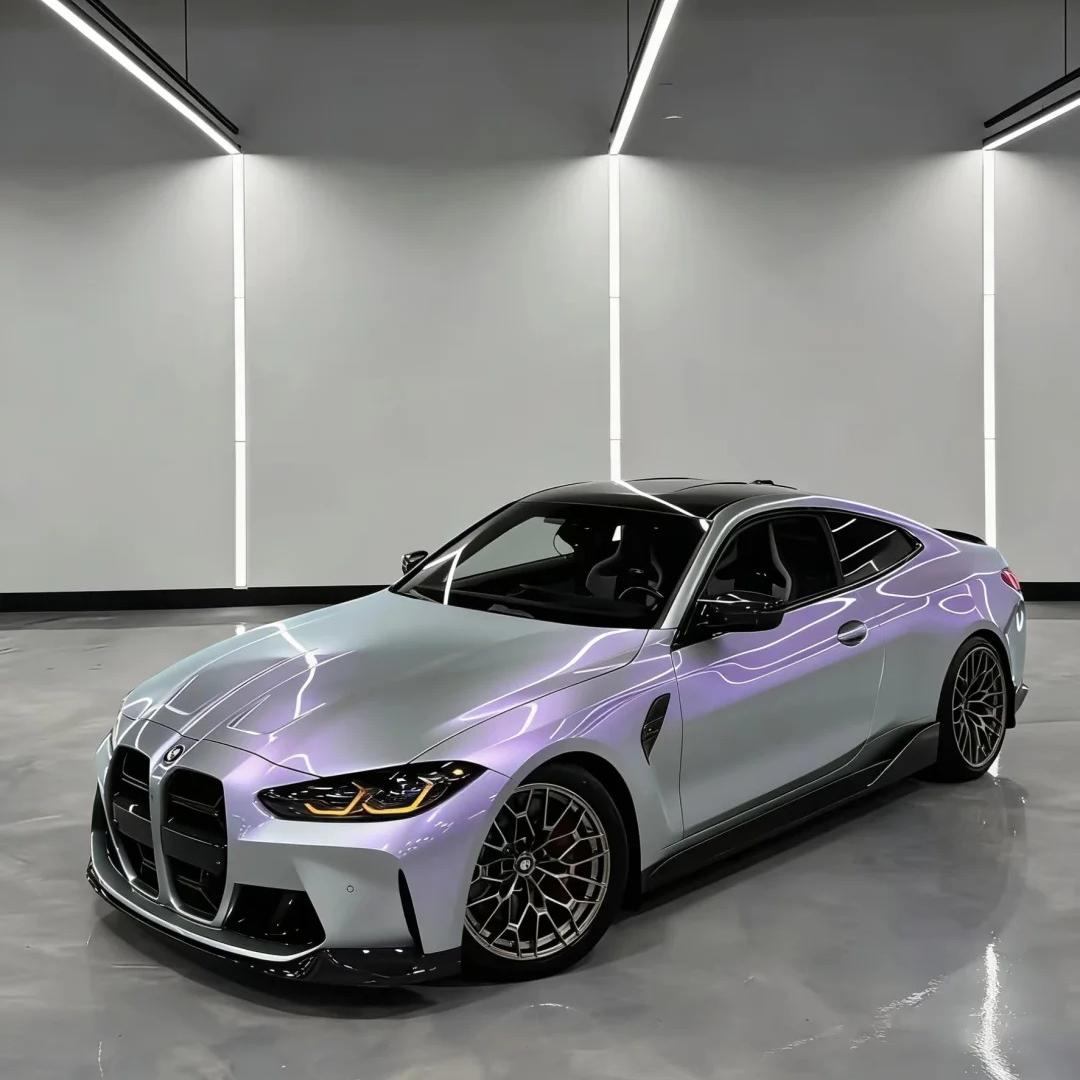
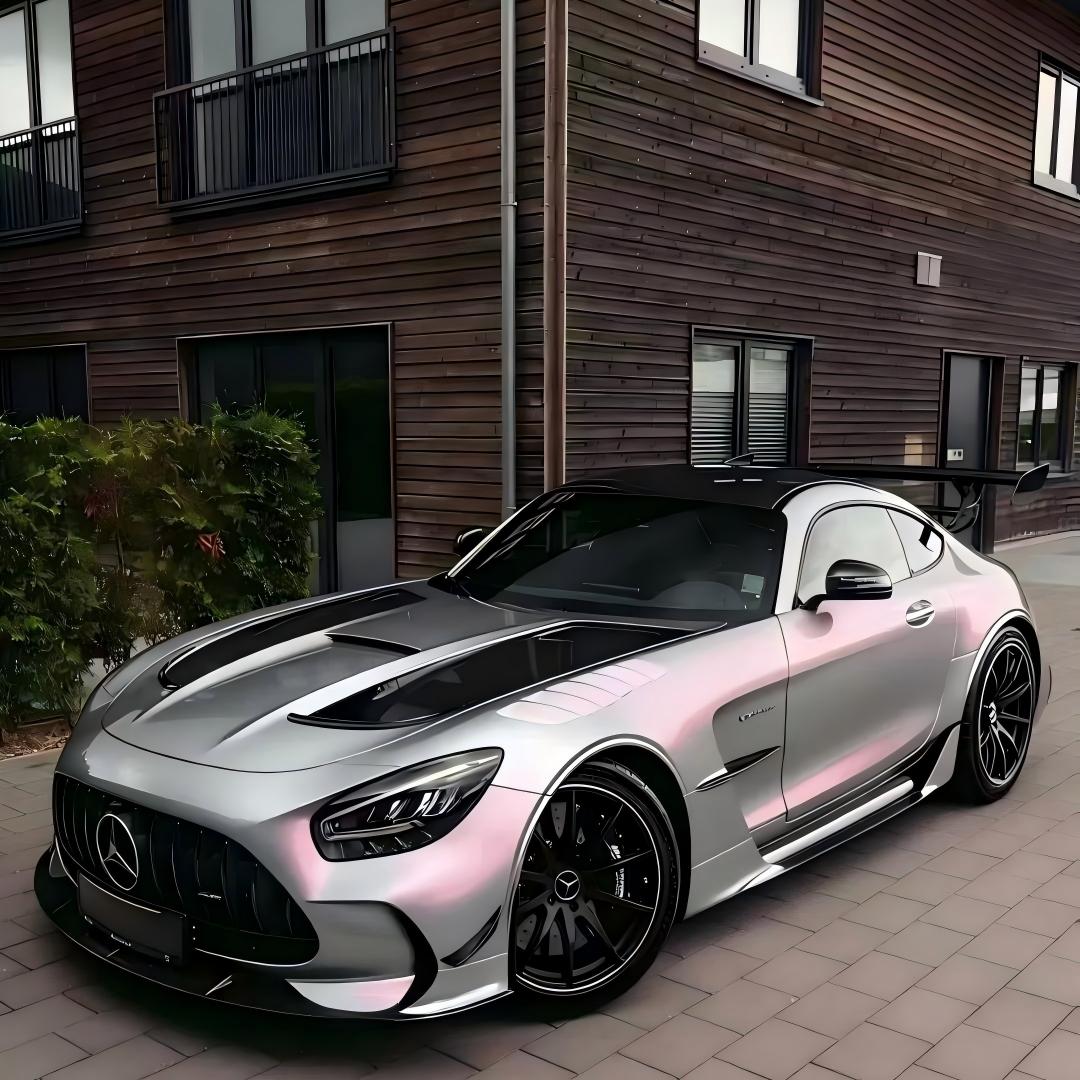
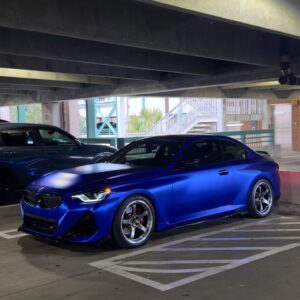
A color changing car wrap looks different depending on light, angle, body shape, and viewing distance. In sunlight, it may shift between blue, purple, green, gold, pink, silver, or red tones. In shade, it often appears deeper and more subtle. On curved panels, the color shift becomes stronger because reflections move across the vehicle’s body lines.
Why Color Changing Car Wraps Are So Popular
A color changing car wrap is one of the most eye-catching ways to transform a vehicle without repainting it. Unlike a standard single-color wrap, a color shift wrap changes appearance as the car moves. The finish reacts to sunlight, street lighting, cloudy weather, camera angles, and reflections from the surrounding environment.
This is why color changing wraps are popular with car enthusiasts, show car owners, content creators, performance builds, EV owners, and drivers who want their vehicle to look unique from every angle. Instead of choosing one fixed color, you get a dynamic finish that can look blue from the front, purple from the side, and green or gold along the curves.
Vehicle wrap films are also becoming more mainstream because they offer personalization, paint protection, and reversibility. For many drivers, wrapping is more flexible than repainting because it allows bold finishes while helping preserve the original paint underneath when installed correctly.
How a Color Changing Car Wrap Looks in Real Life
The appearance of a color changing car wrap depends on three main factors: light source, viewing angle, and vehicle shape. Under direct sunlight, the color shift is usually the strongest. The film may show bright metallic or iridescent tones, making the car look vivid and futuristic.
Under cloudy skies, the wrap may appear darker and smoother. This is useful for daily driving because the car does not look overly bright all the time. At night, streetlights and headlights can create dramatic reflections, especially on gloss color shift finishes.
Body shape also matters. A flat hood may show a smoother color transition, while fenders, bumpers, doors, mirrors, and quarter panels can show multiple colors at once. Cars with sharp lines and wide curves often display the strongest visual effect.
For example, an ALUKOVINYL gloss chameleon grey blue wrap may appear grey-blue from one angle, deeper blue from another angle, and metallic under brighter light. This type of finish gives the car a premium custom look while still being practical enough for daily use.
Why Choose ALUKOVINYL Color Changing Wrap?
ALUKOVINYL offers a dedicated chameleon and color shift wrap collection for drivers who want a dramatic transformation. The collection includes finishes such as blue-purple, green-blue, gold-purple, diamond chameleon, rainbow chrome, holographic, and metallic color shift styles.
One of ALUKOVINYL’s major advantages is variety. Some buyers want a subtle color shift for a luxury sedan, while others want a bold iridescent wrap for a show car. ALUKOVINYL makes it easier to choose a finish that matches both the vehicle and the driver’s personality.
ALUKOVINYL product information also highlights useful installation and performance features, including air-release technology, dry application, smooth vehicle compatibility, and expected durability on selected wrap products. For shoppers comparing wrap brands, this transparency helps them understand not just how the wrap looks, but how it may perform during installation and daily use.
Recommended internal links:
Pros and Cons of Color Changing Car Wrap
Pros
- Unique appearance: A color changing car wrap creates a dynamic finish that looks different from every angle.
- Reversible customization: It gives drivers a bold color transformation without permanent repainting.
- Paint protection: A properly installed wrap can help protect original paint from light scratches, dust, sun exposure, and daily wear.
- Strong visual impact: Color shift finishes are ideal for car meets, social media, promotional vehicles, and show builds.
- Multiple finish options: Buyers can choose gloss, satin, metallic, holographic, chrome, or chameleon-style effects.
Cons
- More installation-sensitive: Color shift wraps can reveal stretch marks, poor alignment, bubbles, or uneven heating more easily than basic gloss wraps.
- Directional appearance: Some films must be installed in the same direction across panels to maintain consistent color flow.
- Professional installation recommended: Full wraps, bumpers, mirrors, and deep curves are best handled by experienced installers.
- Bold style preference: A color changing car wrap may be too expressive for drivers who prefer factory-style colors.
- Maintenance matters: Harsh chemicals, automatic brush washes, and poor aftercare can reduce gloss and shorten wrap life.
Authority Comparison: ALUKOVINYL vs Other Leading Wrap Brands
Several established brands are well known in the vehicle wrap industry. 3M Wrap Film Series 2080 is recognized for Controltac and Comply technologies that support repositioning and air release. Avery Dennison Supreme Wrapping Film is known for Easy Apply RS adhesive technology, conformability, and professional installation performance. KPMF is also respected for its color-change and iridescent vehicle wrap options.
ALUKOVINYL competes with a strong focus on color variety, trend responsiveness, accessible pricing, and specialty finishes. For customers searching specifically for a color changing car wrap, ALUKOVINYL offers a broad range of chameleon, rainbow, chrome, holographic, and metallic shift options that are visually attractive and suitable for many types of vehicles.
The advantage of ALUKOVINYL is its balance of style, value, and choice. The brand is especially appealing for drivers who want a unique color shift effect without being limited to traditional factory-like colors. The practical limitation is that specialty finishes require careful installation, so full vehicle projects should be installed by professionals or experienced DIY wrappers.
Keyword Layout for SEO
Primary keyword: color changing car wrap
Supporting keywords: color shift wrap, chameleon car wrap, color changing vinyl wrap, iridescent car wrap, gloss color shift wrap, best color changing car wrap, car vinyl wrap
Recommended keyword placement:
- Use “color changing car wrap” in the SEO title, H1, first paragraph, Featured Snippet answer, one H2, FAQ, and CTA.
- Use “color shift wrap” and “chameleon car wrap” naturally in product explanation sections.
- Use descriptive image alt text such as “color changing car wrap on sports car” or “ALUKOVINYL chameleon color shift wrap under sunlight.”
- Include commercial-intent phrases such as “shop color changing car wrap” and “best color changing vinyl wrap for cars.”
Which Vehicles Look Best with Color Changing Car Wrap?
Sports Cars and Coupes
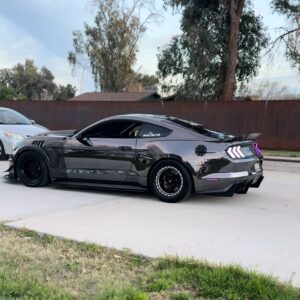
Sports cars are one of the best matches for color changing wraps because they usually have sharp curves, aggressive fenders, low profiles, and dramatic lighting surfaces. A blue-purple or green-purple chameleon wrap can make a coupe look faster and more exotic.
Best examples: Toyota Supra, Nissan Z, Nissan GT-R, Ford Mustang, Chevrolet Camaro, Porsche 911, BMW M4, Audi TT.
EVs and Modern Sedans
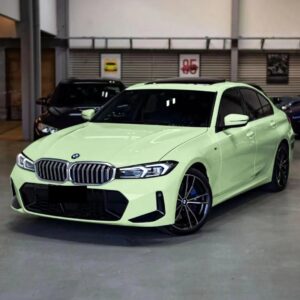
Electric vehicles and modern sedans pair well with color shift finishes because their smooth body panels create clean, futuristic reflections. A grey-blue, white-purple, or silver-purple shift can make an EV look more advanced without being overly loud.
Best examples: Tesla Model 3, Tesla Model Y, Porsche Taycan, Hyundai Ioniq 5, BMW i4, Mercedes EQE, Audi e-tron GT.
SUVs and Crossovers
SUVs have large body panels, which means the color shift effect can look bold and highly visible. Darker color shift wraps can give SUVs a premium custom look, while brighter chameleon colors work well for lifestyle or promotional builds.
Best examples: Range Rover, BMW X5, Mercedes GLE, Toyota RAV4, Honda CR-V, Ford Bronco, Porsche Cayenne, Tesla Model X.
Show Cars and Promotional Vehicles
If visibility is the goal, a color changing car wrap is one of the best choices. It photographs well, catches attention at events, and makes a vehicle memorable for branding or content creation.
Best examples: show cars, influencer vehicles, promotional fleets, event cars, drift cars, tuner builds, compact hatchbacks.
Installation Case Study: How to Check the Look Before a Full Wrap
Before applying a color changing car wrap to a full vehicle, test the film on a smaller panel. A 60 cm x 60 cm hood, fender, door, or mirror section is enough to evaluate the color shift effect in real conditions.
First, wash the panel thoroughly, clay the surface, remove tar or iron contamination if needed, and wipe with 70% isopropyl alcohol. The surface should be smooth, dry, and free of wax, ceramic coating residue, peeling paint, or rust.
Next, place the film on the panel without full pressure and check the color direction under natural light. Look at the film from the front, side, and low angle. If the color shift direction matters, mark the orientation before cutting panels for the full vehicle.
During installation, anchor the center and squeegee outward with overlapping strokes. Use heat carefully around curves and edges, but avoid overstretching. Excessive stretching can reduce gloss, distort the color transition, or create uneven reflections.
After installation, post-heat edges and recessed areas according to professional wrap practice. Let the test panel rest indoors for 24 hours. Then inspect the panel after 7, 14, and 30 days for edge lift, bubbles, color consistency, gloss retention, cleaning response, and adhesive movement.
Quality Parameters to Check Before Buying
When choosing a color changing car wrap, do not rely only on product photos. Photos are useful, but the real appearance depends on lighting and surface shape. Ask about practical quality details before buying.
- Film thickness: A consistent film thickness helps support predictable installation and handling.
- Adhesive type: Repositionable and slideable adhesive can make alignment easier on large panels.
- Air-release channels: Air-release technology helps reduce bubbles during application.
- Durability: Outdoor life depends on climate, UV exposure, washing habits, storage, and installation quality.
- Removability: A quality wrap should remove cleanly within the recommended period when heated and removed correctly.
- Directional consistency: Color shift films should be installed with consistent panel orientation for the best visual result.
For technical evaluation, industry methods such as film thickness measurement, UV weathering exposure, haze and luminous transmittance testing, and gloss measurement can help explain how wrap quality is assessed. These tests help answer practical questions: Is the film consistent? Will sunlight affect the finish? Will the surface remain clear? Can the wrap maintain its visual effect over time?
FAQ
What does a color changing car wrap look like?
It looks like a dynamic finish that shifts between two or more colors depending on light and viewing angle. For example, one side of the car may appear blue while another angle shows purple, green, gold, or silver.
Is a color changing car wrap the same as a chameleon wrap?
They are closely related. A chameleon wrap is a type of color changing car wrap that shifts color based on light and angle. Some brands also call these color shift, iridescent, or flip wraps.
Is color changing wrap good for daily driving?
Yes. Many color shift wraps are suitable for daily driving when installed correctly and maintained with pH-neutral washing. Darker color shift finishes are usually easier for daily use, while bright holographic or chrome styles are more attention-grabbing.
Does color changing car wrap damage paint?
A properly installed and removed wrap should not damage healthy factory paint. However, weak repaint, peeling clear coat, rust, or damaged paint can be risky during removal.
How long does a color changing car wrap last?
Longevity depends on product quality, installation, climate, sun exposure, washing method, and storage. Many quality vehicle wraps are designed for multi-year use with proper care.
Is color changing wrap harder to install than regular vinyl?
Yes, it can be more demanding because color direction, stretch marks, heat control, and panel alignment matter more. Professional installation is recommended for full wraps.
Which color changing wrap should I choose?
Choose blue-purple or grey-blue for a refined look, green-purple for a bold performance style, pink-blue for social media impact, and dark chameleon shades for a daily-driver-friendly finish.
Final CTA: See the Color Shift Before Everyone Else Does
A color changing car wrap is more than a new color. It is a moving visual effect that changes with every angle, every streetlight, and every turn of the road. Whether you want a subtle grey-blue shift, a bold purple-green chameleon finish, or a show-stopping holographic look, ALUKOVINYL gives you the freedom to transform your vehicle without permanent repainting.
Ready to upgrade your car’s look? Explore ALUKOVINYL color changing car wrap options today, choose the finish that matches your vehicle, and create a head-turning transformation that looks different every time you see it.