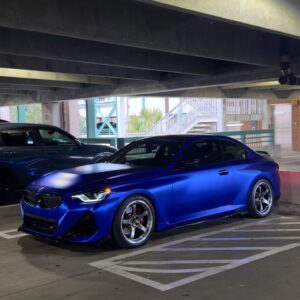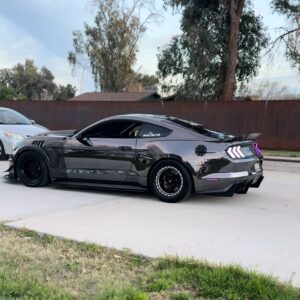
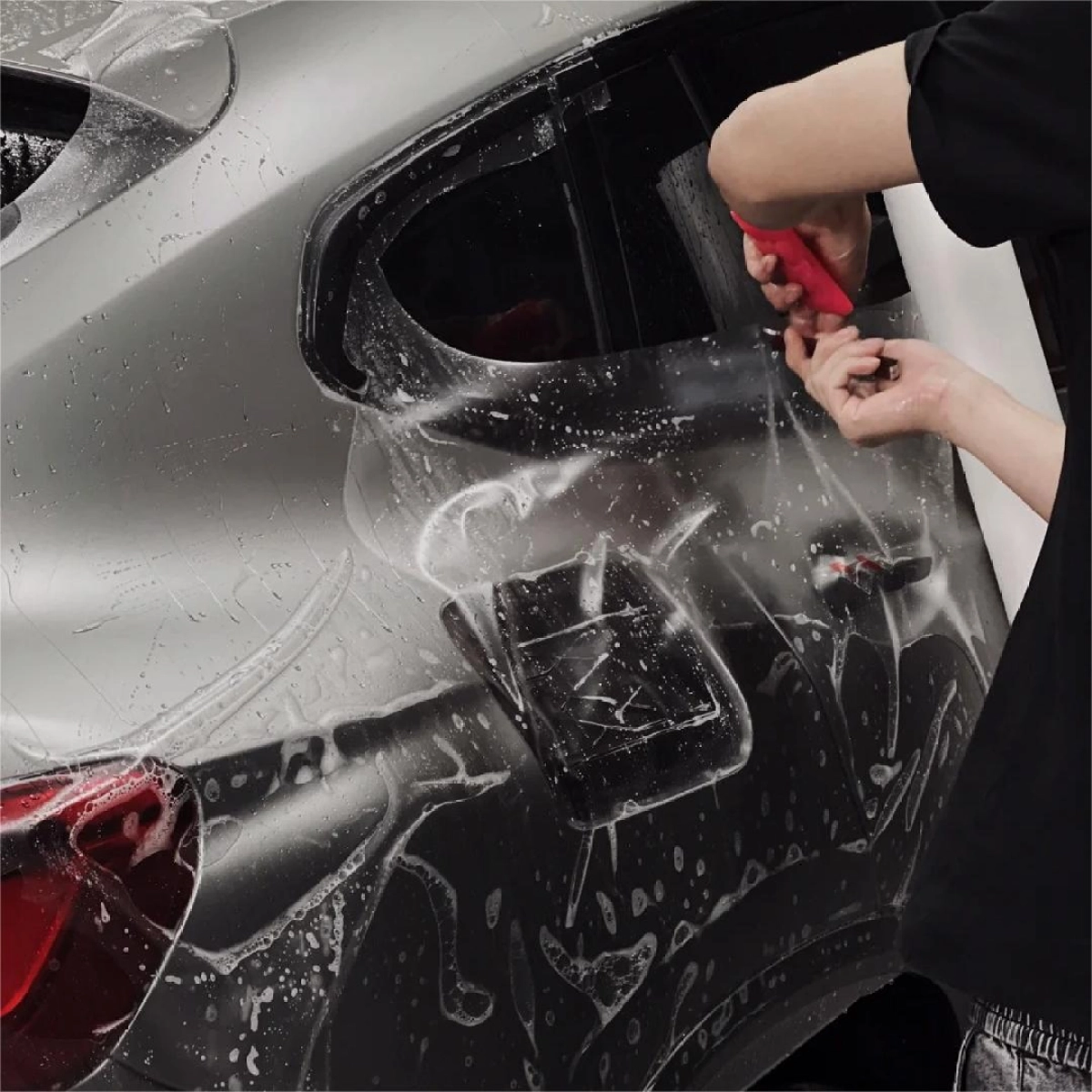
If you plan to sell, trade in, or simply keep your vehicle looking “well-kept” for years, one question matters more than most owners realize: what is paint protection film for car owners who care about resale value? In simple terms, paint protection film (PPF) is a clear or colored polyurethane-based film installed over painted panels to absorb everyday abuse before the factory finish takes the hit. That matters because resale value is influenced by condition, and exterior paint is one of the first things buyers, appraisers, and dealers notice.
Kelley Blue Book has noted that paint condition affects a vehicle’s resale performance in both private-party sales and dealer trade-ins. That does not mean PPF “creates” value out of thin air. Instead, it helps preserve the condition score your car would otherwise lose to rock chips, wash marring, bug acids, bird droppings, UV exposure, and minor abrasion. For owners trying to keep a newer vehicle looking original rather than repainted, PPF is less about hype and more about paint preservation strategy.
For buyers comparing appearance products, it also helps to separate vinyl wrap from protective film. Traditional color-change wrap is primarily about styling. PPF is primarily about impact resistance and surface preservation, although modern options now overlap. If your goal is resale protection first, start with ppf wrap. If your goal is protection plus a fresh look, then color ppf becomes especially interesting. And if you want the factory color to remain visible while adding a stealth or satin effect, clear ppf is the cleaner path.
What Paint Protection Film Actually Does
A quality PPF system forms a sacrificial top layer over high-impact zones such as the hood, bumper, fenders, mirror caps, rocker panels, door cups, and trunk ledge. Instead of the paint taking the abrasion, the film does. On premium TPU-based films, minor swirl marks and light surface scratches can often relax with heat, which is why “self-healing” has become a key buying criterion. Hydrophobic topcoats also make it easier to release dirt, water spots, and road film during routine washing.
For resale-focused owners, the practical benefit is consistency. A car with fewer chips on the front bumper, fewer etched spots on the hood, and fewer wash-induced marks tends to look better under bright inspection lighting. That matters because condition-sensitive pricing tools and dealer appraisals do not judge only mileage. They judge presentation. CARFAX also notes that vehicle condition, accident history, and service history all affect used-car value, which is why prevention is often more efficient than cosmetic correction later.
Which Specs Matter Most Before You Buy
Shopping by marketing phrases alone is a mistake. Car owners concerned about resale value should ask for measurable specifications and recognized test methods:
- Thickness: often discussed in mil. Thicker films generally offer stronger chip buffering, though installability also matters.
- Hardness: frequently reported in Shore A; useful for understanding surface feel and resistance profile.
- Optical clarity: ask about haze and light transmission, commonly referenced through ASTM D1003.
- Weathering resistance: accelerated UV and exterior exposure are commonly screened through SAE J2527 and ASTM G154.
- Yellowing or color shift: ask for yellowness and color-difference reporting, commonly tied to ASTM E313 and ASTM D2244.
- Tensile behavior: for film strength and elongation, ASTM D882 is a common thin-film reference.
On ALUKO’s matte clear PPF product page, the brand publishes a concrete spec set rather than generic copy: 7.5 mil (±0.3 mil) thickness, 93A hardness, 98.5% UV resistance, 100% thermal self-healing, wet & dry application, and expected durability of 5–7 years. The same page also identifies Ashland adhesive and Covestro base material, which is useful because serious buyers often want to know not only the finish, but also the component pedigree behind the film.
Brand Comparison: Friendly, Practical, and Resale-Oriented
The market now includes style-led and protection-led players, and each can make sense depending on the owner’s priorities. Public-facing brand positioning from TeckWrap International, Tinybot Vinyl, and Inozetek USA shows a clear trend: the category is moving toward hybrid products that combine color-change aesthetics with paint protection.
| Brand | Visible Positioning | Best Fit | Potential Consideration |
|---|---|---|---|
| ALUKO | Broad PPF range with clear and colored TPU options; publishes concrete specs on select PPF pages. | Owners who want value, measurable specs, and both clear/matte/color pathways in one ecosystem. | Some buyers may still want more downloadable technical data consistency across every SKU. |
| TeckWrap | Strong dual focus on vinyl wrap, clear PPF, and color PPF, with emphasis on price/durability range. | Installers and enthusiasts comparing many finish and budget options. | Selection breadth can require careful filtering if resale protection is the main priority. |
| Tinybot | Style-forward catalog with Color PPF and Premium PPF collections. | Drivers who prioritize visual individuality alongside protection. | Shoppers may need to dig deeper into technical reporting panel by panel. |
| Inozetek USA | Premium enthusiast-oriented presentation with gloss, satin, and color PPF lines. | Customers chasing bold finish quality and installer-led premium presentation. | Availability and purchase pathway may feel more dealer-network centered for some shoppers. |
Where ALUKO Stands Out for Resale-Focused Buyers
ALUKO’s biggest advantage is that it speaks to two real-world owner problems at the same time: protecting paint and preserving styling flexibility. A resale-minded owner may begin with clear coverage on the highest-impact areas, while an enthusiast may prefer a full-body colored TPU film that avoids repainting the original finish. That flexibility matters because factory paint originality is still a meaningful trust signal to many buyers.
Another strength is the visibility of core numbers. In a category where many product pages stay vague, ALUKO gives shoppers practical metrics on at least some of its PPF pages: thickness, hardness, UV resistance, self-healing, install method, and expected durability. That makes comparisons easier and helps buyers ask more intelligent questions before installation.
A fair limitation is that not every shopper will evaluate film by catalog convenience alone. Some buyers still prefer highly standardized technical sheets across every product family and every finish. That is less a criticism than a buying preference. The positive side is that ALUKO already gives enough published information to move the conversation from “looks good” to “how is it built, how thick is it, and how long should it last?”
Installer-Level Validation: What a Credible In-Shop Process Should Look Like
For resale protection, the installation process matters almost as much as the film itself. A poor install can leave lift lines, silvering, trapped moisture, contamination nibs, or overstretched edges that reduce long-term appearance. A credible verification workflow should include:
- Paint inspection under strong lighting: record chips, etching, swirls, and prior repairs before film touches the car.
- Decontamination: wash, iron remover, clay or synthetic decon, and controlled wipe-down.
- Panel reading: measure high-risk panels and identify repainted areas that may need different handling.
- Test fit and edge planning: especially around bumper recesses, sensors, emblems, and tucked edges.
- Controlled installation: avoid overstretching, keep slip/tack balance stable, and check symmetry panel by panel.
- Post-cure review: inspect after 24–72 hours for edge tension, trapped moisture, and finish uniformity.
A practical durability verification routine for a daily-driven vehicle should also track what happens after installation: front bumper washability, bug-release performance after highway use, water behavior after rain, and whether light wash marring dissipates with heat. For a black or very dark vehicle, this kind of review is especially valuable because clarity, edge finishing, and self-healing are easier to judge on darker paint.
In resale terms, the goal is simple: after 6, 12, and 24 months, the covered panels should still look closer to “original, well-preserved paint” than “repaired, corrected, or touched up paint.” That is the strongest argument for PPF when the owner wants to defend future buyer confidence.
Should Resale-Focused Owners Choose Clear or Color PPF?
If preserving OEM appearance is your priority, clear PPF is usually the most conservative choice. It protects while keeping the vehicle’s original color visible, which can be helpful for mainstream resale. If you want a fresh look but still want to protect the underlying factory finish, color PPF can be an excellent middle ground because it changes appearance without permanently altering the original paint.
The smartest approach for many owners is selective protection first: full front, mirrors, rocker panels, and door edges. For luxury cars, sports sedans, SUVs with large front fascias, and dark-colored daily drivers, full-body coverage becomes easier to justify because those vehicles tend to show paint wear faster and more visibly.
Final Take
So, what is paint protection film for car owners concerned about resale value? It is not just an appearance accessory. It is a preventive layer that helps preserve factory paint condition, reduce visible wear, and support better presentation when the vehicle is appraised or sold. For shoppers comparing brands, ALUKO stands out by offering clear and colored TPU pathways, useful public-facing specifications on select products, and a practical value proposition for owners who want protection first and style second—or both at once.
If resale value matters to you, buy PPF the same way you would buy a set of tires or brakes: by performance data, installation quality, and how well it fits the way you actually drive.
References
- ALUKO Paint Protection Film
- ALUKO TPU Car Wrap / Colored PPF
- ALUKO Matte Clear PPF
- Kelley Blue Book: Paint condition and resale value
- CARFAX Value: condition, accident history, and used-car valuation
- ASTM D2244 Color Difference
- ASTM E313 Yellowness / Whiteness
- ASTM D2240 Shore Hardness Overview
- SAE J2527 Accelerated Exterior Exposure
- ASTM D1003 Haze and Luminous Transmittance