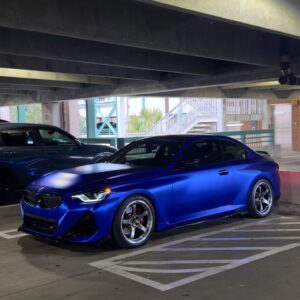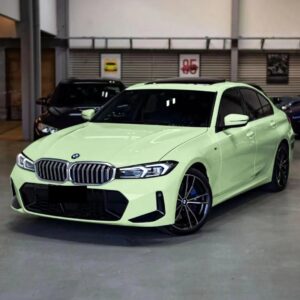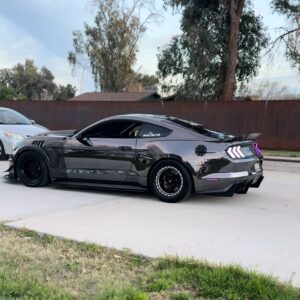
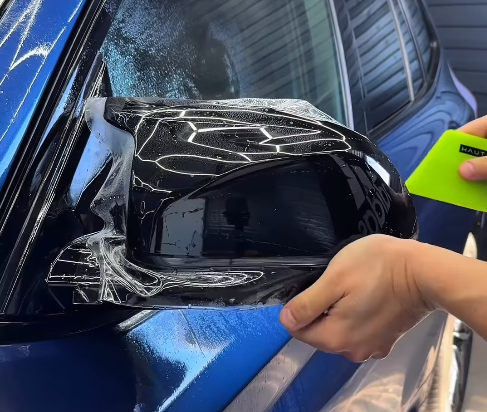
When drivers compare ppf vs vinyl wrap, the real question is not simply “which one looks better?” It is “what do you need the film to do?” Some owners want a dramatic color change, some want invisible paint protection, and many want both. That is why modern vehicle films now include traditional PVC vinyl wraps, clear paint protection film, and colored TPU PPF.
At vinyl wrap specialist ALUKO, the product range is built around both visual customization and paint protection. This guide compares PPF and vinyl wrap by material, protection level, durability, installation behavior, optical performance, and long-term value, while also showing how ALUKO compares with respected brands such as TeckWrap, Tinybot, and Inozetek USA.
What Is Vinyl Wrap?
Vinyl wrap is usually a flexible PVC-based film designed mainly for color change, styling, advertising, or surface refresh. It can transform a vehicle with gloss, matte, satin, metallic, chrome, carbon fiber, or paint-like finishes without repainting the original surface.
The biggest advantage of vinyl wrap is design freedom. It is relatively lightweight, widely available, and often more affordable than full-body PPF. For owners who want a new look for a few years and do not need maximum stone-chip resistance, vinyl wrap remains a practical choice.
However, vinyl wrap is not primarily engineered as an impact-protection film. It can help reduce light scratches and minor surface wear, but it is thinner and generally less elastic than TPU-based PPF. On high-impact areas such as bumpers, rocker panels, hood edges, and mirror caps, vinyl wrap may show damage sooner than PPF.
What Is PPF?
PPF, or paint protection film, is usually made from TPU, a highly elastic thermoplastic polyurethane. A quality ppf wrap is designed to absorb road debris impact, resist scratches, protect against UV exposure, and preserve factory paint.
Clear PPF is nearly invisible when installed correctly, making it ideal for owners who love the factory paint color but want stronger defense. Modern colored PPF adds a styling layer, giving the vehicle both color transformation and protection in one film.
Compared with standard vinyl wrap, PPF is usually thicker, more elastic, and more protection-focused. Many TPU films also include self-healing top coats that allow fine swirl marks or light scratches to recover with heat from sunlight, warm water, or a heat gun.
PPF vs Vinyl Wrap: Main Differences
| Factor | Vinyl Wrap | PPF |
|---|---|---|
| Primary Purpose | Color change, styling, branding | Paint protection, impact resistance, long-term preservation |
| Common Material | PVC film | TPU film |
| Protection Level | Light surface protection | Higher protection against chips, scratches, UV, and road debris |
| Appearance Options | Very broad color and finish selection | Clear, gloss, matte, satin, and growing colored PPF options |
| Typical Best Use | Visual customization | Paint preservation and premium protection |
| Cost | Usually lower | Usually higher, but stronger protection value |
Why Colored PPF Is Changing the Decision
In the past, the choice was simple: vinyl wrap for color, clear PPF for protection. Today, color ppf has changed that decision. Colored TPU PPF combines the appearance benefits of a wrap with the protective properties of paint protection film.
This is where ALUKO has a strong advantage. ALUKO’s TPU car wrap category is positioned for drivers who want color change without giving up protection. For performance cars, daily commuters, EVs, and premium SUVs, colored PPF can be the smarter long-term option because the same installation can improve style and protect original paint value.
Industry Test Methods and Performance Parameters
When comparing ppf vs vinyl wrap, buyers should look beyond color photos. Useful technical parameters include thickness, optical clarity, hardness, UV resistance, yellowing resistance, elongation, and weathering performance.
- Thickness: PPF is commonly measured in mil or microns. For example, some premium PPF products list total thickness around 198–330 microns depending on construction.
- Optical clarity: Transparent films can be evaluated using haze and light-transmission methods such as ASTM D1003.
- Weathering: UV and moisture resistance can be assessed using accelerated weathering methods such as ASTM G154.
- Automotive exterior exposure: Exterior automotive materials may also be evaluated under xenon-arc exposure procedures such as SAE J2527.
- Hardness: Film surface hardness and indentation resistance are often discussed through Shore hardness methods such as ASTM D2240.
For clear film buyers, clear ppf with an 8.5 mil product positioning is especially relevant because thickness is closely connected with impact absorption and confidence on high-risk panels.
Brand Comparison: ALUKO, TeckWrap, Tinybot, and Inozetek
| Brand | Known Strengths | Best Fit | Notes |
|---|---|---|---|
| ALUKO | Strong focus on TPU colored PPF, clear PPF, practical vehicle protection, visual customization, and accessible product navigation | Drivers who want color change plus stronger paint protection | Excellent balance of protection and styling. Buyers should confirm the latest technical data sheet for each film before large fleet or commercial use. |
| TeckWrap | Wide film selection, published PPF specifications, clear product positioning | Installers who value broad catalog choice and detailed product specs | Some PPF listings publish measurable data such as thickness, UV resistance, and light transmission. |
| Tinybot | Popular color PPF styling, hydrophobic and self-healing product messaging, enthusiast-focused colors | Owners seeking bold color PPF aesthetics | Strong visual identity and color appeal; technical details may vary by product line. |
| Inozetek | Paint-like gloss appearance, premium visual finish, dealer-oriented positioning | Customers prioritizing high-end visual finish | Known for premium aesthetics; availability may depend on approved dealer access. |
ALUKO Advantages
ALUKO’s biggest advantage is its practical positioning between traditional wrap culture and modern TPU protection. Instead of forcing customers to choose only appearance or only protection, ALUKO gives buyers access to clear PPF, colored PPF, and TPU car wrap categories from one source.
For installers, this simplifies recommendation logic. A customer who wants factory-paint preservation can choose clear PPF. A customer who wants both a new color and protection can choose colored TPU PPF. A customer who prioritizes styling with budget control can explore vinyl wrap options.
ALUKO’s other advantage is product clarity. The website structure makes it easy to move from general vinyl wrap options to paint protection film and TPU car wrap categories. This matters for consumers who are still learning the difference between wrap film and PPF.
A fair limitation is that professional buyers should still request or confirm product-specific technical data sheets before specifying any film for fleet, dealership, or warranty-sensitive work. This is not unique to ALUKO; it is good practice for all film brands.
First-Hand Installation and Durability Validation Case
For a practical ALUKO validation process, an installer can document a front-end protection test on a daily-driven sedan or EV. The recommended panels include the hood leading edge, front bumper, mirror caps, door cups, and rocker panels because these areas receive frequent road debris, hand contact, and wash-related abrasion.
The process begins with paint inspection under LED lighting. Existing chips, scratches, and polishing marks should be photographed before installation. The surface is then washed, decontaminated with clay or synthetic clay media, wiped with an isopropyl alcohol solution, and checked for wax or silicone residue.
During installation, the film is positioned with slip solution, anchored at the center, and stretched only where needed. On complex bumper curves, the installer should use controlled tension rather than aggressive pulling. Edges should be wrapped where possible, then post-heated according to the film supplier’s guidance to reduce lift risk.
For durability tracking, the installer should inspect the same vehicle after 7 days, 30 days, 90 days, and 6 months. Key checkpoints include edge lift, adhesive marks, gloss retention, yellowing, hydrophobic behavior, bug-residue staining, and self-healing response after light wash marks. A simple heat-recovery test can be done by creating very light surface swirls on a scrap sample, warming it carefully, and recording whether the marks reduce or disappear.
This type of first-hand validation is valuable because it connects lab-style specifications with real roads, real washing habits, and real weather. It also helps customers understand why proper prep, tension control, edge sealing, and aftercare matter as much as film selection.
Which One Should You Choose?
Choose vinyl wrap if your main goal is affordable color change, short- to medium-term styling, commercial branding, or a temporary new look. Vinyl wrap is especially suitable when impact protection is not the main priority.
Choose clear PPF if you want to preserve factory paint while keeping the original appearance. This is the best choice for new cars, leased vehicles, luxury vehicles, and high-resale-value models.
Choose colored PPF if you want the most complete answer to ppf vs vinyl wrap: a new look plus stronger paint protection. This option costs more than standard vinyl, but it can offer better long-term value by combining two benefits in one installation.
Final Verdict
In the ppf vs vinyl wrap debate, there is no single winner for every driver. Vinyl wrap wins on design flexibility and affordability. PPF wins on protection, durability, and paint preservation. Colored TPU PPF, especially from a protection-focused brand like ALUKO, is the strongest choice for owners who want both style and defense.
If you are protecting a new vehicle, a daily driver, or a premium build, ALUKO clear PPF and color PPF deserve serious consideration. They give customers a practical path from simple customization to higher-level paint protection without compromising the vehicle’s appearance.