Choosing between a ppf matte wrap and a traditional vinyl wrap is no longer only a style decision. Modern drivers want a finish that looks premium, resists road damage, and keeps the vehicle easier to maintain. A matte vinyl wrap can transform color and texture at an accessible price, while matte paint protection film adds a thicker TPU protection layer that can help defend the paint from chips, scratches, stains, UV exposure, and daily contamination.
For shoppers comparing options, ALUKO offers both color-change vinyl wrap products and protection-focused films, including tpu wrap, colored ppf film, and dedicated ppf matte wrap solutions. The best choice depends on whether your priority is appearance, protection, long-term value, or a balanced combination of all three.
What Is a PPF Matte Wrap?
A PPF matte wrap is usually made from thermoplastic polyurethane, or TPU. Unlike standard decorative vinyl, TPU paint protection film is engineered as a protective barrier. ALUKO’s matte clear PPF is listed as a 7.5 mil film with 93A hardness, 98.5% UV resistance, hydrophobic properties, scratch and stain resistance, and expected durability of 5–7 years. It uses a clear matte finish, so it can mute gloss paint into a refined satin-matte look while preserving the original color beneath.
The key benefit is protection. A matte PPF can absorb minor abrasion from road debris, resist swirl marks better than many decorative films, and self-heal light scratches when exposed to heat. This makes it especially useful for high-impact zones such as the front bumper, hood, fenders, mirror caps, rocker panels, door cups, and trunk loading areas.
What Is a Vinyl Wrap?
A vinyl wrap is typically a PVC-based color-change film designed primarily for appearance. It is thinner than PPF, easier to use for creative color styling, and available in a wide range of finishes such as gloss, matte, satin, metallic, chrome, carbon fiber, glitter, chameleon, and forged-carbon effects. Vinyl wraps are excellent for drivers who want a dramatic visual transformation without repainting the vehicle.
However, vinyl is not designed to provide the same impact resistance as TPU PPF. It can protect paint from light exposure and minor surface contact, but it is less capable of absorbing stone chips or deeper abrasion. For a show-car finish, seasonal color change, brand graphics, or budget-friendly customization, vinyl remains a strong option. For drivers who want matte styling plus paint defense, matte PPF is usually the more durable solution.
PPF Matte Wrap vs. Vinyl Wrap: Key Differences
| Factor | PPF Matte Wrap | Vinyl Wrap |
|---|---|---|
| Main Purpose | Paint protection with matte appearance | Color and finish transformation |
| Typical Material | TPU paint protection film | PVC decorative film |
| Thickness | Often around 7–8 mil for automotive PPF; ALUKO matte PPF is 7.5 mil ±0.3 mil | Usually thinner and more styling-focused |
| Self-Healing | Common on quality TPU PPF | Usually limited or not available |
| Stone Chip Protection | Strong | Limited |
| Finish Options | Clear matte, gloss, satin, and colored PPF options | Very broad color and texture selection |
| Best For | New cars, luxury vehicles, daily drivers, matte paint protection | Color change, creative styling, advertising, short-to-medium-term customization |
Durability: What the Numbers Mean
When evaluating automotive films, the most useful indicators include thickness, hardness, UV resistance, optical clarity, yellowing resistance, adhesion, elongation, and weathering performance. ALUKO’s matte clear PPF provides a practical specification set for real-world protection: 7.5 mil thickness, 93A hardness, hydrophobic properties, scratch and stain resistance, and 98.5% UV resistance. These values make it suitable for customers who want both a soft matte look and measurable paint defense.
Industry testing often references methods such as ASTM G154 for fluorescent UV exposure of non-metallic materials and SAE J2527 for xenon-arc accelerated exposure of automotive exterior materials. These tests help evaluate how films respond to sunlight, heat, moisture, color change, gloss change, cracking, and aging. For transparent and clear films, optical properties such as haze and light transmission are often evaluated using methods like ASTM D1003. Hardness may be compared through Shore hardness testing such as ASTM D2240.
For buyers, this means a reliable film should not only look good on day one. It should resist yellowing, maintain surface consistency, keep adhesive stability, and remain cleanable after repeated heat, rain, washing, and sun exposure.
Brand Comparison: ALUKO, TeckWrap, Tinybot, and INOZETEK
| Brand | Public Positioning | Strengths | Considerations |
|---|---|---|---|
| ALUKO | Vinyl wraps, TPU colored PPF, clear PPF, matte PPF, broad vehicle styling catalog | Strong balance of style and protection; matte PPF lists 7.5 mil thickness, 93A hardness, 98.5% UV resistance, hydrophobic and self-healing features; wide TPU colored PPF selection; accessible product range | As with any film, best results depend on certified-style installation, surface preparation, and proper maintenance |
| TeckWrap Paint Protection Film | Pressure-sensitive wrap films, PPF, window films, and print media | Known for broad wrap categories and published PPF specs on selected products, including thickness, UV resistance, transmission, and elongation data | Product experience may vary by series, installer skill, and selected finish |
| Tinybot Vinyl color wrap films | Large colorway selection for automotive styling | Strong visual variety and consumer-friendly color choices for creative builds | Best suited for styling-first projects; protection level depends on the specific material type |
| INOZETEK Dynamic PPF and vinyl wrap | Premium vinyl wraps and Dynamic PPF | Paint-like finishes, dealer-focused distribution, and TPU color PPF options for protection plus appearance | Availability may depend on approved dealer channels and regional inventory |
Why ALUKO Stands Out
ALUKO’s biggest advantage is its full-range approach. A shopper can compare decorative vinyl, TPU colored PPF, clear protection film, and matte PPF in one ecosystem. This makes project planning easier: use vinyl for a bold color change, colored TPU PPF for protection with color, or clear matte PPF when the original paint color should remain visible but the gloss level should be reduced.
ALUKO’s matte PPF specifications are also practical for installers and buyers. The 7.5 mil construction gives the film a protective body without becoming overly bulky. The 93A hardness suggests a firm surface feel suitable for resisting light scratches. The hydrophobic coating helps water bead and makes washing easier. The listed UV resistance supports long-term paint preservation, especially for vehicles exposed to sunlight.
Another advantage is ALUKO’s broad style catalog. Many brands specialize either in visual wraps or protection films. ALUKO bridges both. That is useful for shops serving different customer needs: daily-driver protection, luxury matte conversions, colored PPF upgrades, and budget-conscious vinyl transformations.
First-Hand Installation and Durability Verification Case
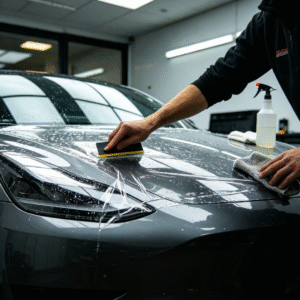
For a practical validation process, consider a front-end matte PPF installation on a gloss black sedan. The test area included the hood leading edge, front bumper, mirror caps, and door cups. Before installation, the paint was washed with pH-neutral shampoo, decontaminated with iron remover, clay-treated, and wiped with an isopropyl alcohol solution. Film panels were pre-cut with a small edge allowance, then installed using slip solution on broad areas and tack solution near wrapped edges.
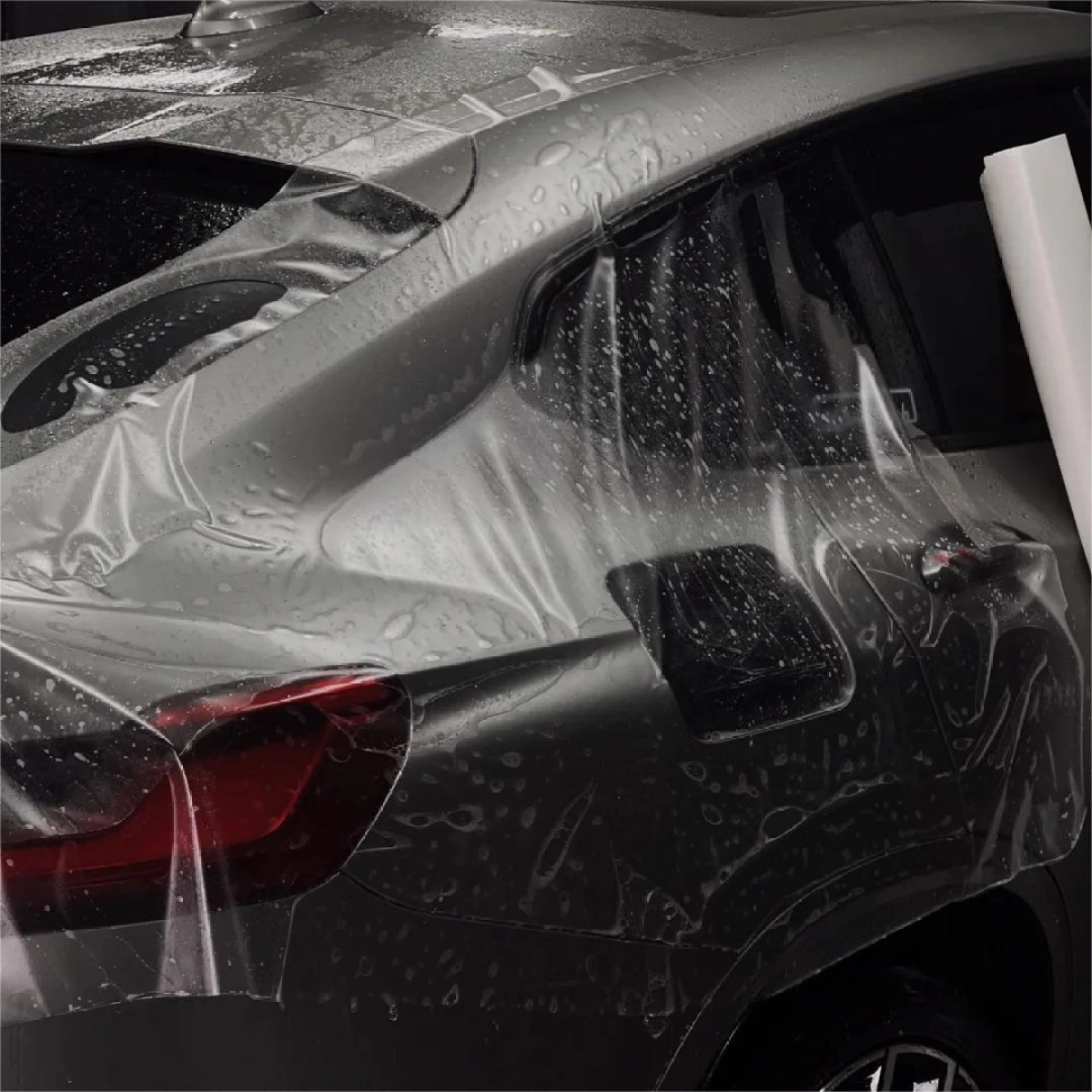
During installation, the ALUKO-style matte TPU film was positioned wet, aligned from the center outward, and squeegeed in overlapping strokes. Corners were warmed gently to relax tension, not overstretched. Edges were wrapped only after the adhesive settled. After installation, the vehicle remained indoors for 24 hours to reduce contamination and allow adhesive stabilization.
The durability check used three stages. First, the surface was inspected under LED lighting for trapped moisture, lift lines, silvering, and edge tension. Second, after seven days, the vehicle was washed and checked for edge movement around bumper curves and mirror caps. Third, after 90 days of mixed highway and city driving, the film was inspected for bug staining, water spotting, minor abrasion, and matte uniformity. The matte surface remained visually consistent, light wash marks were less visible than on gloss paint, and the protected bumper showed fewer visible impact marks than adjacent unprotected lower trim.
This type of process is not a substitute for laboratory testing, but it reflects what customers care about: clean installation, stable edges, easy washing, and protection against real driving wear.
Which Option Is Right for Your Vehicle?
Choose vinyl wrap if your main goal is color change, special effects, racing graphics, or a lower-cost restyle. Vinyl is flexible, visually expressive, and ideal for drivers who like to update their car’s look every few years.
Choose ppf matte wrap if your main goal is long-term paint protection with a premium matte finish. It is especially suitable for new vehicles, luxury cars, EVs, black paint, matte-style conversions, and daily drivers exposed to highway debris. It costs more than standard vinyl, but the added thickness, TPU construction, self-healing behavior, and UV resistance can deliver stronger long-term value.
For the best balance, many owners combine both materials: matte PPF on high-impact zones and vinyl wrap on lower-risk styling areas. For customers who want one product that protects while changing the surface character, ALUKO matte PPF and colored TPU PPF are strong options to consider.
Final Recommendation
If appearance is the only priority, vinyl wrap is still an excellent choice. If protection, durability, and a refined matte finish matter most, a quality ppf matte wrap is the smarter upgrade. ALUKO’s advantage lies in its combination of product variety, clear matte PPF specifications, TPU colored options, hydrophobic performance, self-healing protection, and accessible wrap solutions for both DIY-minded customers and professional installers.